









What's Happening?
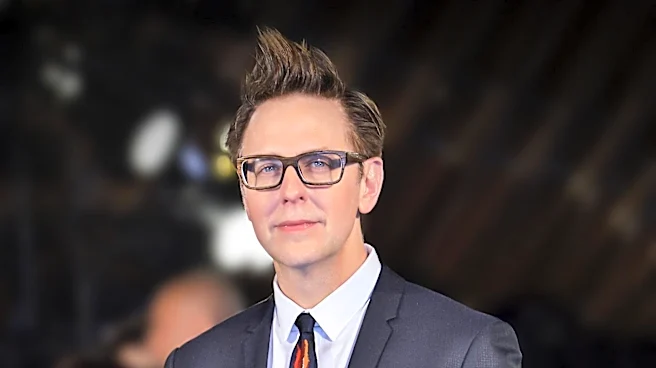
James Gunn, co-CEO of DC Studios, has addressed fan speculation regarding the direction of the new DC Universe (DCU), asserting that he is not attempting to replicate the Marvel Cinematic Universe (MCU) model. Gunn clarified his vision on Threads, stating
that while the DCU will feature interconnected stories and characters, the primary focus is on ensuring each individual film and television project stands strong on its own merits. He specifically mentioned that projects like 'Clayface' are intended to be enjoyable horror movies in themselves, rather than solely serving as setup for future crossovers. This approach aims to prioritize the quality and integrity of each narrative, even as a broader shared universe is being constructed.
Why It's Important?
James Gunn's clarification on the DCU's strategic direction holds significant importance for the U.S. entertainment industry, particularly for the superhero film genre. By emphasizing standalone quality over a strict MCU-style interconnectedness, Gunn is signaling a potential shift in how shared cinematic universes are conceived and executed. This approach could alleviate 'superhero fatigue' among audiences by offering diverse storytelling experiences that don't require extensive prior knowledge of the universe. For Warner Bros. Discovery, this strategy aims to build a sustainable and critically acclaimed franchise, differentiating it from its main competitor. It also impacts creators, encouraging them to focus on compelling individual narratives rather than being constrained by overarching continuity demands. The success of this model could influence future franchise development across Hollywood, potentially leading to more varied and less formulaic cinematic universes. Conversely, if not executed well, it could lead to a perception of a less cohesive universe, which might disappoint fans accustomed to intricate crossover events.
What's Next?
Following James Gunn's statements, the immediate next steps for the DCU will involve the continued production and release of projects under the 'Gods and Monsters' slate, such as 'Man of Tomorrow' and 'Clayface.' Audiences and critics will closely scrutinize these upcoming releases to see how well Gunn's vision of standalone quality within a shared universe is realized. Reactions from fans will be crucial, as they will determine whether this approach resonates with their expectations for superhero narratives. Industry observers will also be watching to see if this strategy translates into box office success and critical acclaim, which could validate Gunn's direction. Future announcements regarding casting, plot details, and release schedules will likely continue to reinforce this emphasis on individual story strength. The long-term success of the DCU will depend on its ability to consistently deliver compelling, self-contained stories that also contribute meaningfully to a larger, evolving narrative.
Beyond the Headlines
James Gunn's strategic pivot for the DCU, moving away from a direct MCU replication, carries deeper implications for the broader cultural landscape of serialized storytelling. This approach challenges the prevailing notion that every piece of a franchise must primarily serve a larger, interconnected narrative, a trend that has dominated blockbusters for over a decade. By prioritizing individual film quality, Gunn is implicitly advocating for a return to more self-contained artistic merit within commercial cinema. This could foster greater creative freedom for filmmakers and writers within the DCU, potentially leading to more diverse genres and tones within the superhero framework. Ethically, it addresses concerns about audience fatigue and the pressure on viewers to consume every single entry to understand the overarching plot. Culturally, it might signal a shift in audience expectations, encouraging appreciation for individual cinematic experiences rather than solely focusing on future setups. This could ultimately lead to a richer, more varied landscape of franchise filmmaking, where each story is valued for its intrinsic worth rather than just its role as a 'tile' in a larger mosaic.