


What's Happening?
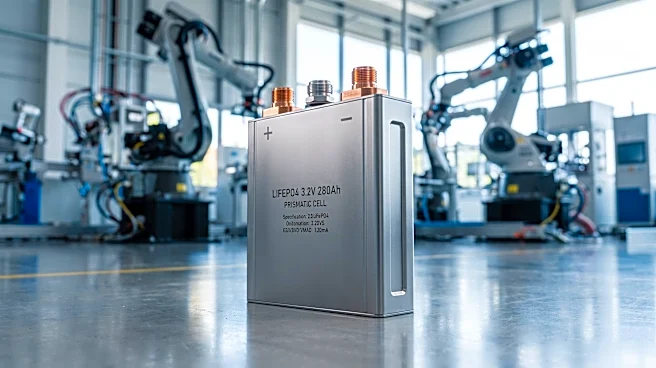
Ford has commenced shipping its first lithium iron phosphate (LFP) prismatic battery cells from its BlueOval Battery Park Michigan facility in Marshall, Michigan. These initial cells are destined for the Louisville Assembly Plant, where they will be used
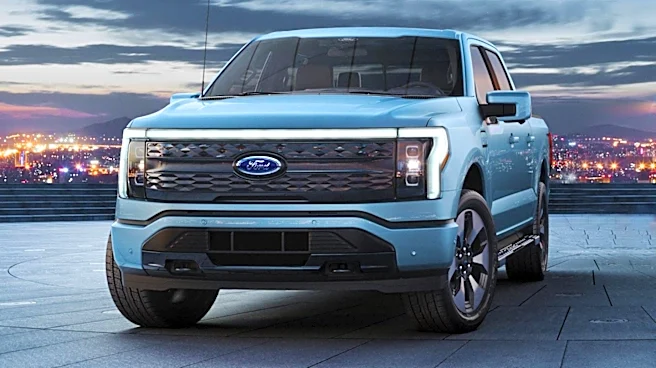
to power prototypes of the upcoming Ford Fathom electric pickup truck. This marks Ford's entry into the battery manufacturing business and positions it as the first company to deliver LFP batteries for mainstream consumer automotive use in the U.S. The Michigan plant's assembly lines are designed to produce forty cells per minute, making them among the fastest LFP prismatic battery assembly lines outside of China. This high production rate is intended to help reduce battery costs. The manufacturing process at the plant incorporates AI-powered image recognition and other advanced tools to detect defects. The LFP battery cell technology and manufacturing expertise are provided under license by China's Contemporary Amperex Technology Co. Limited (CATL), the world's largest lithium-ion battery manufacturer.
Why It's Important?
This development is significant for the U.S. electric vehicle (EV) market and Ford's strategic positioning. By producing LFP batteries domestically, Ford aims to support more affordable EVs, as LFP chemistry does not require nickel or cobalt, which are costly materials. This cost reduction could make EVs more accessible to a broader consumer base, accelerating EV adoption in the U.S. Furthermore, LFP cells are known for their durability over extended periods of charging and use, potentially enhancing the longevity and appeal of Ford's electric offerings. The collaboration with CATL, while a source of some controversy, provides Ford with established battery technology and manufacturing know-how, enabling quicker market entry and scaling of production. This move also strengthens Ford's supply chain independence and reduces reliance on foreign battery imports, contributing to domestic manufacturing capabilities in the critical EV sector.
What's Next?
The LFP battery cells shipped from the Michigan plant will be integrated into Ford Fathom prototypes at the Louisville Assembly Plant. The Ford Fathom truck, which will be built on Ford's Universal Electric Vehicle (UEV) platform, is slated for launch in the fourth quarter of 2027. As production scales, these domestically produced LFP batteries are expected to power a range of Ford's future electric vehicles, contributing to the company's broader EV strategy. The success of this battery production facility could influence future investment decisions by Ford and other automakers regarding domestic battery manufacturing. The ongoing technical collaboration with CATL will likely continue to be a focal point, particularly concerning geopolitical and supply chain considerations. Ford Energy's battery energy storage business in Kentucky is also expected to benefit from these LFP cells, indicating broader applications beyond automotive use.
Beyond the Headlines
Ford's venture into domestic LFP battery production, leveraging licensed technology from CATL, highlights the complex interplay between global supply chains, technological innovation, and national economic interests. While the move aims to bolster U.S. manufacturing and reduce EV costs, the reliance on Chinese intellectual property for a critical component like battery technology raises questions about long-term technological independence and potential geopolitical vulnerabilities. This strategy reflects a pragmatic approach by Ford to rapidly scale EV production and competitiveness, balancing the need for advanced technology with the desire for domestic manufacturing. The use of AI-powered image recognition in the production process also signals a broader trend towards advanced automation and quality control in manufacturing, which could set new industry standards. This initiative could also spur further debate on industrial policy, foreign partnerships, and the balance between cost efficiency and national security in critical emerging industries.