







What's Happening?
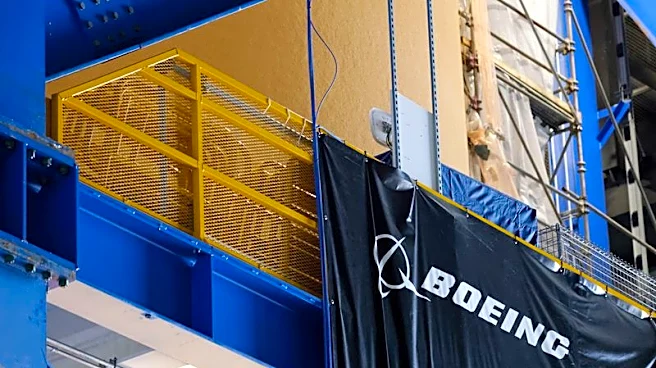
Boeing is actively recruiting a Mid-Level Quality Support Specialist in Wichita, Kansas, to bolster its quality team at Spirit AeroSystems, Inc., a wholly owned subsidiary. This role is critical for supporting Spirit's Commercial Business Units, which
design and build commercial aerostructures, including for Boeing Commercial Airplanes. The Quality Support Specialist (QSS) will serve as a key resource on the shop floor, directly supporting the 737 production system. Responsibilities include collaborating with quality teams, inspectors, engineering, and leadership to identify, communicate, and resolve quality-related issues, ensuring production flow, and maintaining compliance with product conformance and regulatory requirements. The QSS will also monitor quality metrics, facilitate root cause investigations, and support corrective and preventive actions.
Why It's Important?
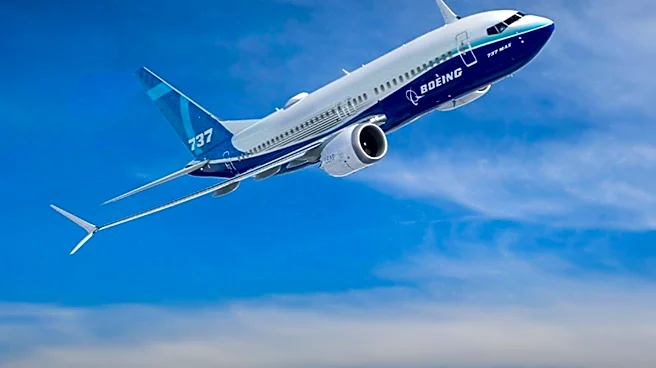
This hiring initiative underscores Boeing's commitment to addressing and improving quality control within its production lines, particularly for the 737 MAX, which has faced significant scrutiny. Enhancing quality support at Spirit AeroSystems is vital, as Spirit produces core components like fuselages, pylons, nacelles, and wing components for Boeing. Strengthening quality assurance at this critical juncture can help prevent future production delays, reduce defects, and ensure the safety and reliability of Boeing's aircraft. For the U.S. aerospace manufacturing sector, this role signifies a continued investment in skilled labor and quality processes, which are essential for maintaining global competitiveness and upholding industry standards. The focus on quality directly impacts customer confidence and the company's financial performance.
What's Next?
The successful integration of Mid-Level Quality Support Specialists will be crucial for Boeing and Spirit AeroSystems to achieve more stable and efficient 737 production. These specialists are expected to drive continuous improvement initiatives, reduce defects, and enhance process capability, ultimately contributing to a smoother manufacturing process. Their work will directly influence the timely delivery of aircraft and the overall quality of Boeing's products. The company will likely continue to invest in similar roles and quality improvement programs across its various production facilities to ensure adherence to stringent aerospace standards and to regain full operational efficiency and market trust. This role is union-represented, indicating a collaborative approach to quality improvement within the workforce.
Beyond the Headlines
The emphasis on quality support at the production level reflects a broader industry trend towards proactive quality management and risk mitigation in complex manufacturing environments. For Boeing, this is not merely about meeting regulatory requirements but about rebuilding its brand reputation and ensuring long-term sustainability. The role's focus on collaboration and problem-solving highlights the interconnectedness of various departments in achieving quality objectives, from engineering to production. This strategic hiring also points to the ongoing demand for specialized skills in aerospace manufacturing, emphasizing the importance of a skilled workforce in maintaining high standards in a highly regulated industry. The Kansas Aviation tax credit offered for joining Spirit AeroSystems' Kansas team further illustrates regional efforts to attract and retain talent in this critical sector.