




What's Happening?
The DoubleTree by Hilton Tokyo Ariake will be offering its 'Harvestory Afternoon Tea' from October 1 through November 30. This event is designed to celebrate the autumn season by incorporating seasonal flavors into both sweet and savory items. The name
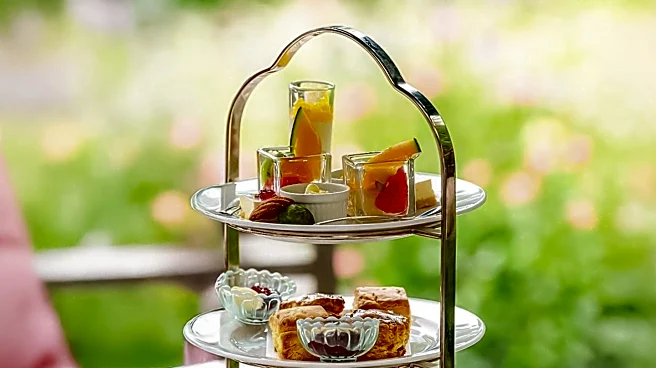
'Harvestory' is a portmanteau of 'harvest,' signifying the gathering of crops, and 'tree,' which is a symbol of DoubleTree by Hilton. The menu will feature a variety of autumn ingredients, including chestnuts, Shine Muscat grapes, figs, persimmons, pumpkin, Pacific saury, and mushrooms. Among the five sweet offerings are a marron tiramisu, which incorporates the hotel's signature chocolate chip cookie, a pumpkin pudding, and a Shine Muscat tart. The three savory items include a caprese salad with seasonal persimmons marinated in white balsamic vinegar and a quiche made with sautéed mushrooms and egg custard. Guests will also be served plain and Earl Grey scones with clotted cream and citrus jam, alongside a selection of Ronnefeldt tea, coffee, and juices. The afternoon tea will be held at SAUS on the first floor of the hotel, with service available from noon to 3 p.m. and a two-hour seating limit. Prices for the experience start from 4,200 yen per person, with an option to include a Charlie plush toy for 5,700 yen, inclusive of tax and service charge.
Why It's Important?
This event highlights the strategic use of seasonal and local ingredients in the hospitality sector to create unique culinary experiences. For the DoubleTree by Hilton Tokyo Ariake, the 'Harvestory Afternoon Tea' serves as a marketing initiative to attract both local residents and tourists by offering a themed dining experience that taps into cultural appreciation for seasonal harvests. The inclusion of specific Japanese ingredients like Shine Muscat grapes and Pacific saury, alongside more universally recognized autumn flavors such as pumpkin and chestnuts, caters to a diverse palate while emphasizing regional culinary traditions. Such themed events can boost hotel occupancy and restaurant patronage, contributing to the local economy. Furthermore, by associating the event with the hotel's brand identity through the 'Harvestory' name, it reinforces brand recognition and loyalty. The tiered pricing, including an option with a plush toy, demonstrates a strategy to appeal to different customer segments, potentially increasing overall revenue and engagement. This approach is crucial for hotels in competitive markets like Tokyo, where differentiation through unique offerings is key to sustained success.
What's Next?
Following the 'Harvestory Afternoon Tea,' the DoubleTree by Hilton Tokyo Ariake will likely evaluate the success of this seasonal offering based on customer feedback, reservation numbers, and revenue generated. This evaluation will inform future seasonal promotions and menu developments. The hotel may consider extending the duration of similar themed events or introducing new themes for subsequent seasons, such as winter or spring, to maintain customer interest and engagement. Given the emphasis on local and seasonal ingredients, the hotel will continue to forge relationships with local suppliers to ensure the availability of high-quality produce for future culinary endeavors. The success of this event could also influence other hotels and restaurants in the region to adopt similar strategies, leading to a broader trend of seasonal, locally-inspired dining experiences in Tokyo's hospitality industry. Additionally, the hotel might leverage the positive reception of the 'Harvestory Afternoon Tea' in its marketing campaigns to attract more international visitors, especially as travel resumes and tourists seek authentic cultural and culinary experiences.
Beyond the Headlines
The 'Harvestory Afternoon Tea' reflects a broader trend in the global hospitality industry towards experiential dining and the celebration of local culture and seasonality. This initiative by DoubleTree by Hilton Tokyo Ariake goes beyond merely offering food; it crafts an experience that connects guests with the natural rhythms of the region and the cultural significance of harvest. The careful selection of ingredients and the thematic presentation elevate a simple meal into a memorable event, appealing to consumers who increasingly seek authenticity and unique narratives in their dining choices. This trend also underscores a growing awareness of sustainability and the importance of supporting local agriculture, even if not explicitly stated. By highlighting seasonal produce, the hotel implicitly promotes the freshness and quality associated with locally sourced ingredients. Furthermore, the afternoon tea format itself, a tradition with European roots, is reinterpreted through a Japanese lens, showcasing a fusion of cultural influences that is characteristic of modern global cities. This blend of tradition and innovation in culinary offerings contributes to the rich tapestry of Tokyo's gastronomic landscape, offering a nuanced experience that caters to both local tastes and international expectations.