




What's Happening?
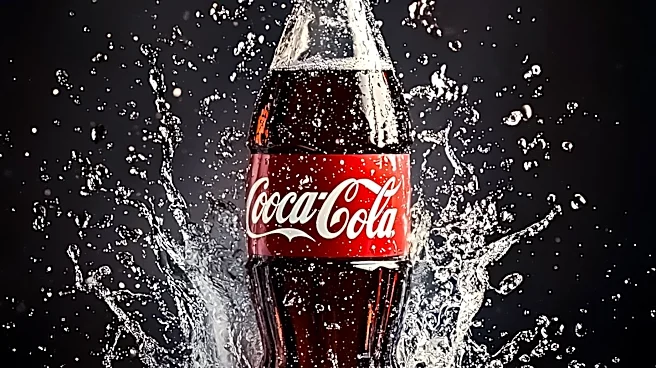
The Charleston Crab House on Market Street is set to receive a new Coca-Cola mural on its facade, making it the only location in South Carolina to participate in Coca-Cola's 'Paint the Nation' campaign. Restaurant owner Scott Larymore agreed to the beverage
company's proposal to use the prominent exterior wall facing the historic market as a canvas. The mural will integrate Coca-Cola's anniversary campaign with Charleston's Lowcountry culture, complementing the existing 'King of the Creek' mural on another wall of the building. The timing of this project coincides with the Crab House Market Street's 25th anniversary next year. Larymore plans to leverage the nostalgia associated with Coca-Cola by introducing Coca-Cola-inspired throwbacks, including classic Coke floats, retro menu items, and new apparel tied to the mural. The artwork, designed by local artist Allison Amory, co-owner of Girls Who Paint Murals, will incorporate Charleston landmarks such as the Ravenel Bridge, palmetto trees, magnolias, gas lanterns, a great blue heron, and historic homes along Rainbow Row, with Coca-Cola branding subtly integrated.
Why It's Important?
This initiative represents a significant marketing and tourism development for Charleston, South Carolina. By featuring the only Coca-Cola mural in the state as part of a national campaign, the Charleston Crab House will likely become a new landmark and photo opportunity for tourists, potentially increasing foot traffic and visibility for both the restaurant and the historic Market Street area. The integration of local Charleston landmarks within the mural design ensures that the artwork resonates with the city's unique cultural identity, fostering a sense of local pride while attracting visitors. For Coca-Cola, the 'Paint the Nation' campaign leverages local artistry and prominent locations to enhance brand presence and connect with communities on a more personal level. The timing with the restaurant's 25th anniversary creates a synergistic marketing opportunity, allowing the Charleston Crab House to celebrate its milestone with a fresh, engaging attraction that blends local heritage with a globally recognized brand. This collaboration highlights how national brands can engage with local businesses to create mutually beneficial promotional strategies.
What's Next?
The installation of the Coca-Cola mural is expected to proceed, with its completion likely coinciding with the Charleston Crab House Market Street's 25th anniversary next year. Following the mural's unveiling, the restaurant plans to roll out Coca-Cola-inspired menu items and apparel, aiming to capitalize on the increased visibility and nostalgic appeal. This could lead to a surge in customer interest and media attention for both the restaurant and the 'Paint the Nation' campaign. Other local businesses in Charleston might observe the success of this initiative and explore similar collaborations with national brands to enhance their own visibility and tourist appeal. The mural's presence could also contribute to the ongoing revitalization and cultural enrichment of the Market Street area, potentially inspiring more public art projects. The collaboration between a local artist and a global brand could also set a precedent for future artistic and commercial partnerships in the region.
Beyond the Headlines
Beyond its immediate commercial and tourism benefits, the Coca-Cola mural project in Charleston touches upon broader themes of urban aesthetics, cultural preservation, and corporate branding in public spaces. The decision to integrate local landmarks into the mural design reflects a growing trend of brands seeking to localize their marketing efforts, making them more relevant and appealing to specific communities. This approach can foster a sense of authenticity and connection, contrasting with more generic advertising. However, it also raises questions about the commercialization of public art and the balance between corporate interests and community identity. The mural's potential to become a popular photo spot highlights the increasing role of visual culture and social media in shaping urban experiences and tourism. Ethically, such collaborations require careful consideration to ensure that corporate branding enhances rather than detracts from the historical and cultural integrity of a location. The project could also spark discussions about the role of art in urban development and how it can be used to tell stories that blend local heritage with contemporary influences.