





What's Happening?
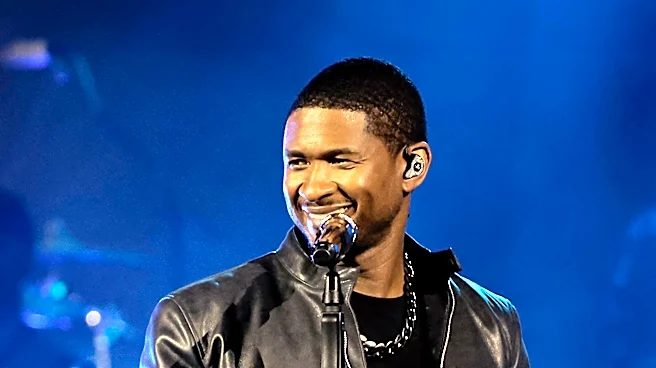
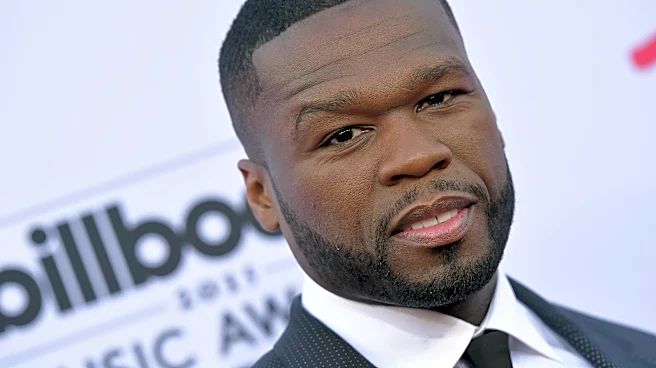
Rapper 50 Cent posted a birthday message to Sean 'Diddy' Combs on Instagram for his 57th birthday, which quickly garnered significant online attention and amusement from fans. The post featured a smiling photo of Diddy with the caption, 'Happy 57th B
Day, Diddy, wishing you many more, LOL.' This seemingly innocuous message was widely interpreted as a veiled jab, given the well-documented and long-standing rivalry between the two music moguls. Their 'beef' dates back to the mid-2000s, fueled by disputes over music, competing business interests, and numerous personal insults exchanged publicly. The tension between them has reportedly intensified following recent serious allegations against Diddy, with 50 Cent even producing a Netflix documentary focusing on the controversies surrounding his rival.
Why It's Important?
This incident highlights the enduring nature of celebrity rivalries in the entertainment industry and their significant impact on public discourse and social media engagement. The interaction between 50 Cent and Diddy, even in a seemingly benign birthday wish, demonstrates how personal histories and ongoing conflicts can shape public perception and media narratives. For fans, these public exchanges often serve as a form of entertainment, driving engagement and discussion across various platforms. For the artists involved, such interactions can maintain their relevance and public profile, albeit sometimes through controversial means. The 'LOL' in 50 Cent's message effectively transformed a standard greeting into a pointed commentary, showcasing the power of subtle communication in public relations and personal branding within the music industry.
Beyond the Headlines
The dynamic between 50 Cent and Diddy extends beyond mere personal animosity, touching upon broader themes within the music industry, including competition, brand management, and the use of media for strategic advantage. 50 Cent's consistent 'trolling' of Diddy, particularly in the context of recent allegations, raises questions about the role of public figures in commenting on legal and ethical issues involving their peers. This ongoing narrative also reflects how social media has become a primary battleground for celebrity feuds, allowing for direct, often unfiltered, communication that can quickly go viral. The public's fascination with such rivalries underscores a cultural appetite for drama and the blurring lines between personal lives and public personas in the age of digital media.