




What's Happening?
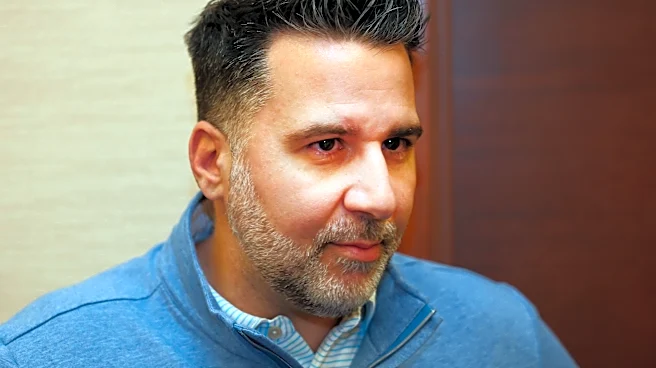
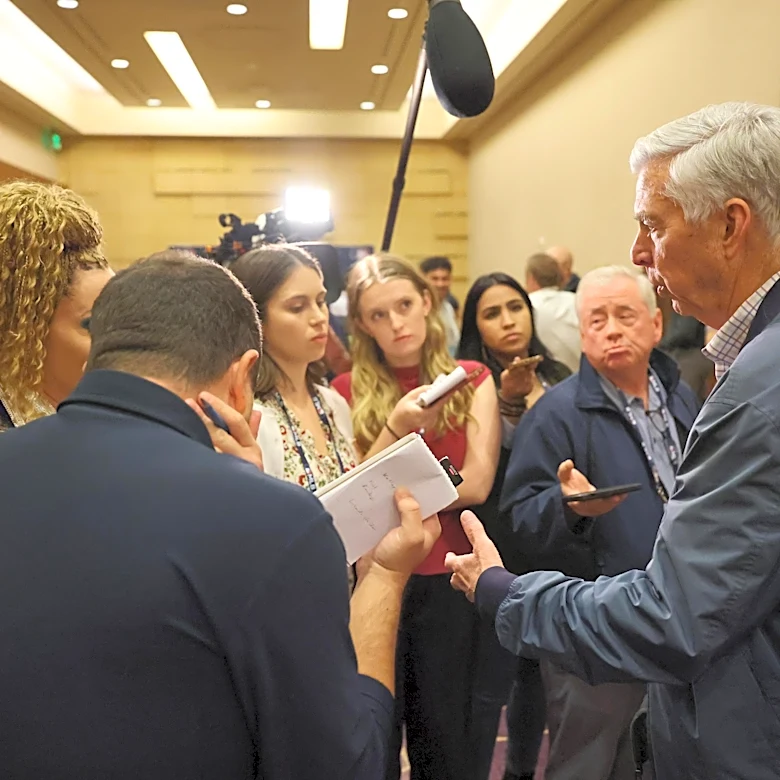
Bill Hornbuckle, CEO of MGM Resorts International, has voiced strong support for the Athletics' relocation to Las Vegas and the construction of their new $2.1 billion ballpark, slated to open in 2028. The 33,000-fan capacity stadium is being built on the former
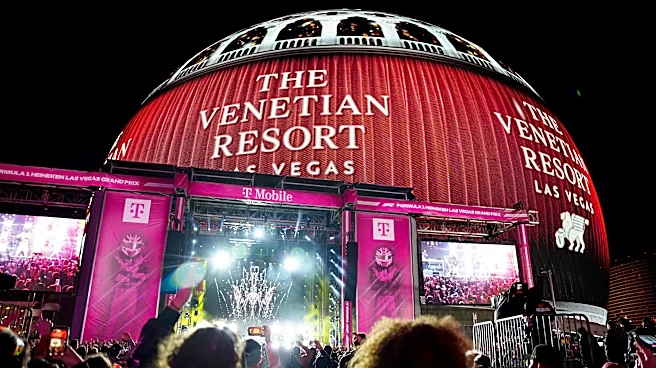
Tropicana site, adjacent to several MGM-operated resorts including Mandalay Bay, Luxor, Excalibur, and MGM Grand. Hornbuckle highlighted the positive impact the ballpark will have on Las Vegas's growing status as a major professional sports destination. The ballpark is currently over 50 percent complete, with an anticipated completion by the end of February 2028. Discussions are ongoing regarding a multi-level structure, including a plaza and parking garage, at the northwest corner of the property, which Bally's Corp. chairman Soo Kim has indicated his company will build. Hornbuckle emphasized that sports events in Las Vegas offer a multi-day experience for visitors, unlike the typical three-hour experience in other cities, contributing significantly to the city's tourism.
Why It's Important?
The development of the Athletics' ballpark is a significant economic and cultural milestone for Las Vegas, further solidifying its position as a premier sports and entertainment hub. For MGM Resorts, the proximity of the new stadium to its major properties is expected to drive increased tourism and revenue, as baseball fans will likely extend their visits to include stays at nearby resorts. This influx of visitors will benefit not only MGM but also the broader Las Vegas economy, including retail, dining, and other entertainment sectors. The project also underscores a broader trend of professional sports leagues recognizing Las Vegas as a viable and lucrative market, potentially paving the way for future expansions, such as an NBA team. The city's ability to transform a sports event into a multi-day experience differentiates it from other cities, enhancing its appeal to tourists and sports enthusiasts alike. This strategic integration of sports with the city's existing hospitality infrastructure creates a unique value proposition for both residents and visitors.
What's Next?
The construction of the Athletics' ballpark is progressing, with completion targeted for early 2028. A key immediate next step involves resolving the plans for the multi-level structure at the northwest corner of the property, which will be discussed at the upcoming December 3 meeting of the Las Vegas Stadium Authority. While Bally's Corp. has committed to building this structure, the Athletics have a contingency plan for a temporary ground-level plaza if needed. Beyond the stadium's completion, the focus will shift to the operational aspects of hosting a Major League Baseball team and integrating it into the city's existing sports and entertainment ecosystem. The success of this venture could further accelerate Las Vegas's pursuit of an NBA expansion team, potentially making it one of the few cities to host all four major men's professional sports leagues. The ongoing development will also involve Bally's Corp.'s multi-phase project to surround the ballpark with additional retail, entertainment, dining, and hotel facilities.
Beyond the Headlines
The Athletics' move to Las Vegas and the construction of their new ballpark represent more than just a new sports venue; they symbolize a profound transformation of the city's identity. Historically known for gambling and entertainment, Las Vegas is rapidly evolving into a major professional sports destination, diversifying its economic base and enhancing its global appeal. This shift has broader implications for urban development, as large-scale sports infrastructure projects often catalyze surrounding commercial and residential growth. The emphasis on creating a 'three-day experience' around sports events highlights a strategic approach to tourism, leveraging the city's unique hospitality offerings to maximize visitor engagement and spending. This model could influence how other cities approach integrating sports into their local economies. Furthermore, the collaboration between major entities like MGM Resorts, Bally's Corp., and the Athletics demonstrates the complex interplay of private and public interests in shaping urban landscapes and economic futures, raising questions about long-term sustainability and community impact.