





What's Happening?
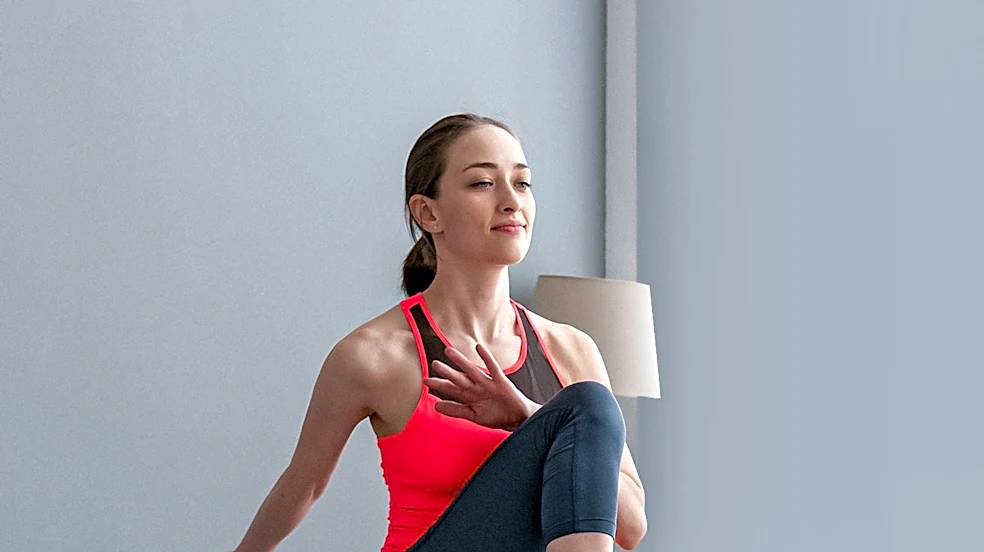
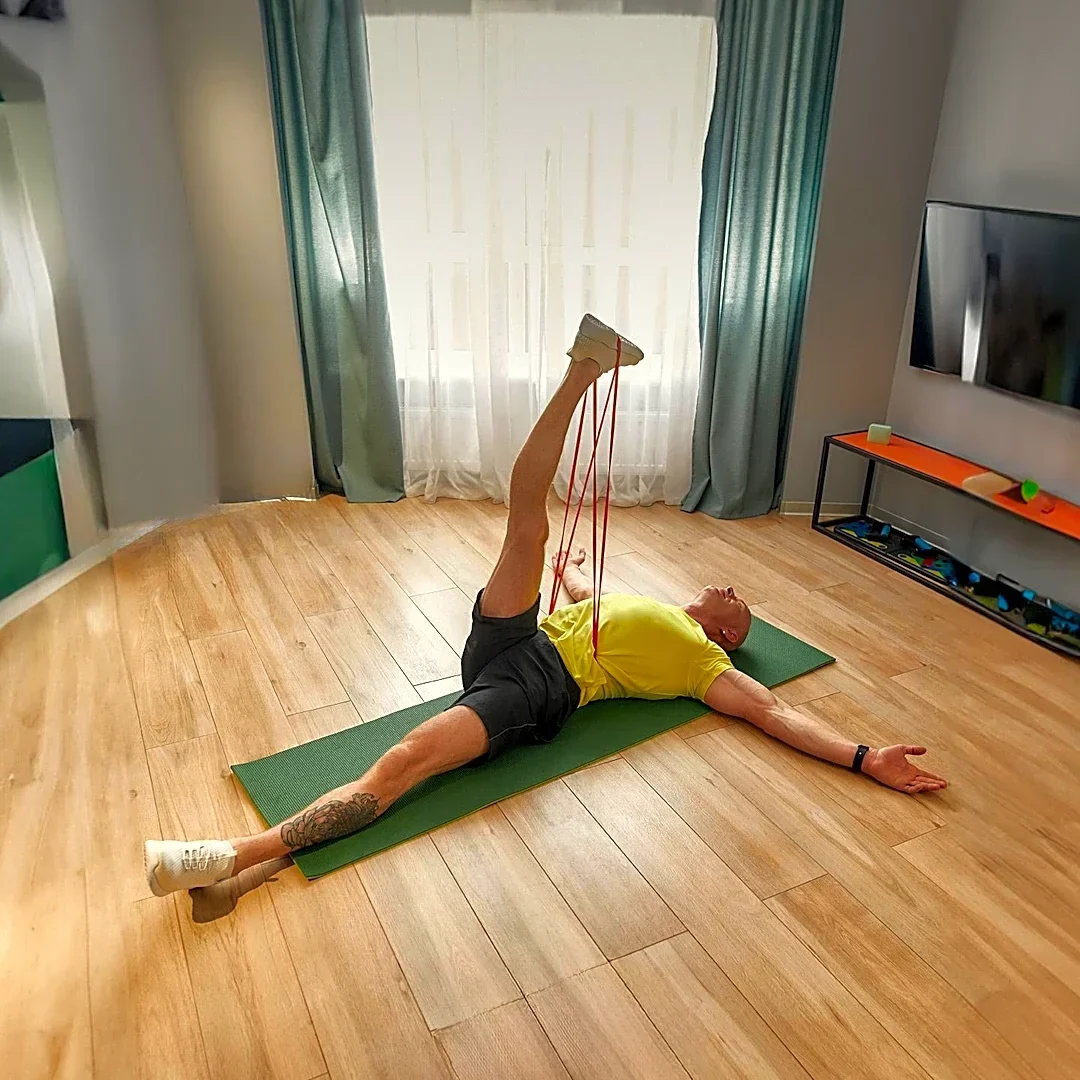
Various resources highlight the growing accessibility and diversity of home workout options, catering to different fitness levels and goals. A fitness app provides daily, no-equipment workouts with an AI coach, offering personalized programs for weight
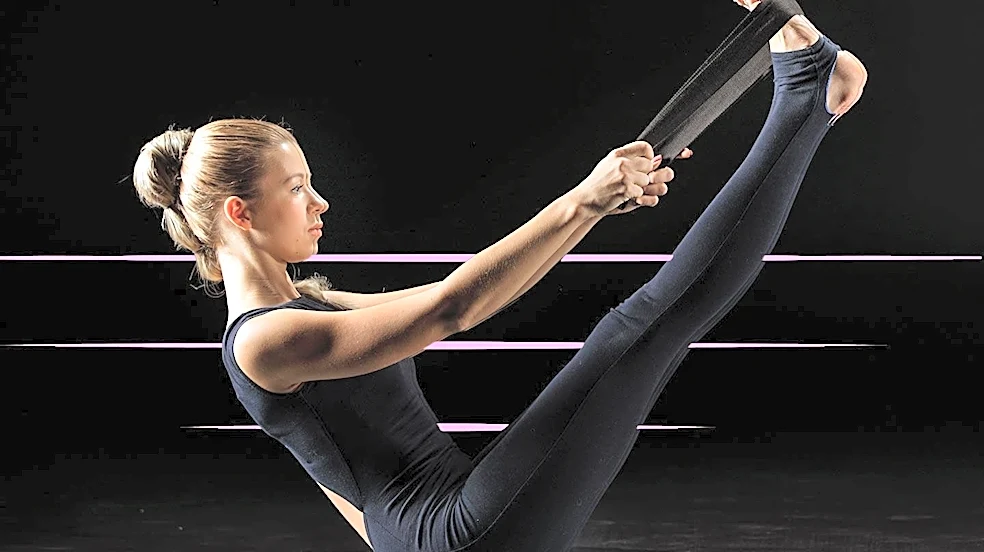
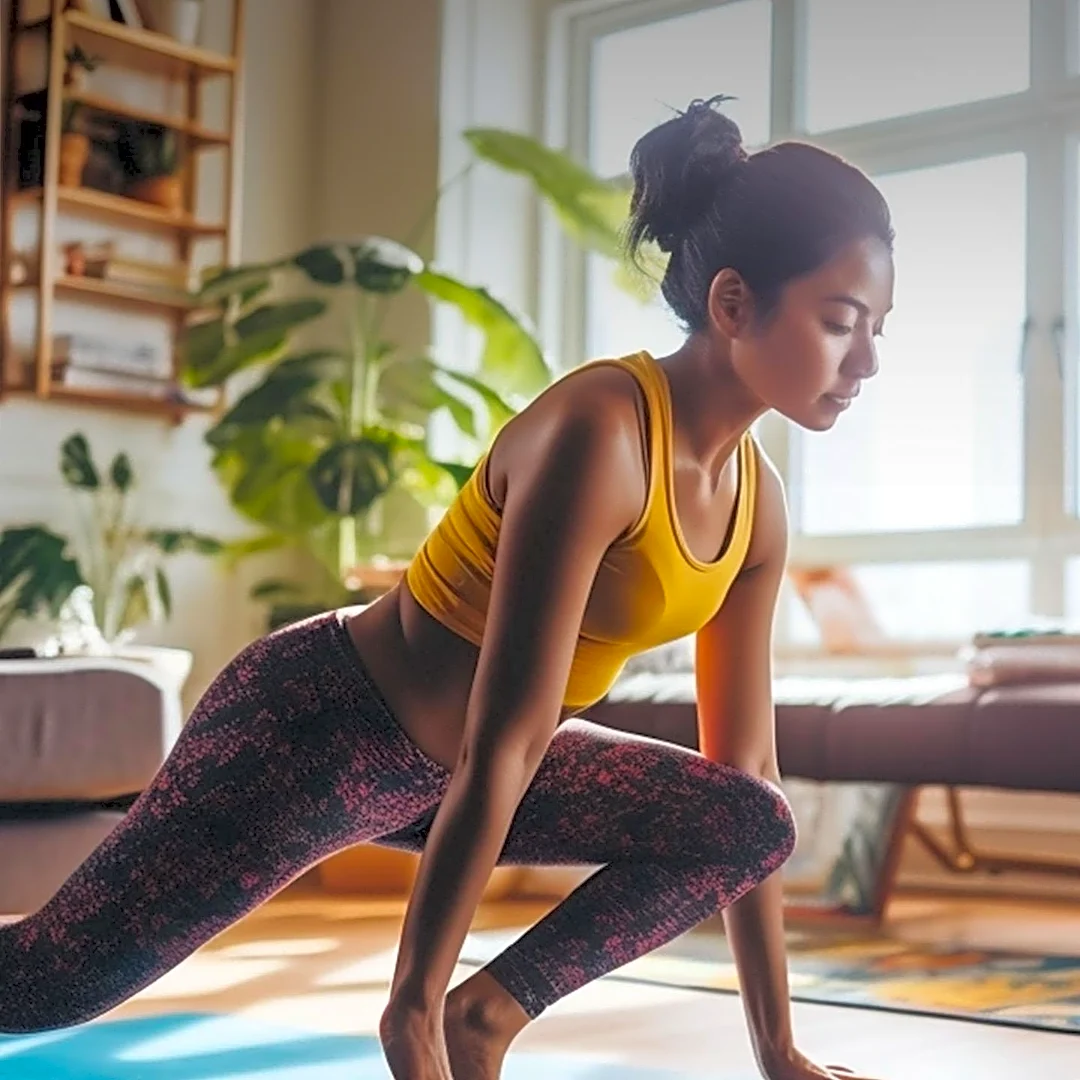
loss, toning, or muscle building, including trending options like wall Pilates. Another source details a 15-minute full-body Pilates workout suitable for home. Functional strength training, which focuses on movements that aid daily tasks, is also emphasized, with exercises like inchworms and hand-release push-ups recommended for at-home routines. These options underscore a shift towards convenient and adaptable fitness solutions that do not require gym memberships or specialized equipment, making physical activity more attainable for a broader population. The emphasis is on effective, time-efficient routines that can be integrated into daily life.
Why It's Important?
The rise of accessible home workout solutions is significant for public health and the fitness industry. For individuals, these options remove common barriers to exercise, such as cost, time constraints, and access to gyms, potentially leading to increased physical activity levels across the population. This can contribute to improved overall health outcomes, including better cardiovascular health, strength, and mobility. For the fitness industry, it signifies a continued evolution towards digital platforms and at-home equipment, challenging traditional gym models. Companies offering apps, online programs, and compact home fitness gear stand to benefit from this trend. The focus on functional strength training also highlights a growing awareness of the importance of fitness for daily living and aging independently, rather than solely for aesthetic purposes.
What's Next?
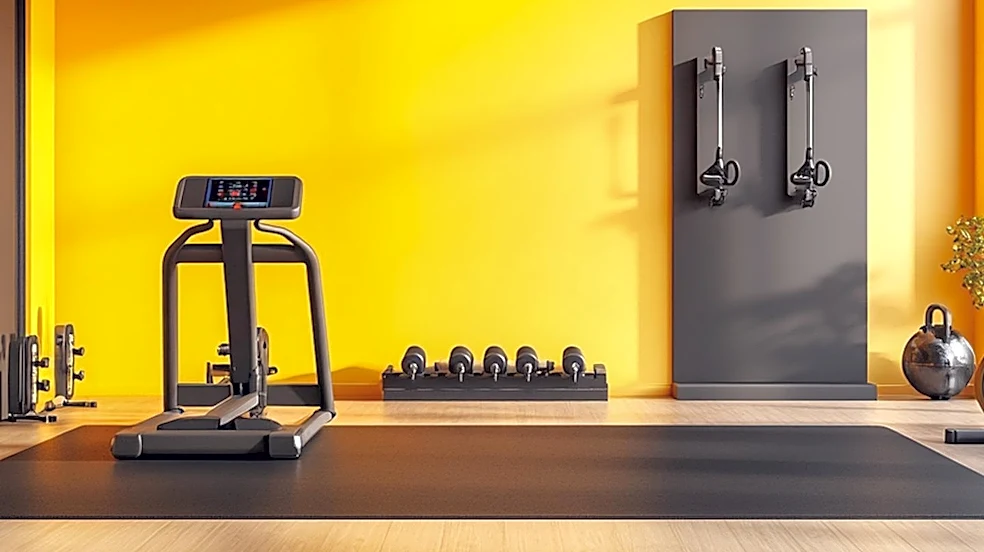
The trend towards home workouts is likely to continue evolving with further technological integration and personalized approaches. We can expect to see more sophisticated AI coaches offering real-time feedback and adaptive workout plans. The development of more versatile and compact home fitness equipment will also likely expand, catering to diverse needs and living spaces. Fitness platforms may increasingly incorporate elements of virtual reality or augmented reality to create more immersive home workout experiences. Additionally, as more people embrace home fitness, there could be a greater emphasis on community-building features within apps and online platforms, fostering motivation and accountability among users. The healthcare sector might also increasingly recommend and integrate these accessible home-based fitness solutions into preventative care and rehabilitation programs.
Beyond the Headlines
The proliferation of home workout options has deeper implications for lifestyle and societal norms around physical activity. It democratizes fitness, making it less exclusive and more integrated into everyday life, potentially reducing the perception that exercise requires significant time or financial investment. This shift could also influence urban planning and home design, with more consideration given to spaces conducive to at-home physical activity. On a broader scale, it challenges traditional notions of fitness as a communal, gym-centric activity, fostering a more individualized and self-directed approach. However, it also raises questions about potential isolation and the loss of social benefits associated with group fitness settings. The long-term impact on mental well-being, body image, and the balance between convenience and comprehensive fitness guidance will be areas to watch.