








What's Happening?
The World Cup has been plagued by 'ghost ticket' schemes, where fans purchase tickets from sellers who do not actually possess them, leading to fans being locked out of matches. This issue has affected numerous games, causing frustration and financial
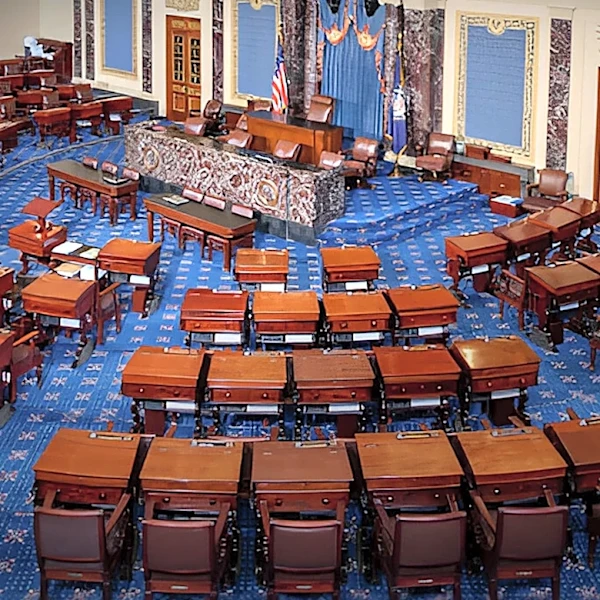
loss for attendees. In response, Congress is taking steps to address these fraudulent practices, although some experts warn that existing loopholes may hinder effective enforcement. The schemes have highlighted vulnerabilities in the ticketing system, prompting calls for stricter regulations and oversight to protect consumers.
Why It's Important?
The prevalence of ghost ticket schemes at high-profile events like the World Cup underscores the need for robust consumer protection measures in the ticketing industry. These fraudulent activities not only impact fans financially but also damage the reputation of event organizers and the overall experience of attending such events. The involvement of Congress indicates a growing recognition of the issue's severity and the need for legislative action. Addressing these schemes is crucial for maintaining consumer trust and ensuring fair access to major sporting events.
What's Next?
As Congress moves to crack down on ghost ticket schemes, potential legislative measures could include stricter penalties for fraudulent sellers and enhanced verification processes for ticket sales. Event organizers may also implement more secure ticketing technologies, such as blockchain, to prevent unauthorized sales. The effectiveness of these measures will depend on closing existing loopholes and ensuring comprehensive enforcement. Stakeholders, including consumer advocacy groups and industry leaders, are likely to play a role in shaping future regulations to protect fans and maintain the integrity of the ticketing system.