




What's Happening?
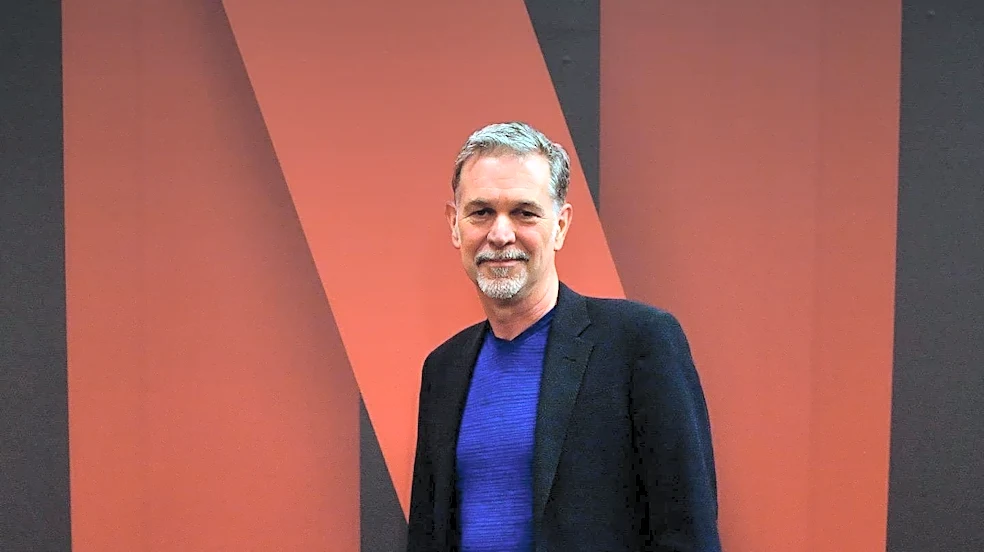
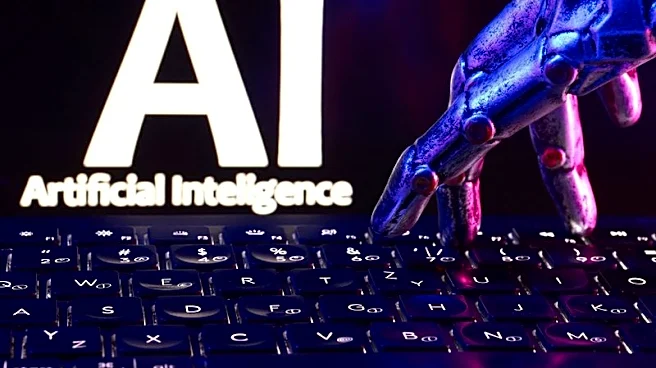
A Netflix senior director of production for Asia-Pacific, Sung Q Lee, disclosed that approximately 300 Netflix productions have already utilized artificial intelligence (AI) technology. This revelation was made at an industry panel during the Busan International
Film Festival. Lee indicated that AI is being employed across various stages of production, including pre-visualization, production design, set-dressing concepts, editing, and visual effects (VFX). The executive did not provide a specific list of titles that have incorporated AI. This announcement comes amidst growing concerns within the entertainment industry regarding the impact of AI on jobs and creative processes. Korean director Kang Yun-sung, also present at the event, supported the use of AI, citing significant cost reductions and streamlined production times for his upcoming AI-aided film, 'The Gulf Of Aden'.
Why It's Important?
This disclosure from a Netflix executive highlights the widespread and often unannounced integration of AI into mainstream entertainment production. It underscores a significant shift in how content is created, potentially impacting employment for various roles within the film and television industry, from concept artists to editors and VFX specialists. The cost-saving benefits touted by proponents like Kang Yun-sung could incentivize further adoption of AI, potentially leading to a reduction in human labor and a change in the creative landscape. Conversely, critics argue that this trend devalues human artistry and could lead to a homogenization of content. The debate also touches on consumer awareness, as viewers may be unknowingly consuming AI-generated content, raising questions about transparency and artistic integrity in the digital age.
What's Next?
The revelation of AI's extensive use in Netflix productions is likely to intensify discussions and debates within the entertainment industry, particularly among unions and guilds representing writers, actors, and technical crews. There may be increased calls for greater transparency from streaming platforms and production companies regarding their AI policies and the extent of AI integration in their projects. This could lead to new negotiations in collective bargaining agreements, focusing on protections for human jobs and fair compensation in an AI-driven production environment. Furthermore, the success or failure of AI-assisted films like 'The Gulf Of Aden' will likely influence future investment and adoption rates of AI technologies in filmmaking, potentially shaping industry standards and practices for years to come.
Beyond the Headlines
The integration of AI into content creation raises profound ethical and philosophical questions about authorship, creativity, and the future of human artistic expression. As AI tools become more sophisticated, the line between human-generated and machine-generated content blurs, challenging traditional notions of art and originality. There's a potential for a cultural divide, as suggested by the differing perspectives between Hollywood and some Asian markets regarding AI's acceptance. This could lead to varied regulatory approaches and industry standards globally. Moreover, the long-term impact on storytelling and narrative diversity remains to be seen; while AI can streamline production, concerns exist that over-reliance could lead to formulaic content, diminishing the unique human perspective that often drives compelling narratives.