



What's Happening?
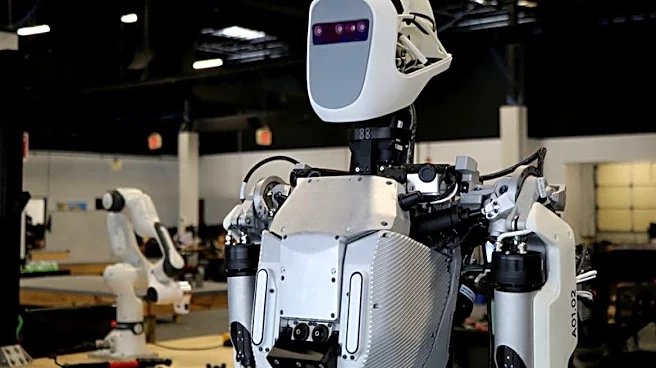
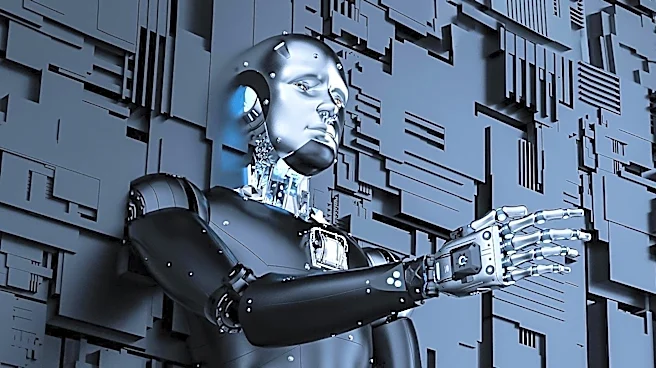
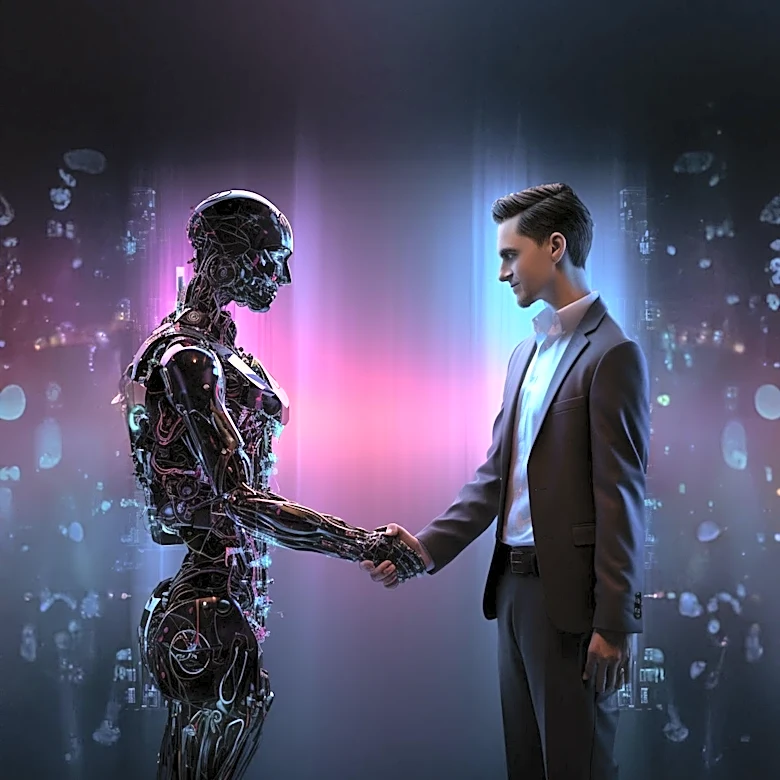
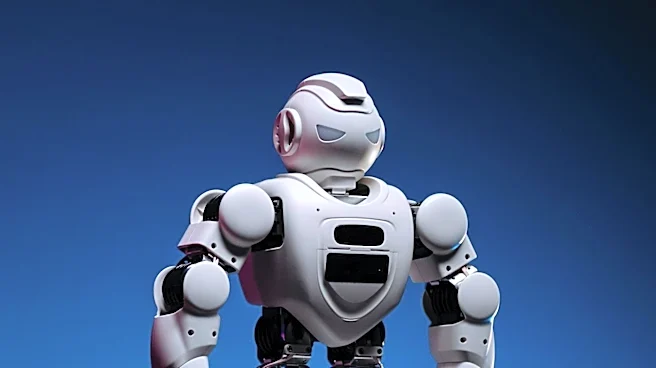
Realbotix, a company specializing in AI-powered humanoid robots, is developing robots designed to interact with people in various settings, including trade shows, museums, hospitals, and customer service roles. These robots, which can cost up to $125,000,
are equipped with advanced features such as facial tracking and conversational AI. However, during a test, the robots were found to struggle with natural human conversation and emotional awareness. Despite their lifelike appearance, the robots often had delayed responses and failed to recognize emotional expressions accurately. Realbotix acknowledges these limitations and continues to invest in research and development to improve their products.
Why It's Important?
The development of humanoid robots by Realbotix highlights the growing interest in using AI for customer engagement and public-facing roles. While these robots offer a novel approach to interaction, their current limitations in emotional awareness and conversational fluidity suggest that they are not yet ready to replace human interaction fully. This has implications for industries considering AI as a tool for enhancing customer experiences. The ability of these robots to engage humorously and switch languages indicates potential for future applications, but the need for further development underscores the challenges in achieving truly human-like AI interactions.
What's Next?
Realbotix plans to continue refining their humanoid robots, focusing on improving emotional recognition and conversational capabilities. As the company invests in research and development, future iterations of these robots may offer more seamless and natural interactions. Businesses interested in adopting AI for customer engagement will likely monitor these advancements closely, weighing the benefits of physical AI presence against current technological limitations. The evolution of these robots could influence how companies approach customer service and public interactions in the future.
Beyond the Headlines
The ethical and cultural implications of humanoid robots in public and private spaces are significant. As these robots become more integrated into daily life, questions about privacy, human-robot relationships, and the potential for AI to replace human jobs will become more pressing. The development of robots with human-like humor and conversational abilities also raises questions about the nature of human interaction and the role of technology in shaping social dynamics.