






What's Happening?
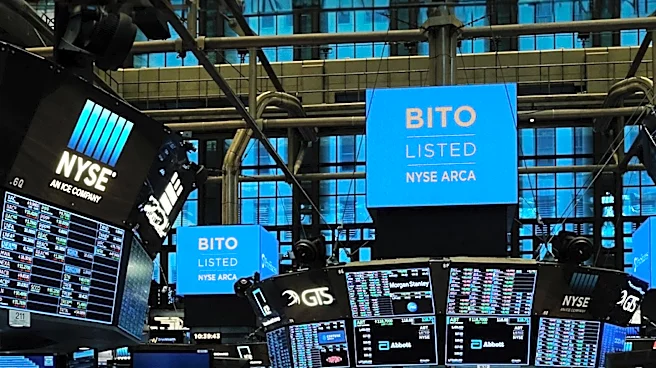
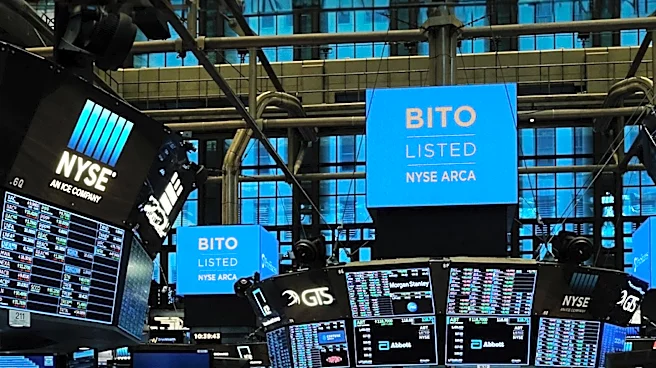
Quantum Space has successfully completed its SPAC merger and is preparing to begin trading on the New York Stock Exchange. The company, which focuses on space defense and orbital mobility, secured $300 million in new capital through two private investment
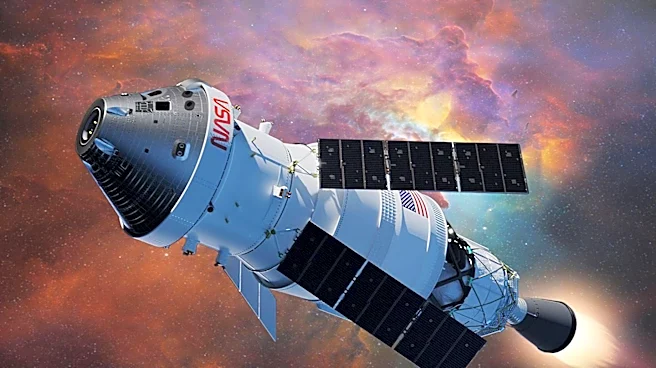
placements as part of the transaction. This investment values Quantum Space at $958 million. Quantum Space was co-founded by Kam Ghaffarian, who also founded Axiom Space and Intuitive Machines, and is led by former NASA Administrator Jim Bridenstine as CEO. The funds will be utilized to further develop its maneuverable spacecraft, Scout and Ranger, which are designed for rapid deployment and enhanced orbital capabilities.
Why It's Important?
This merger and significant capital injection are crucial for Quantum Space's mission to advance space mobility, which is deemed essential for U.S. national security and leadership in space. As space becomes an increasingly contested domain, the ability to maneuver, reposition, and extend missions in orbit is critical for maintaining strategic advantage. The development of advanced spacecraft like Scout and Ranger will provide the U.S. with enhanced capabilities for space domain awareness and defense. Furthermore, Quantum Space has already secured key contracts, including an 'Andromeda' contract from the Space Force for Geosynchronous Reconnaissance & Surveillance Constellation satellites and a role in NASA’s Moon Base development awards to provide an orbital transfer vehicle. These contracts underscore the strategic importance of Quantum Space's technologies for both military and civilian space initiatives.
What's Next?
With the new capital, Quantum Space will accelerate the development and deployment of its Scout and Ranger spacecraft. The company's focus on maneuverable spacecraft suggests a future where orbital assets can dynamically adapt to changing mission requirements and threats. The ongoing contracts with the Space Force and NASA indicate a clear path for Quantum Space to integrate its technologies into critical U.S. space infrastructure. The successful trading on the New York Stock Exchange will also provide Quantum Space with greater visibility and access to future capital markets, potentially fueling further innovation and expansion in the space defense and orbital mobility sectors. The company's continued collaboration with government agencies will likely solidify its position as a key player in the evolving space landscape.
Beyond the Headlines
The successful SPAC merger and substantial investment in Quantum Space highlight a broader trend of increasing private sector involvement in national security and strategic space capabilities. This shift could lead to faster innovation cycles and more agile development of critical technologies compared to traditional government procurement processes. However, it also raises questions about the balance between commercial interests and national security objectives, and the potential for increased competition in the space domain. The emphasis on 'space mobility' and 'contested domain' signals a growing recognition of space as a theater for geopolitical competition, necessitating robust defense and operational flexibility. This development could also influence international norms and treaties regarding the peaceful use of outer space, as advanced maneuverability capabilities could be perceived differently by various global actors.