




What's Happening?
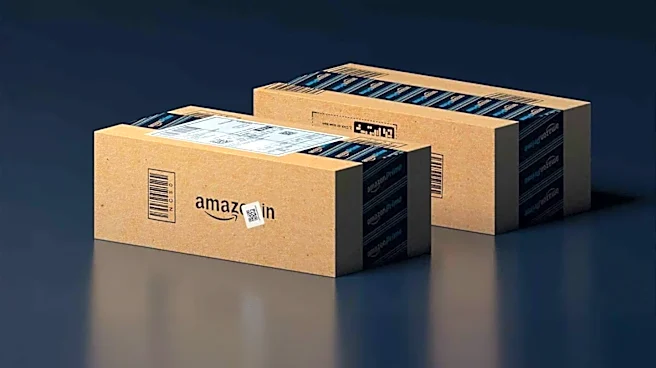
Amazon is currently piloting a new grocery delivery subscription service for its Prime members in three U.S. cities: Denver, Colorado; Sacramento, California; and Columbus, Ohio. For a monthly fee of $9.99, Prime members in these areas can receive unlimited
grocery deliveries on orders exceeding $35 from both Whole Foods and Amazon Fresh. The subscription also includes unlimited 30-minute grocery pickup for orders of any size. This initiative is part of Amazon's ongoing efforts to refine its grocery offerings and enhance the shopping experience for its customers. This new subscription comes after Amazon previously adjusted its free delivery thresholds for Amazon Fresh, raising it to $150 in February due to inflation and high delivery costs, then lowering it to $100 in early October. Additionally, Amazon recently made its Amazon Fresh delivery and pickup services available to all customers, not just Prime members, as part of its strategy to build a leading grocery shopping experience.
Why It's Important?
This new subscription model signifies Amazon's continued strategic investment in the competitive online grocery market. By offering a dedicated grocery delivery subscription, Amazon aims to increase customer loyalty and frequency of orders among its Prime members, potentially solidifying its position against traditional grocery chains and other online delivery services. The move could also provide a more predictable revenue stream for Amazon's grocery division. For consumers, especially those who frequently order groceries online, the $9.99 monthly fee could offer significant savings compared to per-delivery charges, making Amazon Fresh and Whole Foods more attractive options. However, it also adds another layer of subscription cost for Prime members who already pay $14.99 per month or $139 annually for other benefits. The success of this pilot program could influence Amazon's broader strategy for grocery delivery across the U.S., potentially leading to wider rollout or further adjustments to its pricing and service models.
What's Next?
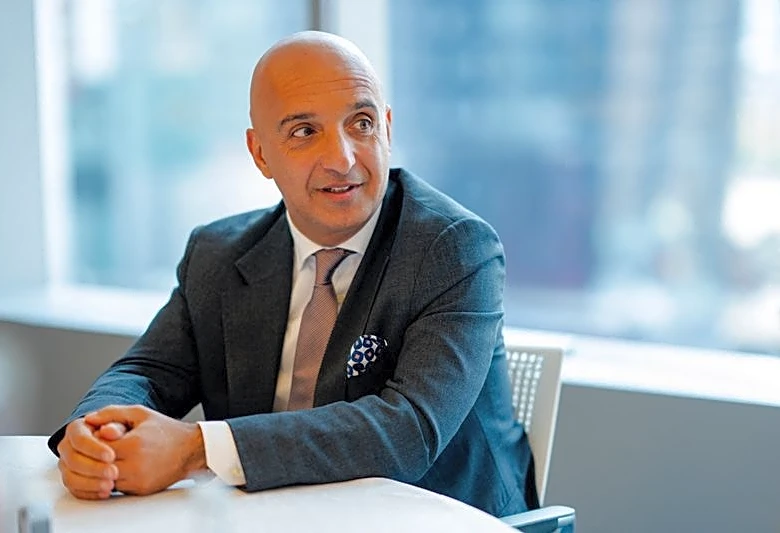
Amazon will be closely monitoring the response from members participating in the pilot program in Denver, Sacramento, and Columbus. Feedback from these initial markets will be crucial in determining the future of the grocery delivery subscription. Depending on the success and customer adoption rates, Amazon may decide to expand the service to more cities across the U.S. or modify the subscription terms. The company's Senior Vice President of Worldwide Grocery Stores, Tony Hoggett, indicated that Amazon is 'always experimenting with features to make shopping easier, faster and more affordable,' suggesting that further iterations and adjustments to their grocery services are likely. Competitors in the online grocery space will also be watching closely, as a successful rollout could prompt similar subscription offerings from other retailers, intensifying the competition for online grocery market share.
Beyond the Headlines
This pilot program highlights a broader trend in the retail industry towards subscription-based services, even for everyday necessities like groceries. It reflects Amazon's continuous effort to integrate its various services and create a more comprehensive ecosystem for its Prime members. The move could also be seen as an attempt to address the challenges of profitability in online grocery delivery, where 'last-mile' costs are notoriously high. By bundling delivery into a subscription, Amazon might be aiming to normalize these costs and encourage larger, more frequent orders. Furthermore, the shift to making Amazon Fresh available to non-Prime members, coupled with this new subscription, indicates a dual strategy: attracting a wider customer base while simultaneously offering premium, value-added services to its most loyal customers. This approach could reshape consumer expectations for grocery shopping, pushing other retailers to innovate their delivery and loyalty programs.