






What's Happening?
The Basel Social Club, in its fifth edition, has taken over a disused UBS corporate office building, transforming it into a vibrant art space. The event, which runs until June 21, features a variety of installations and performances that challenge traditional
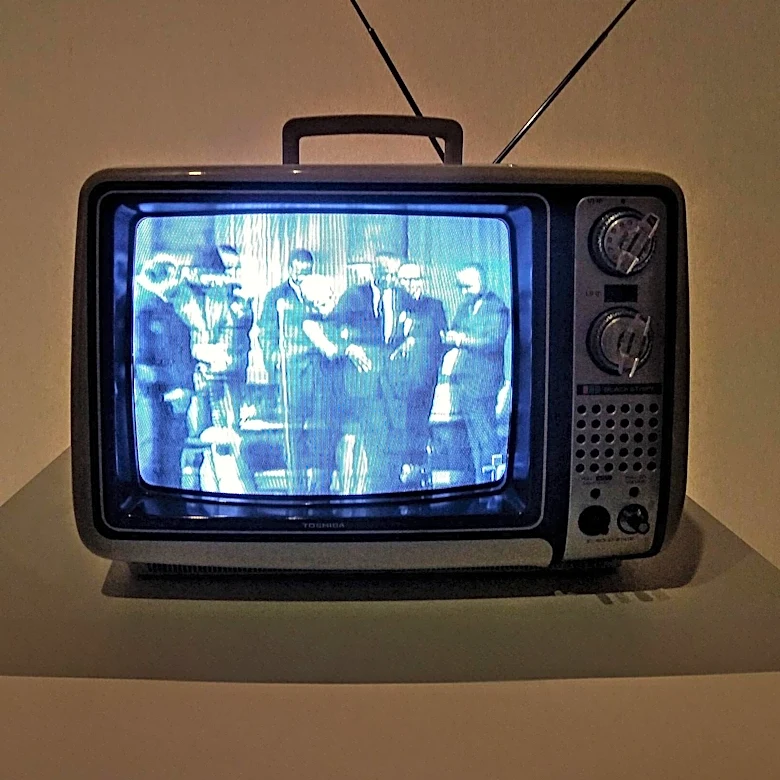
art fair norms. Highlights include Chloe Wise's 'Extrasensory' show and Nick Doyle's 'Human Resources,' a futuristic installation that critiques corporate culture. The event is characterized by its labyrinthine layout, with each room offering a unique artistic experience. The Basel Social Club aims to provide an alternative to conventional art fairs, blending art with elements of nightlife and social commentary.
Why It's Important?
The Basel Social Club represents a shift in how art is presented and consumed, moving away from traditional gallery spaces to more immersive and interactive environments. This approach not only attracts a younger, more diverse audience but also encourages artists to experiment with new forms and themes. By occupying a corporate space, the event also comments on the intersection of art and commerce, challenging the boundaries between the two. This could influence future art fairs and exhibitions, pushing them to adopt more innovative and inclusive formats.
What's Next?
As the Basel Social Club continues to gain popularity, it may inspire similar events in other cities, further blurring the lines between art, entertainment, and social engagement. The success of this edition could lead to more collaborations between artists and unconventional venues, expanding the reach and impact of contemporary art. Additionally, the event's focus on social and cultural themes may encourage more artists to address pressing issues in their work, fostering a more engaged and socially conscious art community.
Beyond the Headlines
The Basel Social Club's use of a corporate office building as an art venue raises questions about the role of space in shaping artistic experiences. By repurposing a site associated with business and productivity, the event challenges visitors to reconsider their perceptions of both art and corporate environments. This juxtaposition highlights the potential for art to transform everyday spaces, making them sites of creativity and reflection. It also underscores the importance of accessibility in the art world, as unconventional venues can attract audiences who might not typically visit traditional galleries.