







What's Happening?
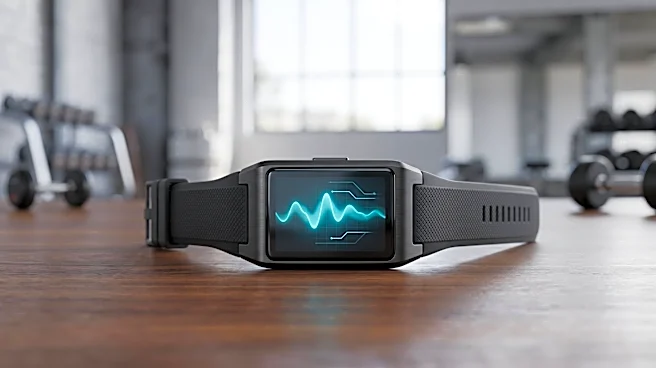
The AI Coach feature, developed by boAt and deployed on Amazon Bedrock, now incorporates users' sleep schedules into its personalized fitness coaching plans. This integration is part of the AI Coach onboarding experience, where users input various personal metrics
including fitness goals, preferred activities, workout frequency, stress levels, and their sleep schedule. The system then utilizes this data, along with historical user information, to generate tailored coaching plans. This development aims to enhance the personalization of fitness guidance provided to millions of boAt smartwatch users. The AI Coach has been in production for over six months, leveraging advanced AI capabilities to help users build and maintain fitness and wellness habits aligned with their individual lifestyles.
Why It's Important?
This integration of sleep schedules into AI-driven fitness coaching signifies a growing recognition of sleep's critical role in overall health and fitness. By considering sleep as a fundamental component of a personalized plan, the AI Coach can offer more holistic and effective recommendations. This approach could lead to improved user outcomes, as adequate and restorative sleep is essential for muscle recovery, hormone regulation, and cognitive function, all of which directly impact fitness progress. For the fitness technology industry, this move highlights a trend towards more comprehensive wellness solutions that go beyond just tracking physical activity. Companies that can effectively integrate various health metrics, including sleep, into their AI coaching platforms may gain a competitive advantage by offering more personalized and impactful user experiences.
What's Next?
The continued evolution of AI-driven fitness platforms is likely to see further integration of diverse health data points. As AI models become more sophisticated, they may analyze sleep patterns in greater detail, potentially offering real-time adjustments to workout routines or recovery protocols based on sleep quality. Future developments could also include predictive analytics, where the AI anticipates potential sleep disruptions and proactively suggests interventions. The success of such integrated systems will depend on user adoption and the accuracy of data collection from wearables. As more users provide comprehensive health data, the AI's ability to generate highly effective and personalized plans will continue to improve, potentially leading to a new standard in digital fitness coaching.
Beyond the Headlines
The inclusion of sleep schedules in AI fitness coaching touches upon broader implications regarding data privacy and the ethical use of personal health information. As AI systems collect more intimate details about users' lives, ensuring the secure handling and responsible application of this data becomes paramount. There's also a cultural shift at play, moving away from a sole focus on intense physical activity towards a more balanced view of wellness that emphasizes recovery and mental well-being. This could encourage a healthier relationship with fitness, where individuals are guided to prioritize rest as much as exertion. The long-term impact could be a more informed and health-conscious population, better equipped to manage their overall well-being through technology.