








What's Happening?
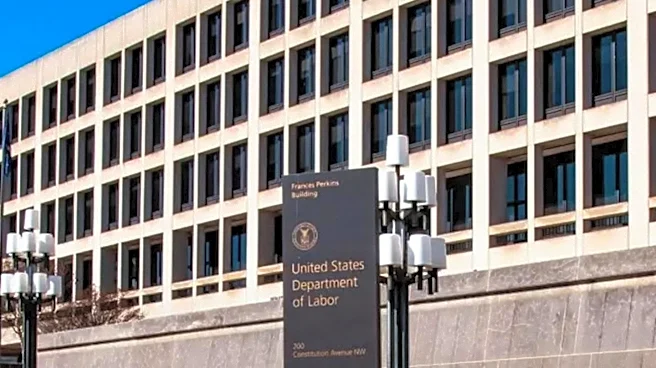
On October 28, 2026, the Department of Homeland Security (DHS), acting on behalf of the Forced Labor Enforcement Task Force (FLETF), updated the Uyghur Forced Labor Prevention Act (UFLPA) Entity List. This expansion brings the total number of entities
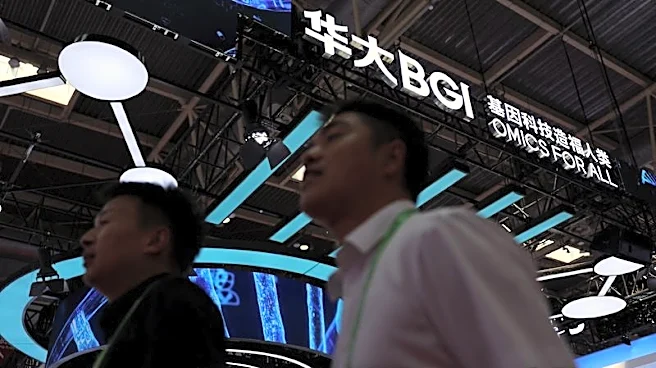
on the list to 190. Effective October 29, 2026, U.S. Customs and Border Protection (CBP) will apply the UFLPA’s rebuttable presumption to goods produced wholly or in part by BGI Genomics Co., Ltd., MGI Tech Co., Ltd., and Shenzhen BGI Technology Co., Ltd. (collectively, BGI Group). This action presumes that goods from these companies were made with forced labor, thereby barring them from entry into the U.S. unless importers can overcome this presumption. The additions follow a significant expansion of the UFLPA Entity List in July, and Beijing has publicly condemned the move, threatening countermeasures.
Why It's Important?
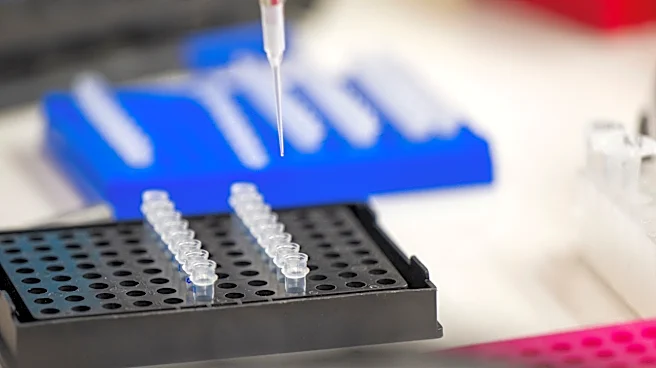
This expansion of the UFLPA Entity List has significant implications for U.S. importers, particularly those in the biotechnology and research sectors. Companies that rely on sequencing instruments, reagents, consumables, and testing kits from the BGI Group, as well as laboratories, research institutions, and drug developers, must immediately assess their exposure. The burden of proof now rests squarely on importers to demonstrate that their goods were not produced with forced labor, a process that is legally rebuttable but practically challenging. The UFLPA has already led to the denial of entry for over 24,300 shipments valued at nearly $1 billion as of July 31, indicating the strict enforcement of these regulations. Furthermore, China's retaliatory measures, such as placing six U.S. organizations on its countermeasures list, complicate the ability of importers to conduct due diligence and provide necessary documentation for rebuttal, as these U.S. entities provide supply chain mapping and auditing services.
What's Next?
Importers must proactively screen their vendors, distributors, and sub-tier suppliers against the updated list, including any aliases for the newly added entities. They need to identify any in-transit shipments, open purchase orders, and installed platforms that may be affected, as there is no described transition period for goods already en route. Tracing and documenting each party's role in the supply chain, down to sub-tier suppliers, will be crucial to avoid denial of entry. Companies should begin assembling and preserving tracing and diligence documentation, as CBP allows only 30 days to respond to a detention notice, with extensions capped at 90 days. Additionally, importers must confirm that their tracing, audit, and testing providers can still operate lawfully in China, given Beijing's countermeasures, and identify alternative providers if necessary. Incorporating forced-labor representations, audit rights, and substitution rights into supply contracts is also a recommended next step.
Beyond the Headlines
The addition of the BGI Group to the UFLPA Entity List highlights the escalating tensions between the U.S. and China over human rights and trade practices. This move extends beyond mere economic sanctions, touching upon ethical and moral considerations related to forced labor. The U.S. government's focus on genetic testing and data services as a basis for these listings suggests a broader concern about the misuse of technology and data in human rights abuses. The difficulty for importers to rebut the presumption of forced labor, especially for goods directly made by listed companies, underscores a shift towards a more stringent enforcement regime. This situation could lead to a significant restructuring of global supply chains, as companies seek to de-risk their operations from regions associated with forced labor concerns, potentially accelerating a broader decoupling of certain industries between the U.S. and China.