


What's Happening?
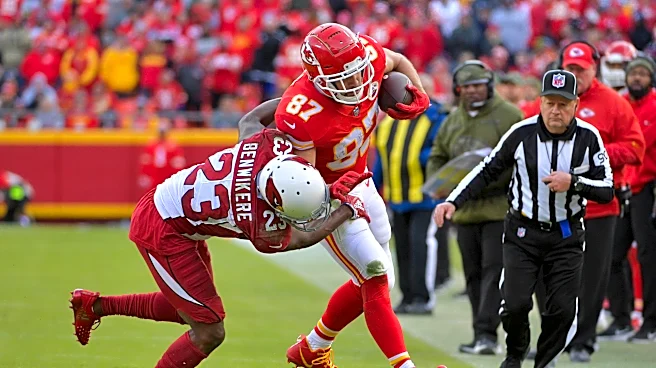
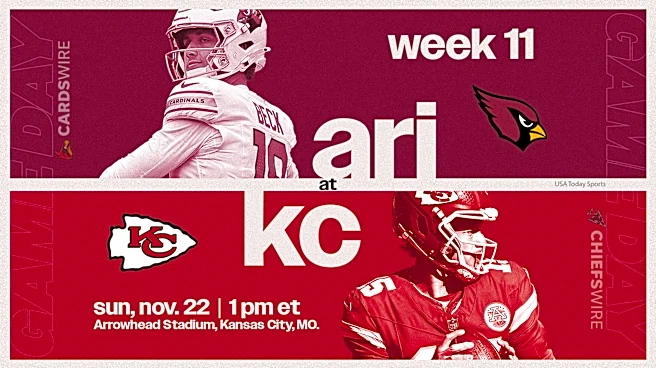
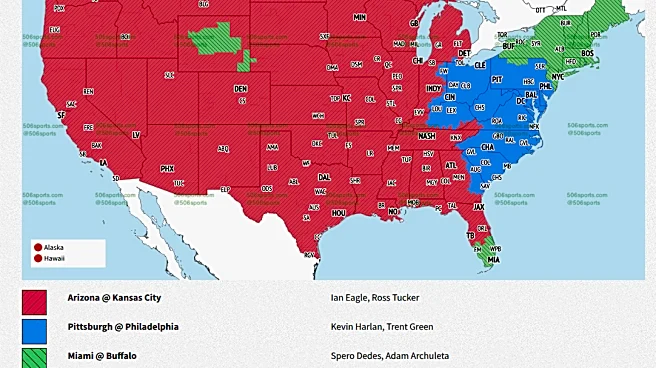
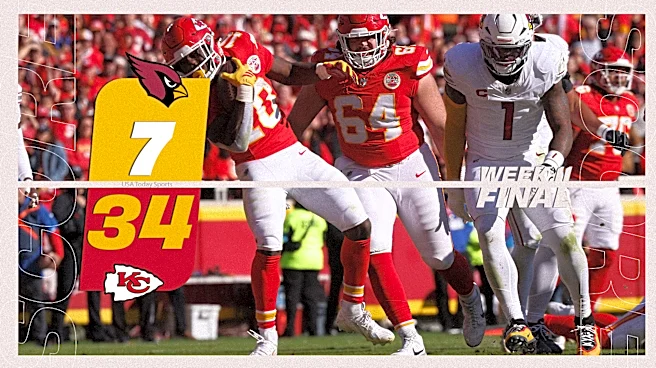
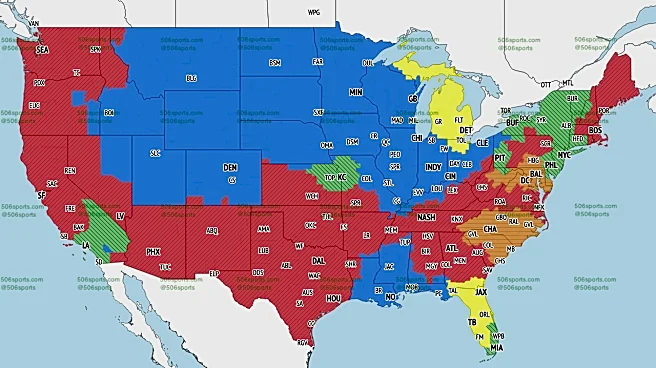
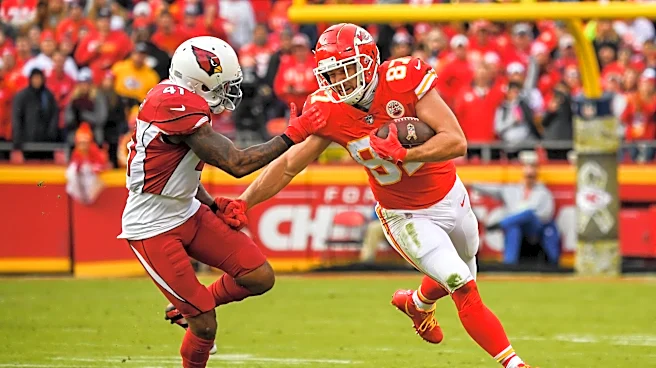
CBS is currently facing significant backlash from viewers, particularly fans of the Kansas City Chiefs, after the network switched its broadcast from the Chiefs-Cardinals game to the Eagles-Steelers game. The switch occurred in the fourth quarter of the Chiefs-Cardinals game,
where Kansas City held a commanding 34-7 lead. Chiefs head coach Andy Reid had benched quarterback Patrick Mahomes, allowing backup Justin Fields to play. Despite the ongoing game and the presence of notable figures like Taylor Swift at Arrowhead Stadium, CBS opted to change the broadcast, reportedly seeking a more competitive matchup. This decision led to numerous complaints on social media platforms like X, with fans expressing frustration over missing the conclusion of their team's game and being subjected to commercials before the new game began.
Why It's Important?
This incident highlights the growing tension between traditional broadcast network programming decisions and viewer expectations in the age of personalized content and widespread social media. For sports fans, the ability to watch their preferred team's entire game is paramount, and an unexpected switch can lead to significant dissatisfaction. This backlash could impact CBS's viewership and public perception, especially among dedicated NFL fans who rely on the network for game broadcasts. The incident also underscores the power of social media as a platform for immediate public reaction and criticism, forcing networks to be more accountable for their programming choices. In an increasingly competitive media landscape, maintaining viewer loyalty is crucial, and decisions that alienate a significant portion of the audience can have long-term consequences for advertising revenue and brand reputation.
What's Next?
It remains to be seen how CBS will address the widespread viewer complaints. The network may issue a statement or adjust its future programming strategies to prevent similar incidents, particularly during lopsided games. Fans who were affected may continue to voice their displeasure on social media, potentially influencing future broadcast decisions or even leading to a shift in viewing habits towards alternative platforms that offer more control over game selection. The incident could also prompt discussions within the broadcasting industry about the criteria used for switching games and the importance of viewer satisfaction, especially when high-profile teams are involved. The NFL, as a major stakeholder, might also take note of the fan reaction and engage with its broadcast partners to ensure a positive viewing experience for its audience.
Beyond the Headlines
This event touches upon broader themes concerning media consumption and the evolving relationship between broadcasters and their audience. In an era where streaming services and personalized content are prevalent, traditional linear television faces challenges in meeting diverse viewer demands. The expectation of uninterrupted coverage for a chosen event, even if it's a blowout, reflects a shift in how audiences perceive their control over media. The incident also subtly highlights the cultural impact of celebrity, as the presence of Taylor Swift at the game was noted as a factor that might have made the Chiefs game more appealing to some viewers, yet CBS still opted for a different broadcast. This suggests a potential disconnect between network algorithms or decision-making processes and the multifaceted reasons why viewers tune into live events.