




What's Happening?
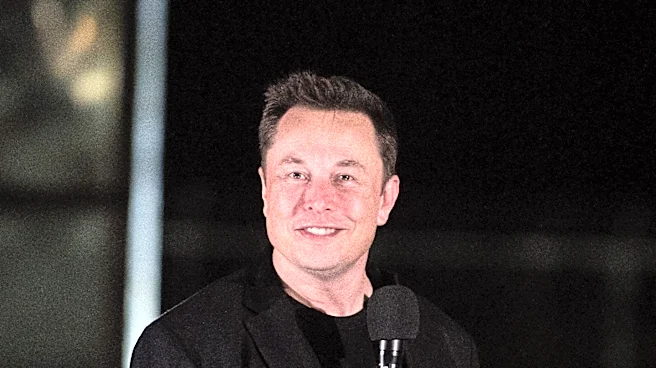
Elon Musk, the founder of SpaceX and CEO of Tesla, has achieved an estimated net worth of $1 trillion, making him the wealthiest individual in the United States. This figure, based on Forbes' 'The Richest Person in Every State 2026' as of October 9, 2026,
places his fortune at more than double that of the second-richest person. Musk's wealth primarily stems from his stakes in Tesla and SpaceX, companies that have seen significant growth in the electric vehicle and aerospace sectors. His entrepreneurial journey began in South Africa, where he self-taught programming and sold a video game at a young age. The concentration of wealth in technology, particularly in electric vehicles, e-commerce, search engines, and social media, is a notable trend highlighted by these rankings. While Musk's wealth is largely measurable through his public and private company holdings, the report also notes that other forms of wealth, such as political power, are less quantifiable.
Why It's Important?
Elon Musk's unprecedented $1 trillion net worth signifies a major milestone in wealth accumulation, reflecting the immense economic power generated by the technology sector in the U.S. This concentration of wealth in a single individual has broad implications for economic discourse, discussions on wealth inequality, and the influence of tech moguls on public policy and innovation. His success in electric vehicles and space exploration underscores the transformative potential of these industries, attracting significant investment and shaping future economic landscapes. The ease with which Musk's wealth can be measured, primarily through stock valuations, contrasts with less transparent forms of power and influence, raising questions about how wealth is defined and its broader societal impact. This level of individual wealth can also influence philanthropic efforts, investment trends, and the direction of technological advancement, potentially accelerating or disrupting various sectors of the U.S. economy.
What's Next?
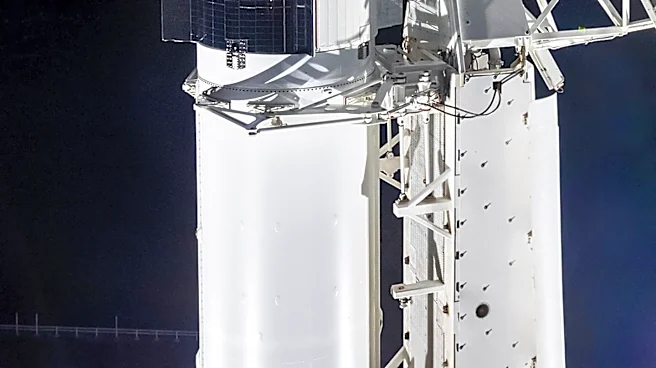
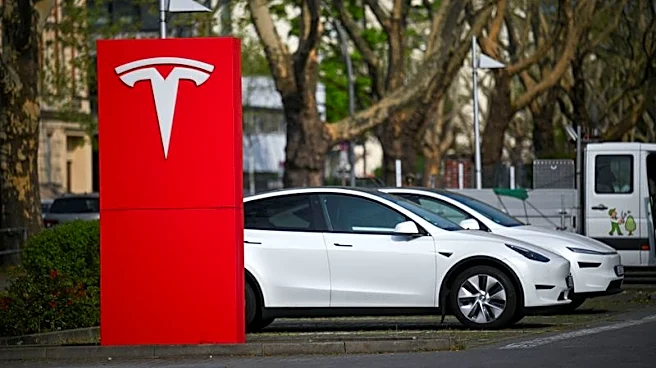
The continued growth of Elon Musk's wealth and the companies he leads, Tesla and SpaceX, will likely remain a focal point in financial and economic news. Future developments could include further expansion of Tesla's market share in electric vehicles and energy solutions, as well as SpaceX's advancements in space travel and satellite internet services. These ventures could further solidify his financial standing and influence. Discussions around wealth taxation and economic policy may intensify as individual fortunes reach unprecedented levels, potentially leading to debates on how such wealth impacts societal structures and opportunities. The performance of the stock market and the broader technology sector will also play a crucial role in the fluctuation of his net worth. Additionally, Musk's ventures into new technologies or industries could emerge, further diversifying his portfolio and impact.
Beyond the Headlines
Elon Musk's ascent to a $1 trillion net worth extends beyond mere financial figures, touching upon deeper societal and ethical considerations. His wealth symbolizes the growing influence of private individuals in shaping global technological trajectories, from sustainable energy to space colonization. This concentration of capital in the hands of a few raises questions about economic power dynamics, the role of innovation in wealth creation, and the potential for such individuals to exert significant influence over political and social agendas. The narrative also highlights the ongoing debate about the nature of wealth itself—whether it is solely a measure of financial assets or if it encompasses other forms of power and control. The rapid accumulation of such vast fortunes in the tech sector may also prompt re-evaluations of existing economic models and regulatory frameworks designed to manage wealth distribution and market dominance.