







What's Happening?
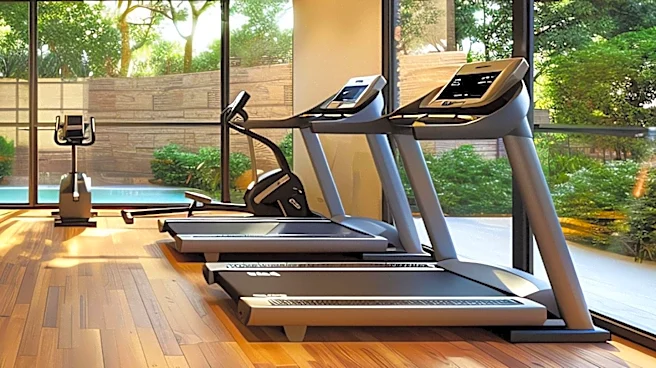
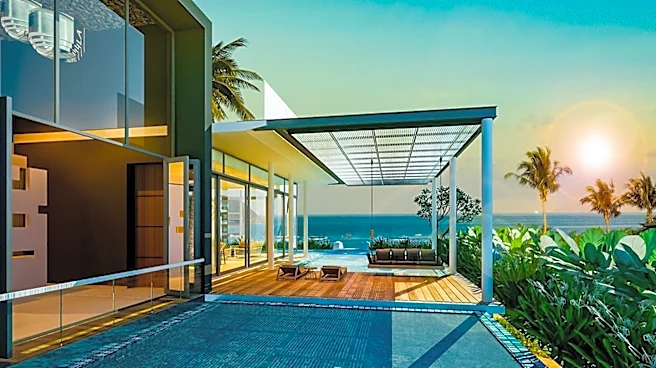
Real estate developers are increasingly focusing on 'longevity residences,' a new trend in luxury real estate that integrates wellness-oriented lifestyles into residential living. These developments aim to provide residents with facilities and services
that promote health and well-being, such as in-home oxygenation systems, sound baths, IV therapy, and on-demand spa services. The concept is gaining traction as healthspan, the number of years a person enjoys good health, becomes a more significant aspiration than lifespan. Developers like Dev Motwani of Merrimac Ventures and Bryan Grandison of Extell Development Company are leading this trend, offering amenities that make healthy living a seamless part of daily life. Properties in New York City, such as One Manhattan Square and Brooklyn Point, exemplify this approach by providing wellness experiences that extend beyond traditional amenities.
Why It's Important?
The shift towards longevity residences reflects a broader societal trend where health and wellness are becoming central to lifestyle choices. This development is significant for the real estate industry as it taps into the growing demand for homes that support a healthy lifestyle. By integrating wellness into the fabric of residential living, developers are not only meeting consumer demand but also setting new standards for luxury living. This trend could lead to increased property values and attract a demographic that prioritizes health and well-being. Additionally, it highlights a shift in consumer expectations, where wellness is no longer seen as an add-on but as an essential component of everyday life.
What's Next?
As the market for longevity residences expands, developers are likely to innovate further, incorporating more advanced wellness technologies and services into their offerings. This could include personalized health solutions powered by AI and data analytics, further enhancing the appeal of these residences. The trend may also influence urban planning and development, as cities adapt to accommodate the growing demand for wellness-oriented living spaces. Stakeholders, including investors and policymakers, will need to consider the implications of this shift, potentially leading to new regulations and standards in the real estate sector.
Beyond the Headlines
The rise of longevity residences also raises questions about accessibility and equity in housing. As these developments cater primarily to affluent buyers, there is a risk of widening the gap between those who can afford such amenities and those who cannot. This trend could prompt discussions about how to make wellness-oriented living more accessible to a broader population. Additionally, the focus on healthspan over lifespan may influence cultural attitudes towards aging and health, encouraging a more proactive approach to wellness across all age groups.