



What's Happening?
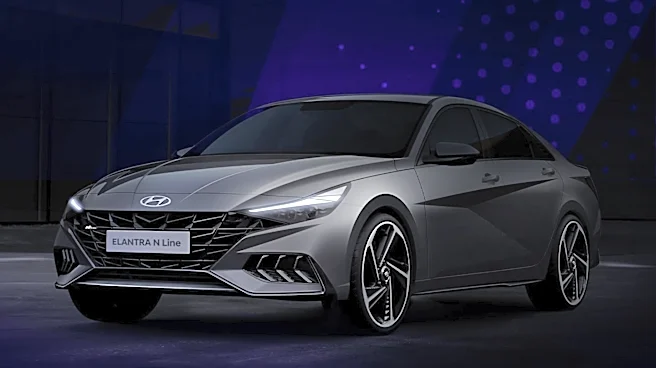
Hyundai Motor America has donated a 2025 Hyundai Elantra N to Raritan Valley Community College's (RVCC) Automotive Technology program. This donation aims to provide students with practical, hands-on experience using modern automotive technology. The high-performance
vehicle will be utilized to train students on the latest automotive systems, components, and diagnostic procedures, preparing them for careers in the automotive industry. In addition to the vehicle, Hyundai is supplying a diagnostic scan tool (GDS) and access to web-based technical training. This initiative ensures students gain experience with the same equipment and resources currently employed in the automotive industry. Sara Heller, Assistant Professor/Coordinator of RVCC’s Automotive Technology Program, emphasized the importance of access to newer vehicles for automotive education, as it allows students to develop skills relevant to current industry technology. Emanue’l King, Senior Manager, Technical Training Programs, Hyundai Motor America, stated that this donation reflects Hyundai’s commitment to preparing the next generation of automotive technicians.
Why It's Important?
This donation is significant for the U.S. automotive industry as it directly addresses the need for a skilled workforce capable of handling advanced vehicle technologies. As vehicles become more complex, incorporating sophisticated diagnostic systems and electronic components, the demand for technicians with up-to-date training increases. By providing a new model vehicle and specialized diagnostic tools, Hyundai is helping to bridge the gap between academic learning and real-world industry requirements. This initiative not only benefits RVCC students by enhancing their employability but also supports Hyundai's dealership network by fostering a pipeline of well-trained technicians. The ability of students to work directly with current technology ensures they are better prepared to identify components, conduct diagnostics, and understand systems they will encounter in professional settings, thereby contributing to the overall quality of automotive service in the country.
What's Next?
The 2025 Hyundai Elantra N will be immediately integrated into RVCC's Automotive Technology curriculum, allowing students to begin training on the vehicle's advanced systems. The provision of the GDS diagnostic scan tool and web-based technical training will further enhance the program's offerings, ensuring students are familiar with industry-standard diagnostic procedures. This partnership could serve as a model for other automotive manufacturers to collaborate with educational institutions, potentially leading to more donations and enhanced training programs across the U.S. The goal is to build confidence and strengthen skills among students, creating a clear pathway from the classroom to rewarding careers within Hyundai's dealership network and the broader automotive service sector. Continued engagement between automotive companies and educational programs will be crucial for maintaining a skilled workforce in an evolving industry.
Beyond the Headlines
The donation highlights a broader trend in the automotive sector: the increasing complexity of vehicles necessitates a continuous evolution in technical education. As electric vehicles, advanced driver-assistance systems, and sophisticated infotainment units become standard, the skills required of automotive technicians are shifting from purely mechanical to a blend of mechanical, electrical, and software diagnostics. This initiative by Hyundai underscores the ethical responsibility of manufacturers to invest in the future workforce that will service their products. It also points to a potential long-term shift where automotive education programs will rely more heavily on direct industry partnerships to acquire the latest technology for training. This collaborative model ensures that educational institutions can keep pace with rapid technological advancements, preventing a skills gap that could otherwise hinder vehicle maintenance and repair capabilities across the nation.