





What's Happening?
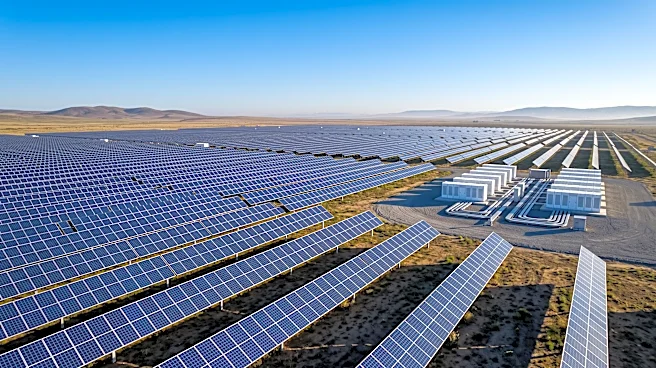
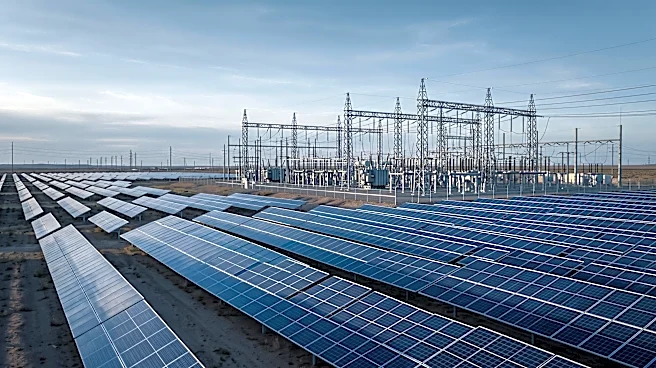
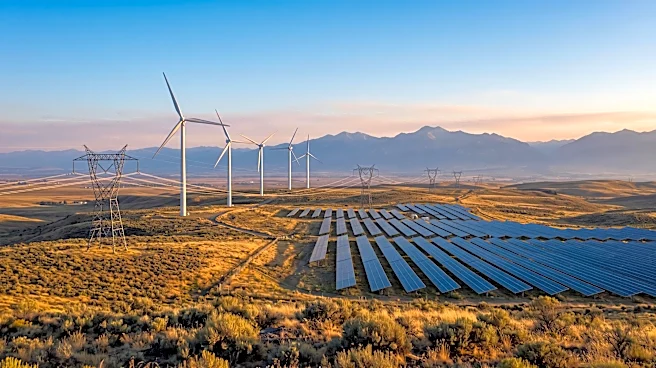
Linxon, Hitachi Energy, and FTC Solar have signed a Memorandum of Understanding to form a strategic alliance aimed at streamlining the development of utility-scale solar and battery storage projects. This collaboration seeks to integrate their respective
expertise: Linxon as the lead engineering, procurement, and construction (EPC) integrator, Hitachi Energy providing power conversion systems, and FTC Solar contributing solar tracker and racking technology. The partnership intends to establish a standardized delivery model for large-scale renewable energy projects across North America and other regions. This initiative is designed to address systemic industry challenges such as supply chain volatility, labor shortages, and complex project execution pressures by integrating operations early in the development process. The companies believe this approach will improve project visibility and standardize delivery, ultimately leading to more efficient deployment of renewable energy infrastructure.
Why It's Important?
This alliance is significant for the U.S. renewable energy sector as it directly addresses critical bottlenecks hindering the rapid deployment of utility-scale solar and battery storage projects. By integrating engineering, power conversion, and solar infrastructure expertise, the partnership aims to mitigate supply chain disruptions and labor challenges that have historically slowed down large-scale energy transitions. Increased efficiency in project delivery can lead to faster deployment of renewable energy capacity, which is crucial for meeting growing energy demands and decarbonization goals. For consumers, this could translate into more reliable access to renewable energy and potentially lower costs for the energy grid over time. The collaboration aligns with broader industry efforts, including the U.S. Department of Energy Solar Energy Technologies Office's strategic roadmap, to professionalize project delivery and foster integrated supply chain management, ensuring the feasibility of massive energy infrastructure developments.
What's Next?
The companies plan to implement their standardized delivery model for large-scale renewable energy projects, initially focusing on North America and potentially expanding to other regions. This will involve leveraging integrated technology selection and manufacturing planning to reduce project integration risks. The success of this alliance could set a precedent for similar collaborations within the renewable energy industry, encouraging other firms to adopt integrated approaches to project development. Over time, the market will observe whether this strategic partnership effectively reduces project timelines, lowers costs, and enhances the reliability of utility-scale solar and battery storage deployments. The long-term impact will be measured by the acceleration of renewable energy capacity additions and the overall stability of the energy grid.
Beyond the Headlines
Beyond the immediate operational efficiencies, this alliance highlights a deeper trend in the energy sector: the increasing necessity for comprehensive, integrated solutions to tackle the complexities of the energy transition. The move towards standardized delivery models and early operational integration reflects a recognition that fragmented approaches are no longer sustainable for achieving ambitious renewable energy targets. This collaboration also underscores the evolving role of engineering and infrastructure firms, which are becoming critical orchestrators in managing the volatility inherent in modern construction projects. The ethical implication lies in ensuring that these efficiencies translate into equitable access to clean energy and sustainable practices throughout the supply chain, rather than solely focusing on profit margins. It also raises questions about the potential for market consolidation and its effects on innovation and competition within the renewable energy landscape.