








What's Happening?
The Kansas City Chiefs and Hunt Midwest have announced the formation of a new joint real estate venture named Two-Point Development. This new company will be responsible for creating vibrant, mixed-use districts around the Chiefs' future stadium in Kansas City,
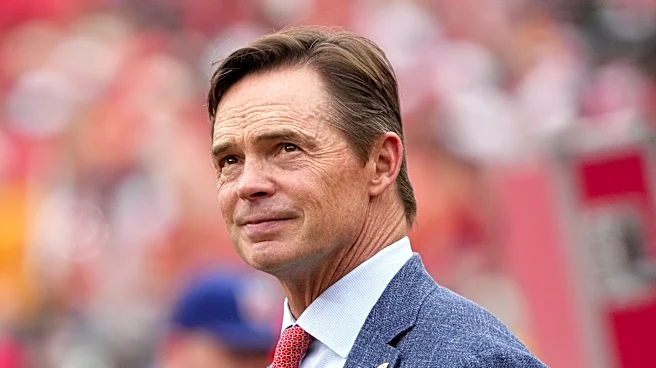
Kansas, and their new headquarters and training facility in Olathe, Kansas. The vision for these developments is to establish environments where locals can live, work, and play, while also providing connected, experience-driven public gathering spaces for visitors. The inspiration for these districts draws from successful models like the Dallas Cowboys' 'The Star' district in Frisco, Texas, which features numerous restaurants, shops, and services. In Kansas City, Kansas, the development around the new stadium, planned to open for the 2031 NFL season with a capacity for approximately 70,000 fans, will include entertainment, hospitality, retail, and residential spaces. In Olathe, the area surrounding the team's future headquarters and practice facility, located near College Boulevard and Ridgeview Road, will also feature a mixed-use development. Chiefs owner Clark Hunt emphasized that this partnership is a continuation of his father's vision for investing in the Kansas City region's business community.
Why It's Important?
This joint real estate venture signifies a major economic and urban development initiative for the Kansas City metropolitan area. The creation of mixed-use districts around significant sports infrastructure, such as a new NFL stadium and team headquarters, has the potential to generate substantial economic activity, including job creation, increased property values, and new revenue streams for local governments. The 'live, work, play' model aims to foster community engagement and attract residents and businesses, transforming these areas into dynamic hubs. For Olathe, the development around the Chiefs' headquarters could significantly boost local commerce and enhance its profile as a desirable place to live and work. The project also reflects a growing trend in professional sports where franchises are leveraging their brand and facilities to drive broader real estate and entertainment ventures, creating integrated destinations rather than just standalone venues. This strategic move by the Chiefs and Hunt Midwest could set a precedent for future sports-related urban development projects in the U.S.
What's Next?
Two-Point Development will now proceed with the long-term planning and coordination of these extensive mixed-use districts. As the master developer, the company will be responsible for designing layouts, securing zoning approvals, and carefully curating the mix of retail, residential, and office tenants. Local residents and businesses, particularly those near the planned developments in Olathe, will likely see increased construction activity and further announcements regarding specific tenants and amenities. The project will also involve ongoing collaboration with city officials in both Kansas City, Kansas, and Olathe to ensure alignment with urban planning goals and community needs. The Chiefs' organization will continue to cherish their remaining five years at Arrowhead Stadium before the transition to the new facility in Kansas City, Kansas, in 2031. The success of these developments will be closely watched as a model for future sports-anchored urban revitalization.
Beyond the Headlines
The establishment of Two-Point Development and the ambitious mixed-use projects represent more than just new buildings; they symbolize a significant shift in how professional sports franchises integrate with urban landscapes. This trend moves beyond traditional stadium development to create comprehensive lifestyle destinations, blurring the lines between sports, entertainment, commerce, and residential living. The inspiration drawn from 'The Star' district suggests a focus on creating immersive experiences that extend beyond game days, aiming to foster continuous economic activity and community engagement. However, such large-scale developments also raise questions about gentrification, displacement of existing businesses or residents, and the equitable distribution of economic benefits. The long-term success will depend on careful planning that balances commercial interests with community needs, ensuring that the new districts genuinely enhance the quality of life for all residents and visitors, rather than just serving as exclusive enclaves. The project's name, a nod to the two-point conversion, also subtly connects the business venture to the team's legacy and the innovative spirit of its founder, Lamar Hunt.