





What's Happening?
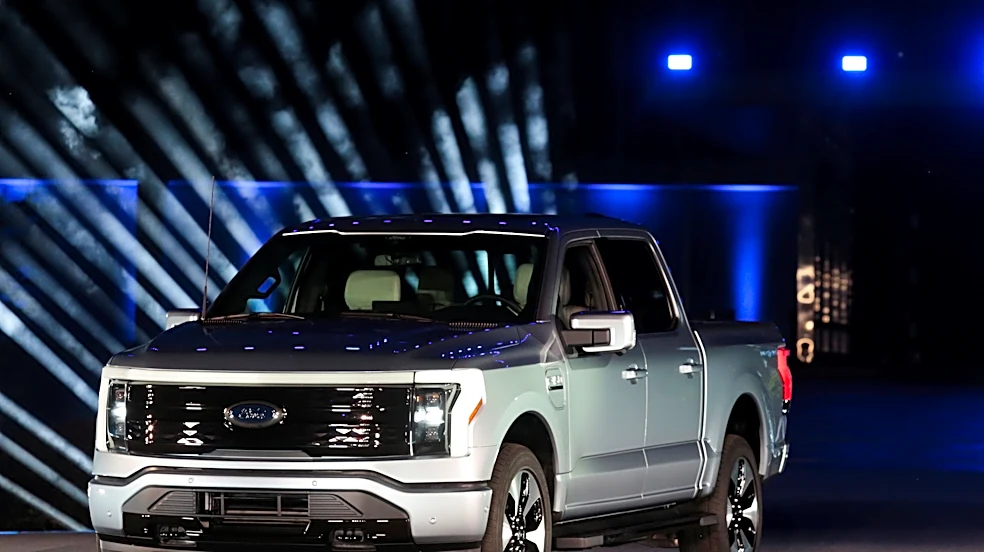
Stingray, a connected streaming media company, has introduced new in-vehicle audio applications, Ford Streaming Radio and Lincoln Streaming Radio, for select Ford and Lincoln models in the U.S. and Canada. These apps are designed to provide a custom audio experience,
offering curated music channels, radio stations, and podcasts directly through the vehicle's in-dash interface. The rollout includes 2025 and newer Ford Explorer, Ford Expedition, Lincoln Aviator, and Lincoln Navigator models, as well as 2024 and newer Lincoln Nautilus vehicles. Jim Riley, president of Stingray Music USA, stated that the company collaborated closely with Ford to create a tailor-made experience, emphasizing ease of use through in-dash controls and voice commands. The service features over 100 ad-free music channels, more than 100,000 local and international radio stations, and a library of 4 million podcasts, including Ford CEO Jim Farley’s 'Drive' podcast.
Why It's Important?
This launch signifies a growing trend in the automotive industry towards integrating advanced in-car entertainment and connectivity features, enhancing the driving experience for consumers. For Ford and Lincoln, partnering with Stingray allows them to offer a rich, personalized audio content library, potentially increasing vehicle appeal and customer satisfaction in a competitive market. The inclusion of Ford CEO Jim Farley’s 'Drive' podcast directly within the app highlights a strategic move to engage customers with brand-specific content. This development also underscores the increasing importance of software and digital services as differentiators in vehicle sales, moving beyond traditional hardware features. As vehicles become more connected, the quality and breadth of integrated digital services will play a crucial role in consumer purchasing decisions and brand loyalty.
What's Next?
The rollout of Ford Streaming Radio and Lincoln Streaming Radio apps is expected to continue across more models and potentially expand with additional features and content. Stingray and Ford will likely monitor user engagement and feedback to refine the offerings and introduce further personalization options. This partnership could pave the way for more collaborations between automotive manufacturers and digital content providers, leading to a more integrated and diverse in-car entertainment ecosystem. The success of these apps may also influence other automakers to invest further in their own proprietary or partnered streaming services, intensifying competition in the connected car market. Future developments could include deeper integration with vehicle telematics, personalized recommendations based on driving habits, and expanded interactive features.
Beyond the Headlines
The integration of comprehensive streaming services directly into vehicle dashboards represents a significant shift in how consumers interact with media on the go. This move blurs the lines between traditional automotive features and digital lifestyle services, transforming the car into an extension of the digital home or office. It raises questions about data privacy, as these systems collect user preferences and listening habits, and the potential for new advertising models within the vehicle environment. Furthermore, the emphasis on 'tailor-made' experiences suggests a future where in-car entertainment is highly customized, potentially leading to subscription-based models for premium content and services. This evolution could also impact the traditional radio broadcasting industry, as drivers increasingly turn to on-demand and personalized streaming options, challenging established media consumption patterns.