




What's Happening?
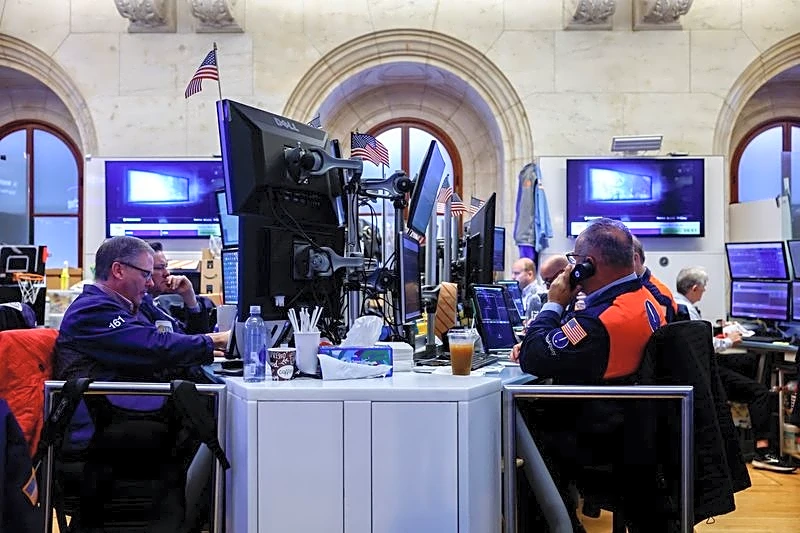
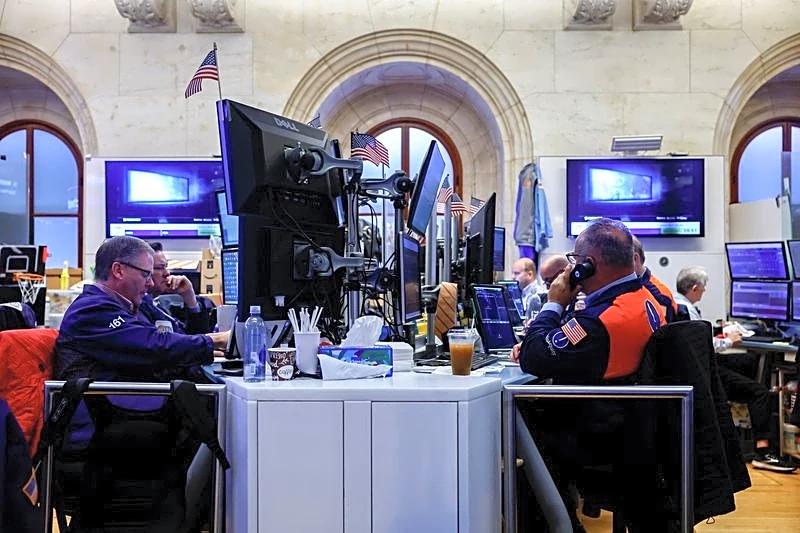
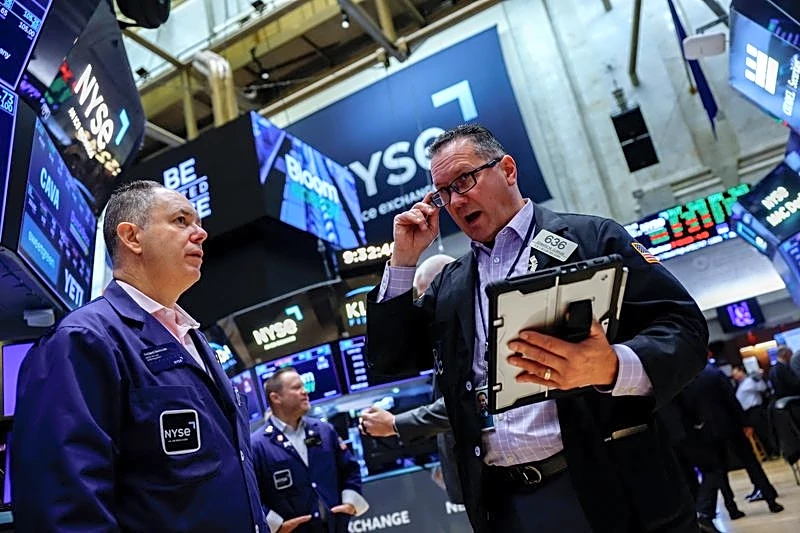
U.S. stock futures remained steady on Monday evening following a rebound in technology and chip shares. The Nasdaq Composite rose 1.11% and the S&P 500 gained 0.41% on October 19, while the Dow Jones Industrial Average slipped 0.07%. This rebound occurred
after the S&P 500 and Nasdaq experienced their largest weekly declines since late June, attributed to concerns over inflation, higher interest rates, and the cost of financing AI infrastructure. The Philadelphia Semiconductor Index notably climbed about 2.5%, ending an eight-session losing streak, with gains seen in Nvidia, Advanced Micro Devices, and Broadcom. Investors are now preparing for a busy week of corporate earnings, including reports from General Motors, Netflix, Tesla, and Meta Platforms.
Why It's Important?
The stabilization of U.S. stock futures and the rebound in tech shares signal a potential shift in investor sentiment after a period of significant declines. The recovery in the semiconductor sector, a key component of the technology industry, suggests renewed confidence in the artificial intelligence sector, despite previous anxieties about the cost of AI infrastructure. This indicates that while concerns about inflation and interest rates persist, the underlying strength and potential of tech companies, particularly those involved in AI, continue to attract investment. The upcoming earnings reports from major corporations will be crucial in determining whether this rebound is sustainable or merely a temporary fluctuation, providing vital insights into the health of various U.S. industries.
What's Next?
The market's immediate focus is on the heavy schedule of corporate earnings reports this week. General Motors is set to report before Tuesday's opening bell, followed by Netflix after the market closes. Tesla and Meta Platforms are slated to report on Wednesday, alongside other semiconductor and technology equipment companies like Lam Research and Texas Instruments. These reports will offer critical data on corporate performance and outlooks, which will likely influence market movements and investor strategies. The performance of these key companies, especially those in the AI sector, will be closely watched for indications of future growth and profitability amidst ongoing economic concerns.
Beyond the Headlines
The recent market volatility, characterized by significant weekly declines followed by a tech rebound, highlights the ongoing tension between macroeconomic concerns and sector-specific growth drivers. The emphasis on the cost of financing AI infrastructure and the increasing scrutiny from investors regarding the return on capital for AI investments suggest a maturing market for artificial intelligence. This indicates that the initial broad enthusiasm for AI is evolving into a more selective approach, where companies with clear pathways to profitability and sustainable business models will be favored. This shift could lead to a more disciplined investment environment within the tech sector, potentially impacting innovation and growth strategies for AI-focused companies.