





What's Happening?
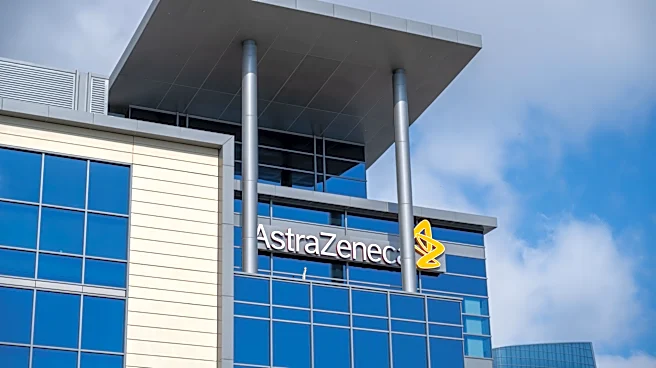
AstraZeneca has recently achieved several regulatory milestones, including a U.S. Priority Review for its gastric cancer drug, Sone Ve, and new approvals across its oncology, neurology, and cardiovascular disease portfolios. These approvals have contributed
to a significant increase in the company's share price, with a 9.27% return over 30 days and a 17.04% return over 90 days. The company's five-year total shareholder return stands at 88.89%. Analysts at Simply Wall St. suggest that AstraZeneca's fair value is £164.59, indicating it could be 15% undervalued compared to its last closing price of £140.10. This valuation is based on long-term earnings and cash flow forecasts, using a 7.83% discount rate. The company's robust late-stage pipeline, particularly in oncology, rare diseases, and cardiovascular/metabolic therapies, includes 12 programs with risk-adjusted peak sales potential exceeding US$5 billion each, and several more in the US$3 billion to US$5 billion range.
Why It's Important?
These recent drug approvals and the U.S. Priority Review are crucial for AstraZeneca, reinforcing its position in the highly competitive biopharmaceutical market. The positive regulatory outcomes validate the company's research and development efforts, particularly in oncology and specialty care, which are high-growth areas within the pharmaceutical industry. The increased share price and the analyst assessment of being undervalued could attract further investment, providing capital for continued innovation and market expansion. For U.S. patients, the approval of new drugs, such as the gastric cancer treatment, offers new therapeutic options for serious conditions. The potential for multiple drugs to generate billions in sales underscores the significant impact these developments could have on AstraZeneca's revenue and earnings, benefiting shareholders and strengthening the company's financial health. This also highlights the importance of a diversified pipeline in mitigating risks associated with drug development.
What's Next?
AstraZeneca's future trajectory will largely depend on the successful progression of its late-stage pipeline assets from development to commercial launch. While the recent approvals are positive, the company's story could change if future late-stage trials disappoint or if increased capital expenditure does not translate into commercially successful products. Investors and market observers will be closely watching for further data and financial reports to assess the long-term impact of these approvals. The company's ability to effectively commercialize these new drugs and manage its extensive pipeline will be key to realizing the projected valuation and sustaining its growth momentum. The focus will also be on how these new oncology approvals compare with advancements from healthcare AI stocks, indicating a broader industry trend towards data-driven drug development.
Beyond the Headlines
The success of AstraZeneca's drug development and approval process has broader implications for the pharmaceutical industry and healthcare innovation. The emphasis on a diversified pipeline, particularly in complex areas like oncology and rare diseases, reflects a strategic approach to address unmet medical needs while also spreading investment risk. The U.S. Priority Review designation for Sone Ve highlights the critical need for expedited development of treatments for serious conditions like gastric cancer, potentially setting a precedent for future regulatory pathways. Furthermore, the analyst's assessment of AstraZeneca as 'undervalued' despite its recent gains points to the intricate nature of pharmaceutical stock valuation, where future potential from a robust pipeline often outweighs current market capitalization. This scenario underscores the long-term investment horizon often required in the biopharmaceutical sector, where significant R&D investments take years to yield returns.