







What's Happening?
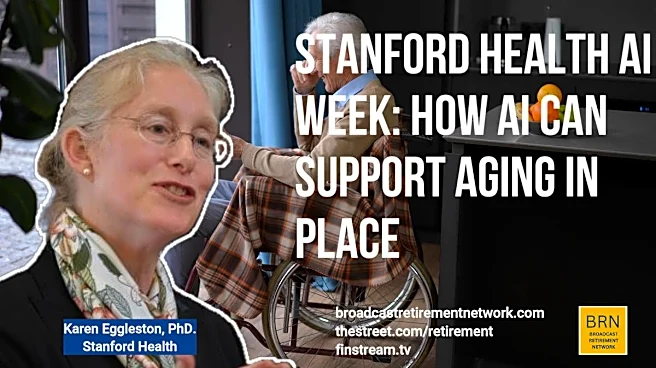
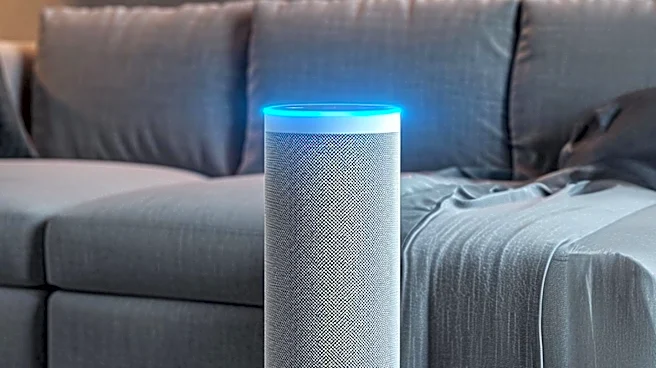
Voice-controlled devices are increasingly being utilized to assist in caregiving for older adults, providing features such as remote monitoring, medication reminders, and interactive entertainment. Frank Engelman, an 82-year-old who has tested AI-powered
caregiving tools, has implemented voice-control shortcuts on his 99-year-old aunt's iPad to help her with daily tasks. Additionally, smart home devices like LG ovens and microwaves, Samsung refrigerators, and smart toilets offer voice control and remote monitoring capabilities. These technologies aim to improve the independence and quality of life for elderly users by simplifying daily activities and providing timely alerts and reminders. However, many of these technologies lack clinical backing and are not always tested with older users, which can present challenges in accessibility and adoption.
Why It's Important?
The integration of voice-controlled devices in caregiving for older adults is significant as it addresses the growing need for affordable and effective solutions to support aging populations. With the high costs of assisted living facilities, families are turning to technology to help their loved ones age in place, potentially reducing expenses and easing the caregiving burden. These devices can enhance the safety and independence of older adults, allowing them to remain in their homes longer. However, the lack of clinical validation and potential accessibility issues highlight the need for careful consideration in the adoption of these technologies. The success of these devices could lead to broader acceptance and innovation in the field of elder care technology.
What's Next?
As the demand for elder care technology grows, companies may focus on improving the accessibility and reliability of these devices to better meet the needs of older adults and their caregivers. There may be increased efforts to clinically validate these technologies to ensure their effectiveness and safety. Additionally, as more families adopt these solutions, there could be a push for more affordable pricing models to make them accessible to a wider audience. Stakeholders, including technology developers, healthcare providers, and policymakers, may collaborate to address the challenges and opportunities presented by these innovations in elder care.
Beyond the Headlines
The use of voice-controlled devices in elder care raises ethical and privacy concerns, particularly regarding data security and the potential for over-reliance on technology. As these devices become more integrated into daily life, there is a need to balance technological assistance with human interaction to ensure that older adults do not become isolated. The cultural shift towards technology-driven caregiving also prompts discussions about the role of family and community in supporting aging populations. Long-term, these developments could influence how society approaches aging and caregiving, potentially reshaping the landscape of elder care.