




What's Happening?
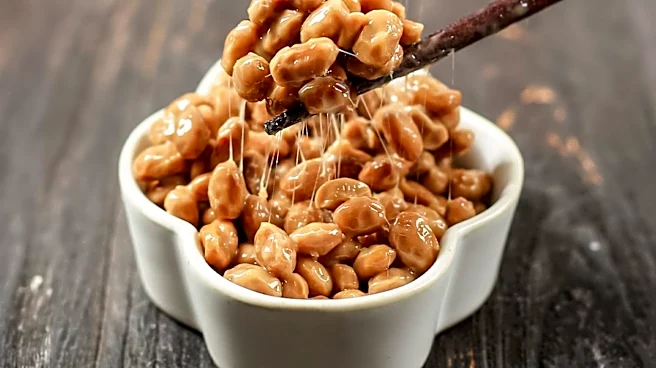
Fermented soybeans, such as natto and miso, are celebrated for their nutritional benefits, including probiotics and vitamin K2. However, they also pose risks, particularly for individuals with histamine intolerance or those on blood thinners. The fermentation
process can produce high levels of histamine, which may trigger adverse reactions in sensitive individuals. Additionally, the vitamin K2 content in natto can interfere with anticoagulant medications. The article emphasizes the importance of informed consumption and understanding individual tolerance to maximize benefits while minimizing risks.
Why It's Important?
The discussion around fermented soybeans highlights the complexity of balancing nutritional benefits with potential health risks. As interest in functional foods grows, understanding the nuances of how these foods interact with individual health conditions is crucial. The article underscores the need for personalized dietary choices and the role of healthcare providers in guiding safe consumption. It also reflects broader trends in nutrition science, where the focus is shifting towards individualized approaches to diet and health.
What's Next?
As awareness of the risks associated with fermented soybeans increases, there may be more emphasis on educating consumers about safe consumption practices. This could include clearer labeling on products and more research into the health effects of fermented foods. Healthcare providers may also play a more active role in advising patients on dietary choices, particularly for those with specific health conditions. The trend towards personalized nutrition is likely to continue, with more tools and resources available to help individuals make informed dietary decisions.
Beyond the Headlines
The conversation around fermented soybeans touches on broader themes of food safety and the role of traditional foods in modern diets. It raises questions about how to balance cultural heritage with contemporary health standards. The trend also reflects a growing interest in the microbiome and its impact on health, highlighting the need for more research into the complex interactions between diet, gut health, and overall well-being.