


What's Happening?
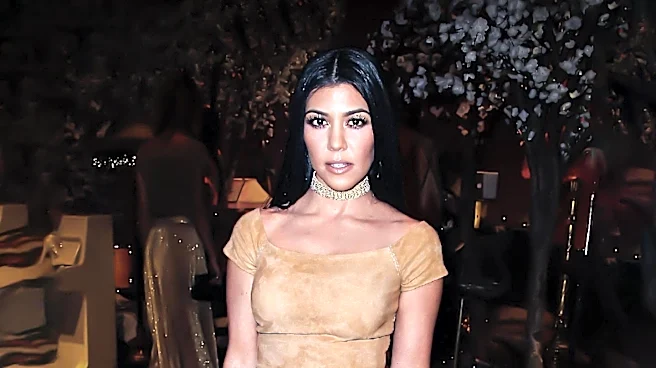
Kourtney Kardashian Barker has incorporated brain mapping into her wellness routine, as highlighted by her lifestyle platform, POOSH. The platform featured an article introducing readers to EEG brain mapping and the Brain Performance Center, where Kardashian receives
these services. Bryan Hixson, founder and director of neuroscience at the Brain Performance Center, provided insights into the approach. The discussion on POOSH explores brain health within the context of everyday well-being, aiming to introduce readers to a more individualized conversation about wellness. EEG brain mapping involves recording electrical activity in the brain using sensors on the scalp, with quantitative EEG (qEEG) organizing this data into patterns for professional review. This process helps understand brain activity, which can then inform personalized neurofeedback training.
Why It's Important?
Kourtney Kardashian's public exploration of brain mapping and neurofeedback through her POOSH platform brings significant attention to these wellness practices. Her endorsement can influence a broad audience, potentially increasing public interest and adoption of brain health technologies. This development is important for the wellness industry, as it can drive demand for services like EEG brain mapping and neurofeedback, benefiting centers like the Brain Performance Center. For individuals, it introduces a new perspective on personalized health, moving beyond traditional physical care to focus on neurological well-being. The increased visibility could also spur further research and development in brain health technologies, making them more accessible and understood by the general public. This trend signifies a growing emphasis on holistic health, where mental and neurological well-being are considered as crucial as physical fitness.
What's Next?
The increased public awareness generated by Kourtney Kardashian's involvement could lead to a surge in inquiries and appointments at brain performance centers across the U.S. Wellness platforms and health influencers may follow suit, integrating brain mapping and neurofeedback into their content and recommendations. This could prompt a broader conversation about the efficacy and accessibility of such treatments, potentially leading to more mainstream acceptance. Healthcare providers and insurance companies might begin to evaluate the long-term benefits and cost-effectiveness of these practices, possibly influencing future coverage options. Additionally, the spotlight on brain health could encourage technological advancements in EEG devices and neurofeedback programs, making them more user-friendly and integrated into daily wellness routines. The Brain Performance Center, specifically, may see an increase in clients seeking personalized brain health solutions.
Beyond the Headlines
Kourtney Kardashian's venture into brain mapping and neurofeedback highlights a deeper cultural shift towards personalized and data-driven wellness. This trend moves beyond generic health advice, emphasizing individual biological data to tailor health interventions. The ethical implications of brain data collection and privacy will likely become more prominent as these technologies gain traction. Furthermore, the integration of celebrity influence into health trends raises questions about the democratization of advanced wellness practices and the potential for unequal access. This development could also challenge traditional medical paradigms, pushing for a more preventative and holistic approach to health that incorporates neurological insights. The long-term impact could be a redefinition of 'wellness' to include cognitive and emotional optimization, driven by technological advancements and public figures.