



What's Happening?
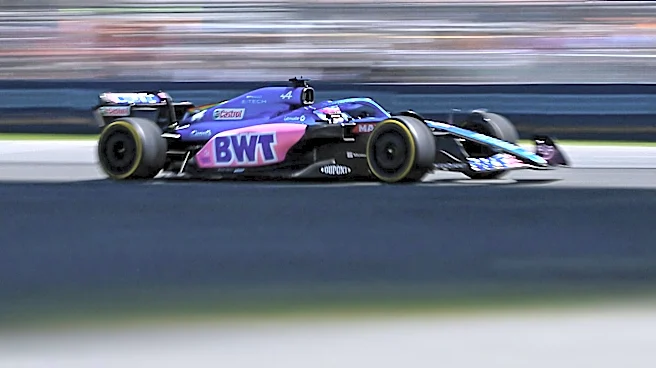
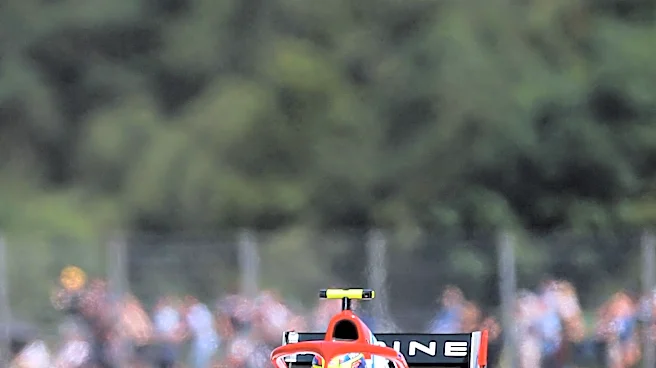
During the Mexico City Grand Prix, Alpine driver Franco Colapinto received a 10-second penalty for failing to slow down under single yellow flags. This penalty, along with a 30-second penalty issued to his teammate Pierre Gasly for ignoring double-waved
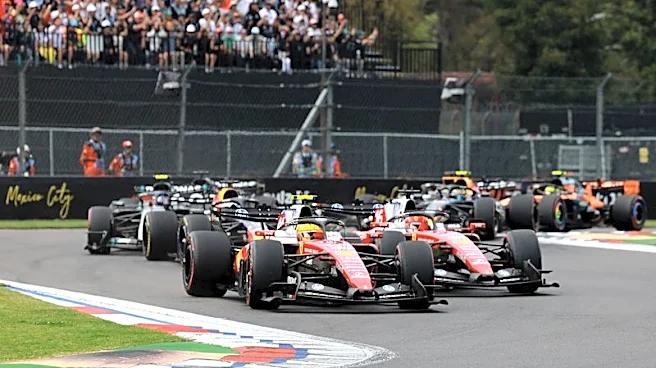
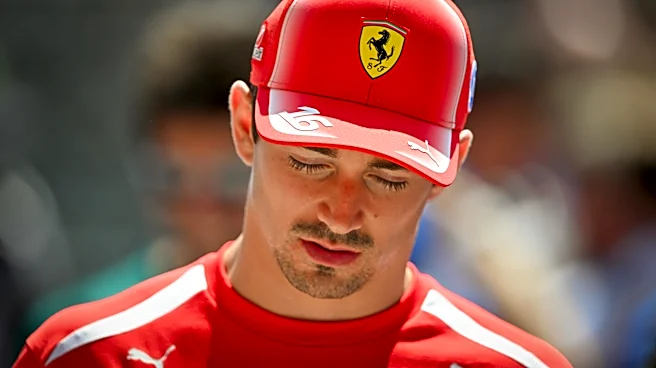
yellows, significantly impacted Alpine's performance. Both drivers were initially positioned to score points, with Colapinto in P8 and Gasly in P10. However, the penalties dropped Colapinto to P15 and Gasly to P17, moving them out of the points-scoring positions. This incident occurred in a race that also saw Mercedes' Kimi Antonelli clinch the world championship and Ferrari experience significant drama with a lost 1-2 finish due to an ambitious overtake attempt by Charles Leclerc.
Why It's Important?
The penalties imposed on Franco Colapinto and Pierre Gasly highlight the strict enforcement of safety regulations in Formula 1, particularly concerning yellow flag infringements. For Alpine, these penalties represent a missed opportunity to secure valuable championship points, which are crucial for their standing in the Constructors' Championship. In a highly competitive sport where every point matters, such incidents can have a tangible impact on a team's financial incentives and overall prestige. The outcome also underscores the fine margins in Formula 1, where driver errors or misjudgments under safety conditions can quickly negate strong on-track performances and affect team morale and strategic planning for future races.
What's Next?
Following the Mexico City Grand Prix, Alpine will likely review the incidents involving Franco Colapinto and Pierre Gasly to understand the circumstances leading to the penalties. This analysis will be critical for driver training and team strategy to avoid similar infractions in upcoming races. The team will aim to rebound in the next Grand Prix, the Gran Premio de Sao Paulo, where Colapinto has previously shown a desire for a strong qualifying performance. The focus will be on ensuring drivers adhere strictly to safety protocols, especially under yellow flag conditions, to maximize their chances of scoring points and improving their position in the Constructors' Championship.
Beyond the Headlines
The penalties in Formula 1, such as those received by Franco Colapinto, extend beyond immediate race results, influencing the broader narrative of driver discipline and team accountability. These incidents contribute to the ongoing debate about the consistency and severity of penalties, which can significantly alter race outcomes and championship standings. From a legal and ethical standpoint, the enforcement of rules like slowing under yellow flags is paramount for driver safety, yet it also places immense pressure on drivers to make split-second decisions under extreme conditions. The impact on team sponsors and fan perception also plays a role, as consistent penalties can affect a team's image and commercial appeal.