




What's Happening?
The initial character design for Sonic in the 2020 live-action film adaptation of Sega's 'Sonic the Hedgehog' franchise generated significant online backlash. The first wave of criticism emerged in December 2018 following the release of a moody teaser
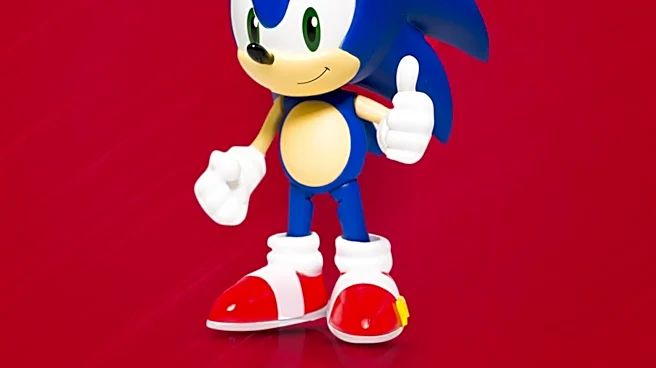
poster featuring a hyper-muscular Sonic silhouette, which fans quickly parodied. The second, more intense wave occurred in April 2019 when the first full trailer revealed a CGI Sonic with small eyes, separated fingers, and a full set of human teeth. This design was met with widespread jokes, comparisons, and expressions of horror across social media platforms like Twitter and Reddit. The negative reaction was so strong that director Jeff Fowler publicly announced on Twitter on May 3, 2019, that the character's design would be changed. This decision, an almost unprecedented reversal for a major studio production, turned the film's rollout into a notable internet spectacle of 2019. The release date was subsequently moved to Valentine's Day 2020 to accommodate the redesign, which was later debuted in a second trailer on November 12, 2019, credited to Sonic Mania Adventures animator Tyson Hesse.
Why It's Important?
This incident highlights the significant influence of fan communities and social media on major film productions, particularly those based on beloved intellectual properties. The collective outcry demonstrated the power of online engagement to directly impact creative decisions in Hollywood, forcing a studio to undertake a costly and time-consuming redesign. This event set a precedent for how studios might approach fan feedback in the future, especially for adaptations with dedicated fanbases. It also underscores the challenges of translating established animated or video game characters into live-action CGI, where subtle design choices can drastically alter audience perception. The success of the redesigned character, which was generally well-received and contributed to the film's box office performance, further validates the decision to listen to the audience. This case serves as a crucial example of how public sentiment, amplified through digital platforms, can shape the commercial and artistic trajectory of entertainment products.
What's Next?
Following the successful redesign and release of the first film, the 'Sonic the Hedgehog' franchise has continued to expand with sequels and spin-offs, indicating that the initial design controversy did not derail its long-term viability. Future adaptations of popular characters, especially those with established visual identities, are likely to undergo more rigorous fan testing or early feedback mechanisms to avoid similar backlashes. Studios may become more proactive in engaging with fan communities during the pre-production and early marketing phases to gauge reactions and make adjustments before significant investments are made. This event could also lead to a greater emphasis on character design fidelity to source material, or at least a more careful consideration of how changes might be perceived by the core audience. The success of the redesign also reinforces the idea that studios can recover from initial missteps if they are responsive to public criticism.
Beyond the Headlines
The 'Sonic the Hedgehog' design controversy delves into deeper implications regarding artistic integrity versus commercial viability and the evolving relationship between creators and their audience in the digital age. While some argue that bowing to fan pressure compromises artistic vision, others contend that for adaptations, audience satisfaction is paramount to commercial success. This incident also touches upon the 'uncanny valley' phenomenon, where CGI characters that are almost, but not quite, human-like can evoke feelings of revulsion. Sonic's original design, particularly his human-like teeth, was frequently cited as falling into this category. The rapid and widespread nature of the backlash also illustrates the 'hive mind' effect of online communities, where collective opinion can quickly coalesce and exert immense pressure. This case study will likely be referenced in discussions about audience participation, brand management, and the creative process in the entertainment industry for years to come.