






What's Happening?
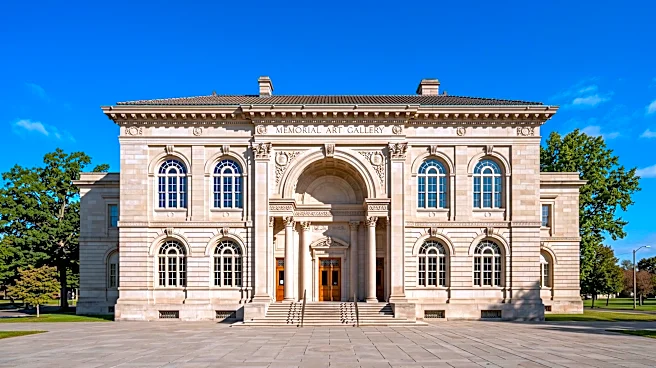
The Memorial Art Gallery (MAG) of the University of Rochester will eliminate general admission fees starting May 1, making its collection and educational programs accessible to the public free of charge. This initiative, named 'Free for All, Forever,'
aims to remove financial barriers that might prevent community members from experiencing art and cultural education. Sarah Jesse, Mary W. and Donald R. Clark Director of the Memorial Art Gallery, stated that this move returns the museum to its public-service and educational mission, creating more opportunities for Rochester residents and visitors to engage with its collection. The effort was made possible through the University of Rochester’s 'For Ever Better: The Campaign for the University of Rochester,' which has raised over $9 million for an endowment to replace admission revenue and cover increased operational costs due to higher visitor numbers.
Why It's Important?
The elimination of admission fees at the Memorial Art Gallery is a significant development for cultural accessibility and community engagement in the U.S. It addresses a common barrier that often prevents individuals and families, particularly those from lower-income backgrounds, from accessing cultural institutions. By making art freely available, MAG is fostering a more inclusive environment for education, inspiration, and community building. This initiative can lead to increased visitor diversity, broader public participation in cultural programs, and a deeper appreciation for the arts within the Rochester community. The long-term financial sustainability of this model, supported by a substantial endowment, sets a precedent for other cultural institutions seeking to enhance their public service mission while ensuring financial viability. This move reflects a growing trend among museums to prioritize community access and educational outreach.
What's Next?
Starting May 1, the Memorial Art Gallery will officially implement its free general admission policy. The museum will likely monitor visitor numbers and demographic data to assess the impact of this change on community engagement and accessibility. The endowment, which has already received significant contributions from civic leaders and foundations, will continue to be managed to ensure the long-term financial sustainability of the 'Free for All, Forever' initiative. MAG will also likely explore new programming and outreach strategies to maximize the benefits of increased accessibility, potentially collaborating with local schools and community organizations. This shift could inspire other cultural institutions in the region and across the U.S. to re-evaluate their admission policies and explore similar models for broader public access.