






What's Happening?
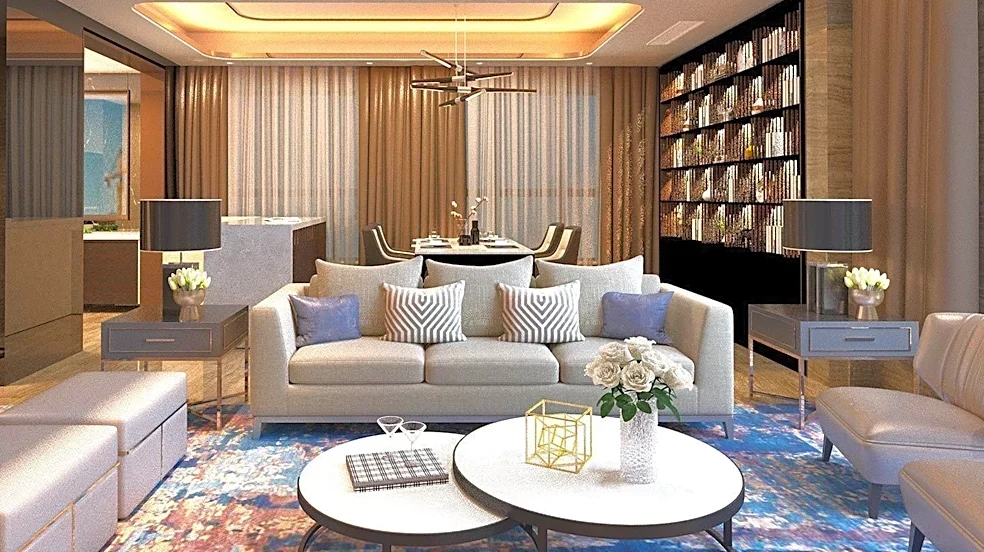
In Mumbai, India, clubhouses and other community facilities within real estate projects are legally defined as 'common areas' under the Real Estate (Regulation and Development) Act, 2016 (RERA). This means these amenities, often highlighted in sales pitches,
must be handed over to the Association of Allottees (homeowners' association) once the building is completed. The Ministry of Housing and Urban Affairs' FAQs clarify that such facilities are an integral part of the project and cannot be retained by the developer. This includes amenities like rooftop pools, gyms, party halls, and even commercial facilities provided within the project. Developers are also required to transfer all necessary documents and plans for these common areas to the association, typically within 30 days of obtaining the occupancy certificate if no local law specifies otherwise. Until the association takes over, the developer is responsible for maintaining these essential services.
Why It's Important?
This regulation is crucial for homebuyers in Mumbai as it ensures transparency and protects their rights regarding shared amenities. Previously, developers might have retained ownership or control over clubhouses, potentially leading to additional charges or disputes over maintenance and access. By mandating that these facilities become common areas owned by the association, RERA empowers homeowners with collective control and responsibility. While this means owners will inherit the costs and duties of maintaining these facilities, it prevents developers from profiting indefinitely from amenities that were part of the initial sales appeal. This clarity also impacts the financial planning for both developers and buyers, as the long-term operational costs of these 'world-class amenities' become a shared responsibility of the residents.
What's Next?
Homebuyers in Mumbai are advised to carefully review project disclosures and ask developers for written confirmation regarding the status of all advertised facilities. They should verify which amenities are listed as common areas in the promoter's declaration and ensure that the sanctioned layout plans align with what was promised. The transfer of common areas to the association is a critical next step after project completion, and buyers should be aware of the timelines and documentation involved. Any changes to promised amenities or common areas by the builder after booking require the written consent of at least two-thirds of the allottees, excluding the promoter, highlighting the collective power of homeowners in these matters.
Beyond the Headlines
The RERA provision regarding clubhouses and common areas reflects a broader shift towards greater consumer protection and accountability in the Indian real estate sector. It addresses a common point of contention where developers would use luxurious amenities to attract buyers but then either charge separately for their use or fail to transfer their ownership and maintenance responsibilities. This legal framework aims to foster trust and transparency, ensuring that the 'world-class amenities' advertised are indeed for the collective benefit and ownership of the residents. It also underscores the importance of homeowners' associations in managing and maintaining shared infrastructure, potentially leading to more engaged and empowered residential communities.