


What's Happening?
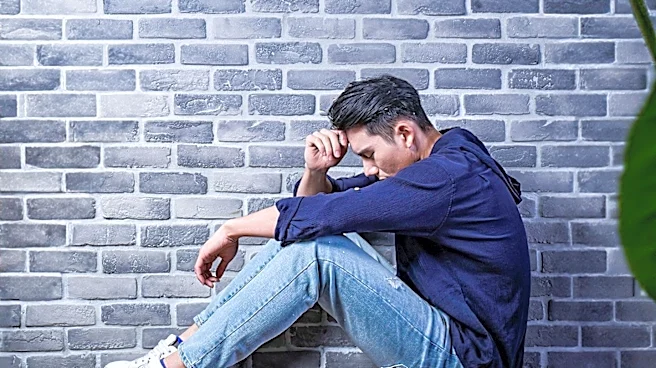
The Good Men Project features an article discussing the concept of vulnerability and self-acceptance, particularly from the perspective of a 64-year-old Third-Generation Japanese American Man. The author reflects on his upbringing, where vulnerability was
not emphasized, and how he has come to understand its importance later in life. The piece draws parallels between the physical act of entering an attack in Aikido and the emotional act of allowing oneself to be seen, both requiring a letting go of fear. It quotes O-Sensei Morihei Ueshiba, who stated, “True victory is victory over oneself,” and Mizukami Sensei, who noted, “Practice makes the unnatural natural.” The article also references director David Ayer from the High Performance Podcast, who spoke about the significance of allowing oneself to be seen to let in truth from others.
Why It's Important?
This exploration of vulnerability is important as it challenges traditional notions of masculinity, particularly within certain cultural contexts where emotional openness may be discouraged. For men, especially older generations, embracing vulnerability can be a difficult but crucial step towards greater self-awareness and healthier relationships. The article highlights that allowing oneself to be seen is not a weakness but a strength that fosters genuine connection and personal freedom. By sharing personal experiences and insights from martial arts philosophy, the piece offers a relatable framework for understanding how to confront internal fears and accept oneself. This narrative contributes to a broader societal conversation about mental health and emotional intelligence in men, encouraging a shift towards more authentic self-expression.
What's Next?
The ongoing discussion around male vulnerability, as exemplified by articles like this, suggests a continued societal push towards redefining masculinity. Future conversations may focus on practical strategies for men to cultivate vulnerability in their daily lives, whether through therapy, support groups, or personal practices like mindfulness. Media platforms and cultural institutions are likely to feature more content that normalizes emotional expression for men, moving away from stoic ideals. This could lead to increased participation in mental health initiatives and a greater willingness among men to seek help when needed. The emphasis on self-acceptance and overcoming internal fears will likely remain a central theme in discussions about male well-being.
Beyond the Headlines
The article touches upon deeper psychological and cultural implications regarding identity and self-worth. The author's journey from cringing at the idea of vulnerability to embracing it reflects a significant personal evolution that many individuals, regardless of gender or background, can relate to. The connection between martial arts principles and emotional resilience suggests a holistic approach to personal development, where physical discipline can inform mental and emotional strength. This piece subtly critiques societal pressures that often force men into emotional suppression, advocating instead for an authentic self that is comfortable with its imperfections. Ultimately, it promotes a cultural shift towards valuing emotional honesty and self-compassion as fundamental aspects of human experience, fostering a more empathetic and understanding society.