





What's Happening?
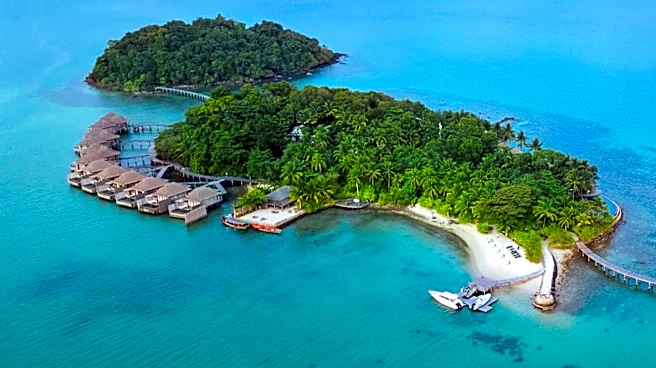
Langkawi, Malaysia, is experiencing a significant expansion in its luxury hospitality sector, with several high-end resorts either recently opened or slated for future development. The island, recognized as Southeast Asia's first UNESCO Global Geopark,
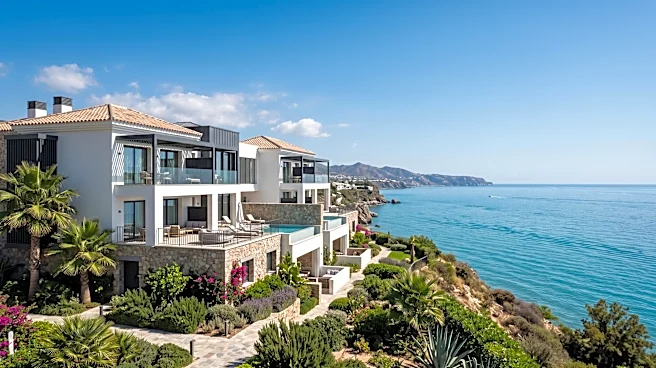
is attracting international hotel brands aiming to blend modern comforts with its natural beauty. Notable new establishments include the Hilton Burau Bay Langkawi Resort, which features 251 rooms nestled between tropical rainforest and the Andaman Sea, offering a 650-meter private beachfront and extensive wellness facilities. Additionally, The Nautilus Resort, Curio Collection by Hilton, is set to open in 2027 with 278 beachfront rooms, emphasizing a design-conscious approach inspired by Langkawi's coastal environment. These developments are part of a broader trend across Malaysia, where luxury hospitality is evolving to offer immersive nature-led dining, wellness experiences, and stronger connections to local culture, moving beyond traditional five-star accommodations.
Why It's Important?
The influx of luxury resorts in Langkawi signifies Malaysia's growing presence as a high-end tourist destination, potentially boosting its tourism economy and international appeal. This development could lead to increased foreign investment, job creation in the hospitality sector, and enhanced infrastructure on the island. For U.S. travelers, this means more diverse and luxurious options for vacations in Southeast Asia, with a focus on unique experiences that combine natural exploration with premium amenities. The emphasis on wellness, local culture, and sustainable practices in these new resorts could also set new standards for luxury travel, influencing consumer expectations and industry trends globally. However, rapid development also poses challenges, such as potential environmental impacts on Langkawi's pristine ecosystems and the need to balance tourism growth with conservation efforts.
What's Next?
The coming years will see the full realization of these new luxury properties, with The Nautilus Resort, Curio Collection by Hilton, expected to open in 2027. This will likely intensify competition within Langkawi's hospitality market, potentially driving innovation in guest services and unique offerings. Stakeholders, including local government and environmental groups, will need to monitor the long-term effects of increased tourism on the island's natural resources and cultural heritage. The success of these ventures could also encourage further investment in other Malaysian destinations, solidifying the country's position on the global luxury travel map. Future developments may focus on integrating more sustainable practices and community engagement to ensure that tourism benefits both visitors and local populations.
Beyond the Headlines
The expansion of luxury hospitality in Langkawi highlights a broader shift in the tourism industry towards experiential and sustainable travel. The design philosophies of these new resorts, which draw inspiration from local culture and natural surroundings, reflect a growing demand for authentic and immersive experiences rather than generic luxury. This trend could encourage other destinations to adopt similar approaches, prioritizing environmental stewardship and cultural preservation alongside economic development. The challenge lies in maintaining the delicate balance between catering to high-end tourism and protecting the unique ecological and cultural identity of places like Langkawi. The long-term success will depend on effective management strategies that ensure sustainable growth and equitable distribution of benefits to local communities.