
What's Happening?
Train travel is being highlighted as a superior method for experiencing landscapes, transforming the journey itself into a significant part of the travel experience. Unlike flying or driving, trains offer
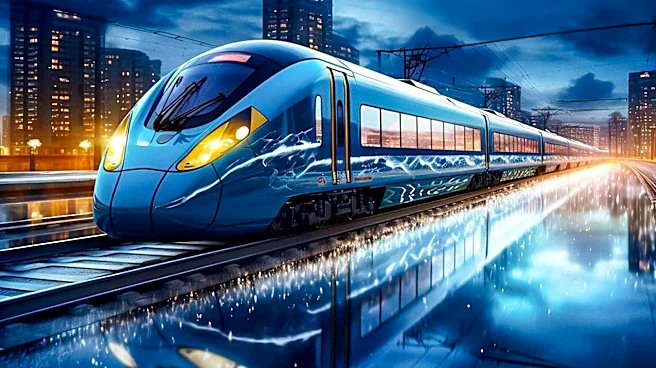
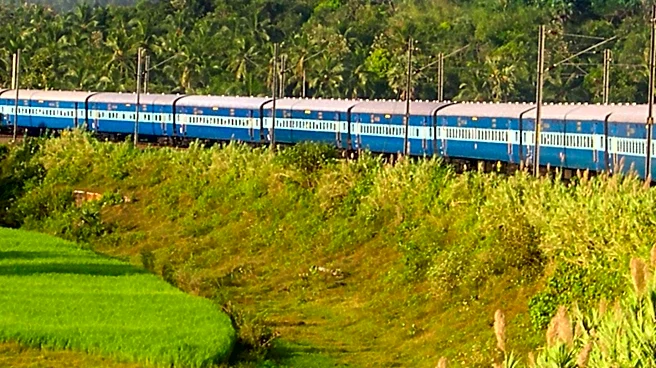
uninterrupted views, a more relaxed pace, and a deeper connection to the surrounding environment. Iconic rail routes worldwide, such as the Glacier Express in Switzerland, the West Highland Line in Scotland, and the Rocky Mountaineer in Canada, exemplify this immersive travel style. These journeys allow passengers to witness diverse scenery, from mountains and coastlines to deserts and forests, in a continuous and calm manner. The experience is often described as cinematic, providing opportunities to observe landscapes unfold gradually, fostering a sense of immersion that is often lost in faster modes of transport.
Why It's Important?
For U.S. travelers, the emphasis on train travel's benefits could influence vacation choices, potentially shifting interest towards rail-based tourism both domestically and internationally. This trend could impact the U.S. travel industry by increasing demand for scenic train routes, leading to potential investments in upgrading existing rail infrastructure or developing new tourist-focused lines. Environmentally conscious travelers might also find train travel appealing due to its lower carbon footprint compared to air travel, aligning with growing sustainability concerns. Economically, a rise in rail tourism could boost local economies along train routes, benefiting small businesses, hotels, and attractions in areas that might otherwise be overlooked by air or car travelers. This alternative travel mode offers a unique value proposition, catering to those seeking a more contemplative and visually rich journey.
What's Next?
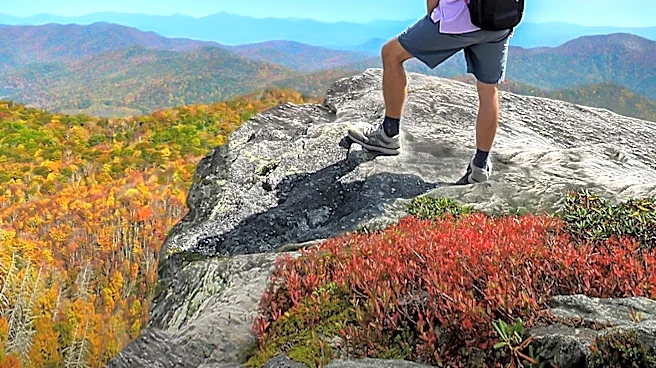
The growing appreciation for scenic train travel may lead to increased marketing and development of rail tourism packages. We might see U.S. travel companies partnering with international rail operators to offer more comprehensive train-centric itineraries. Domestically, there could be renewed interest in Amtrak's scenic routes, potentially prompting calls for improved services and expanded offerings to compete with global counterparts. Stakeholders, including tourism boards and railway companies, may invest in promoting the unique advantages of train travel, such as comfort, panoramic views, and a slower pace, to attract a broader demographic. Additionally, there could be a focus on integrating train journeys with other travel experiences, like hiking or cultural tours, to create more holistic and appealing vacation options for consumers.
Beyond the Headlines
Beyond its practical benefits, the resurgence of interest in train travel reflects a deeper societal yearning for slower, more mindful experiences in an increasingly fast-paced world. It offers a counter-narrative to the efficiency-driven ethos of modern travel, inviting individuals to savor the journey rather than merely focusing on the destination. This shift has cultural implications, potentially fostering a greater appreciation for landscapes and local communities encountered along the way, rather than just the major tourist hubs. Ethically, it promotes a more sustainable and less impactful form of tourism, aligning with global efforts to combat climate change. The romanticized image of train travel, often depicted in literature and film, also taps into a nostalgic desire for a bygone era of elegant and unhurried exploration, offering a unique blend of practicality and poetic escapism.