


What's Happening?
The National Basketball Association has officially unveiled its complete schedule for the 2026-27 season, building upon earlier partial releases that included opening week and Christmas Day matchups. This comprehensive announcement provides fans with
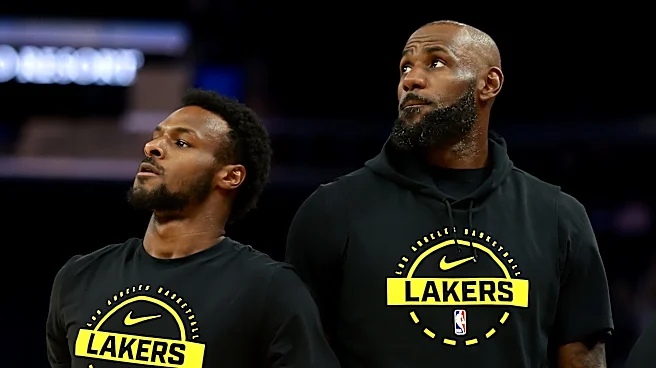
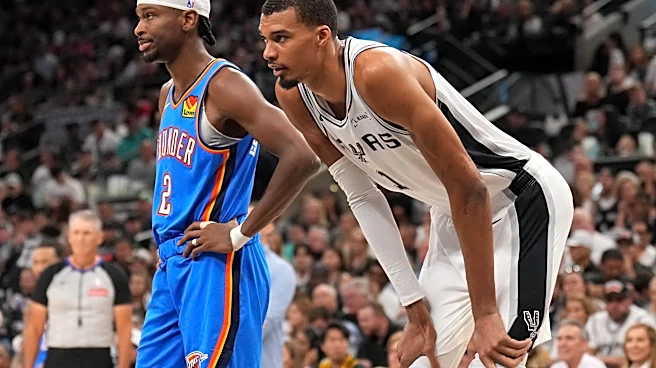
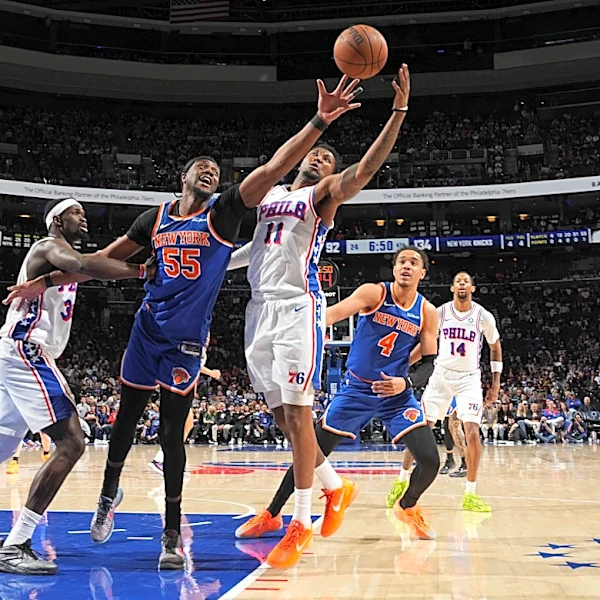
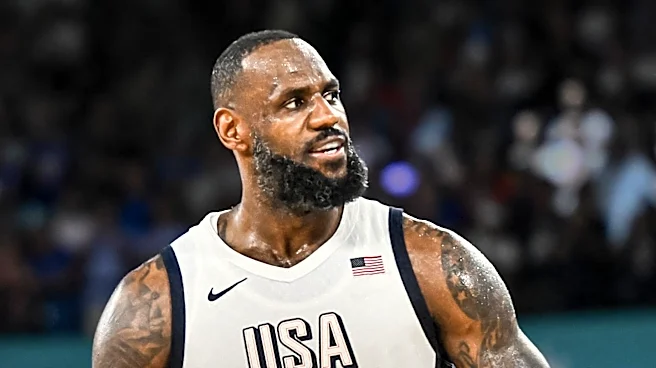
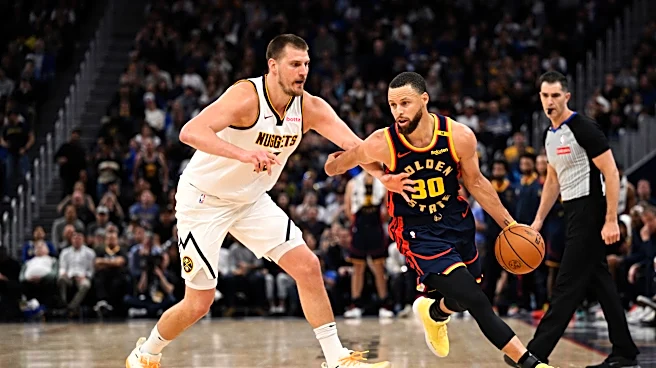
the full slate of games, allowing them to pinpoint and anticipate key dates, especially in light of several high-profile player movements during the recent offseason. Notable star players, such as Giannis Antetokounmpo, have transitioned to the Miami Heat, while LeBron James and Jaylen Brown have joined the Philadelphia 76ers, creating new team dynamics and rivalries. The schedule is punctuated by several marquee games designed to capture significant attention. Among these is the Philadelphia 76ers visiting the New York Knicks, slated as the second game of the regular season's opening triple-header. This particular contest is highly anticipated as the defending champion Knicks will raise a championship banner for the first time in 53 years, and it will offer the initial glimpse of the 76ers' offensive strategy with LeBron James integrated into the lineup. Other highlighted matchups include the San Antonio Spurs facing the Miami Heat, which promises an exciting clash between Victor Wembanyama and Giannis Antetokounmpo, and the Philadelphia 76ers playing the Los Angeles Lakers on Christmas Day, marking LeBron James's emotional return to Los Angeles to compete against his former team and his son, Bronny James.
Why It's Important?
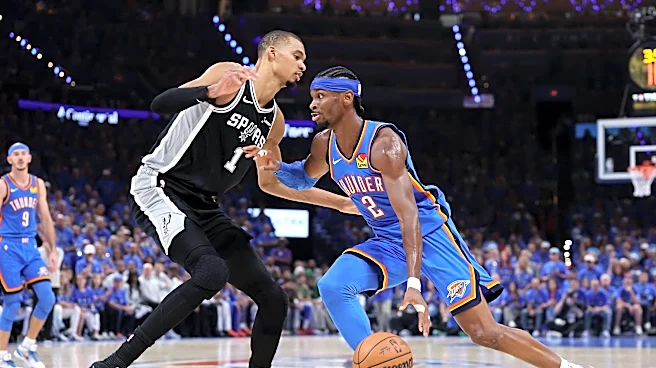
The meticulous and strategic scheduling of these high-profile games is a cornerstone of the NBA's strategy for maximizing viewership, fan engagement, and overall commercial success. By prominently featuring matchups that involve significant player movements, compelling narratives, and established rivalries, the league aims to generate peak audience interest and achieve robust broadcast ratings. The inclusion of emotionally charged games, such as LeBron James's return to Los Angeles or Jaylen Brown's first game back in Boston as an opponent, capitalizes on deep-seated fan loyalties and storylines, creating widespread media buzz. This heightened attention directly translates into increased advertising revenue for the league's broadcast partners, including NBC, Peacock, ESPN, ABC, and Amazon Prime. Furthermore, the schedule deliberately highlights emerging and intense rivalries, exemplified by the Oklahoma City Thunder versus the San Antonio Spurs, a series that previously extended to seven games in the Western Conference finals. Such matchups ensure a consistent delivery of competitive and compelling content throughout the season, which is vital for sustaining the league's popularity and expanding its global footprint in an increasingly competitive sports entertainment landscape.
What's Next?
With the complete 2026-27 NBA schedule now publicly available, teams will intensify their preparations for the upcoming season. This includes finalizing logistical details, conducting player training camps, and engaging in preseason games to hone their strategies and team chemistry. Fans, having access to the full schedule, will meticulously plan their viewing experiences, eagerly anticipating the highlighted matchups and national broadcasts. The league, in conjunction with its broadcast partners, is expected to launch comprehensive marketing and promotional campaigns. These efforts will strategically emphasize the star players, compelling storylines, and key games to generate significant excitement and build momentum leading up to the season's commencement. The initial games of the season, particularly those featuring newly formed team compositions or significant player returns, will be under intense scrutiny. Their performance will offer early indicators of team dynamics and the impact of offseason changes, while also providing crucial data on the effectiveness of the league's scheduling strategy in capturing and maintaining widespread fan interest.
Beyond the Headlines
The NBA's pronounced emphasis on individual player narratives and the cultivation of rivalries within its schedule reflects a profound shift in the modern sports landscape, where personal stories and the allure of star power frequently eclipse traditional team allegiances. The strategic movement of high-caliber players, such as LeBron James and Giannis Antetokounmpo, to new franchises instantly creates compelling storylines that extend far beyond the immediate outcomes of games, fostering a more dynamic and personality-driven league. This approach not only serves to satisfy the existing fan base but also effectively attracts new audiences who are drawn to the dramatic individual journeys and intense competitive sagas embodied by these athletes. Furthermore, the scheduling implicitly influences team-building philosophies, as franchises increasingly recognize the immense value of acquiring and retaining "superstars" not only for on-court success but also for securing coveted national television exposure and significantly enhancing their global brand presence. This dual benefit underscores the sophisticated interplay between sports performance and entertainment marketing in contemporary professional basketball.