
What's Happening?
Vail Health's Howard Head Sports Medicine is highlighting the critical role of strong hips and glutes in improving ski and snowboard performance and reducing injury risk. According to physical therapist Lindsey Duhamel, while quadriceps are often the focus
of ski conditioning, hips and glutes are essential co-stars that provide power, support, and stability. These muscles help distribute the load, control side-to-side movement, and transfer force through the lower extremity, allowing the quads to manage the demands of absorbing and controlling the body on the mountain. When hips and glutes are underdeveloped, the quads become overworked, leading to faster fatigue, poor form, and a higher risk of injury. Duhamel emphasizes that strong hips and glutes act as the main pelvic stabilizers, improving control and single-leg stability during turns and acting as shock absorbers to manage unpredictable terrain and impact.
Why It's Important?
This focus on hip and glute strength is important for U.S. winter sports enthusiasts, as it directly impacts their safety, enjoyment, and longevity in skiing and snowboarding. By prioritizing these muscle groups, individuals can significantly reduce their risk of common ski-related injuries, particularly knee injuries, which can have long-term health and financial implications. Improved performance means skiers can maintain better control, generate more power through turns, and experience less fatigue, allowing for longer and more enjoyable days on the slopes. For the winter sports industry, promoting proper conditioning can lead to a more engaged and healthier customer base, potentially increasing participation and reducing the burden on emergency medical services at ski resorts. This guidance also underscores the importance of pre-season training, shifting the perception from simply 'getting back on the slopes' to a more prepared and athletic approach to winter sports.
What's Next?
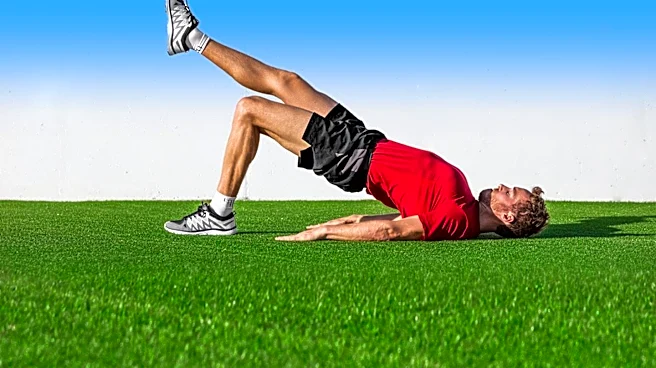
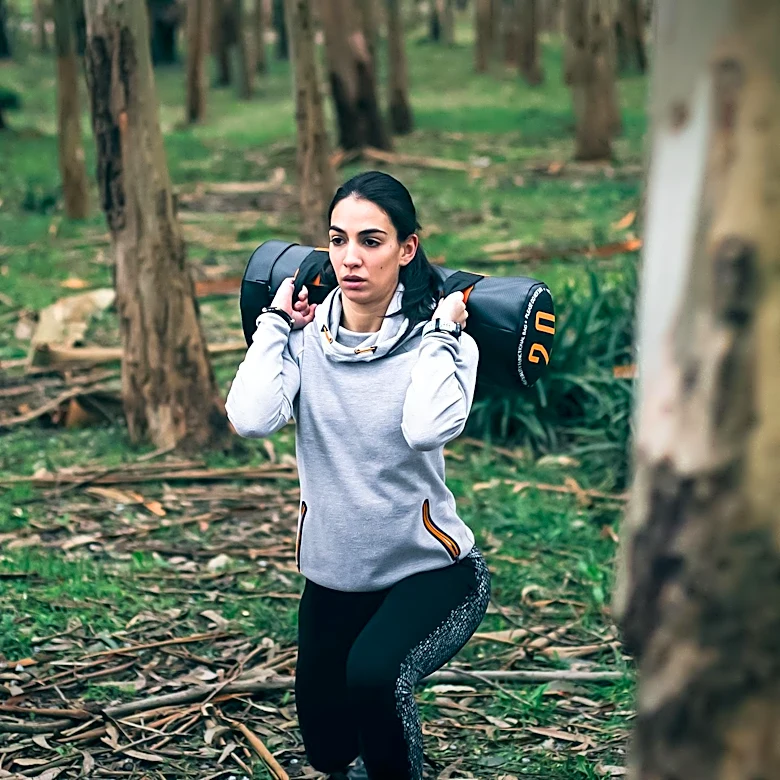
Individuals planning to ski or snowboard are encouraged to incorporate targeted hip and glute strengthening exercises into their fitness routines well before and throughout the ski season. Vail Health recommends compound lower-extremity movements such as squats, leg presses, and lunges, along with strength-focused exercises like glute extension machine work, reverse lunges, clam shells, Bulgarian split squats, and lateral band walks. These exercises can be performed with bodyweight, dumbbells, or resistance bands. The emphasis will likely continue to be on balanced strength training to ensure the body is adequately prepared for the demands of winter sports, promoting a safer and more effective experience on the snow. Ski resorts and sports medicine facilities may further integrate these recommendations into their pre-season conditioning programs and educational materials.
Beyond the Headlines
The emphasis on hip and glute strength for skiing extends beyond immediate performance and injury prevention, touching upon broader aspects of athletic longevity and overall physical well-being. This approach highlights a shift in understanding sports conditioning, moving away from isolated muscle group training towards a more holistic view of the body's interconnected systems. By strengthening foundational muscles like the glutes, individuals not only enhance their skiing but also improve balance, stability, and power in daily activities, which is particularly beneficial as people age. This proactive stance on physical preparation can foster a culture of preventative health within the athletic community, encouraging individuals to view fitness as a continuous journey rather than a seasonal endeavor. It also underscores the value of expert guidance from physical therapists in optimizing athletic performance and mitigating risks.