






What's Happening?
New research from Holafly indicates that remote workers and digital nomads frequently encounter substantial administrative challenges after arriving in a new country, contributing significantly to burnout. While obtaining a visa is often perceived as
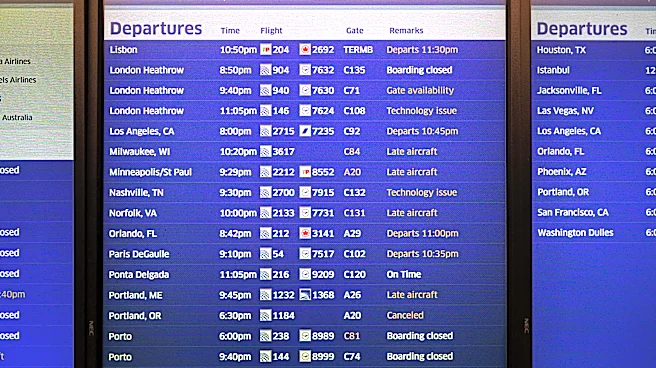
the most difficult step, the study reveals that the real struggles begin post-arrival with tasks such as opening local bank accounts, registering addresses, and navigating local tax requirements. These administrative burdens are a primary cause of burnout, with 89.1% of remote workers experiencing burnout reporting feeling overwhelmed by such tasks. This stress is not due to a lack of skill, as over 71% feel confident in their ability to handle paperwork, but rather the unexpected amount of time these tasks consume. Approximately 64.2% of travelers confirm that travel paperwork takes much more time than anticipated. Additionally, travel disruptions like delayed flights exacerbate stress levels, with burned-out travelers almost twice as likely to feel high stress from flight delays.
Why It's Important?
The administrative friction experienced by remote workers has tangible economic and personal consequences. Nearly half (46.8%) of all remote workers report losing paid work hours or income due to travel disruptions and paperwork delays. This 'friction tax' directly impacts productivity and financial stability, as a single major disruption can lead to a loss of half a day to over three days of work for about 28% of travelers. For remote professionals, these logistical problems pose a direct threat to their livelihood, unlike for tourists where such issues are minor inconveniences. The difficulty in establishing basic necessities like bank accounts without formal residency creates significant stress. Furthermore, the lack of specific digital nomad visas in some regions forces continuous short-term visa renewals, adding recurring stress every few months. This highlights a critical gap in support systems for a growing segment of the global workforce, impacting their mental well-being and economic output.
What's Next?
To mitigate digital nomad burnout, countries and service providers could focus on streamlining post-arrival administrative processes. Simplifying procedures for non-residents to open bank accounts, as some countries already do, could significantly reduce daily stress. The development and wider adoption of specific digital nomad visas that address long-term residency and work permissions would also alleviate the need for frequent visa renewals. Additionally, ensuring reliable internet connectivity is crucial, as 86.5% of burned-out travelers report severe stress from internet connection failures. Service providers and local governments have an opportunity to develop more robust support systems and clearer guidelines for remote workers to navigate local regulations, potentially through centralized online portals or dedicated assistance programs. Addressing these pain points could enhance the attractiveness of destinations for remote workers and foster a more sustainable remote work ecosystem.
Beyond the Headlines
The phenomenon of digital nomad burnout due to administrative strain points to a broader societal and economic shift. As remote work becomes more prevalent, the traditional frameworks for immigration, banking, and taxation are proving inadequate for this mobile workforce. The 'friction tax' not only impacts individual productivity but also represents a hidden cost to the global economy, as skilled professionals spend valuable time on bureaucratic hurdles rather than productive work. This situation raises questions about the ethical responsibility of host countries to adapt their systems to accommodate this new demographic, especially given the economic benefits remote workers can bring. The mental health implications, particularly the high levels of stress and anxiety reported, underscore the need for a more human-centered approach to global mobility policies. The long-term success of the digital nomad movement hinges on overcoming these systemic challenges, fostering a more integrated and less stressful experience for remote professionals worldwide.