


What's Happening?
Interior designers are pointing out several common decorating mistakes that can detract from a home's aesthetic, emphasizing the importance of personalization and thoughtful curation over generic trends. According to designers like Mariella Cruzado, founder
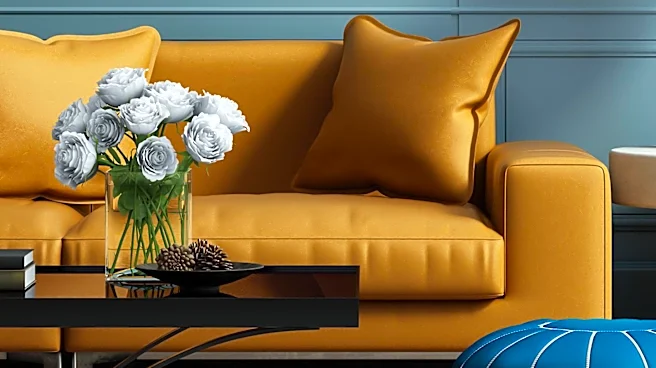
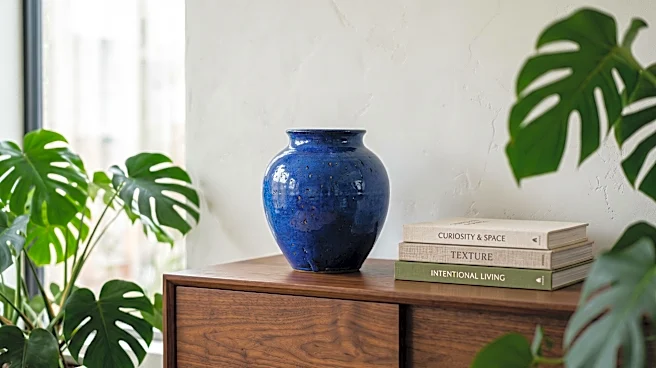
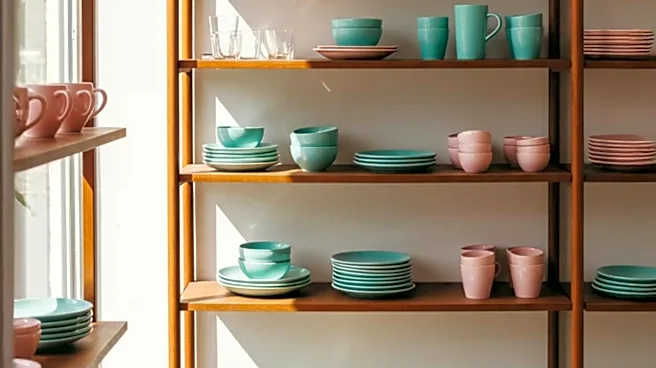
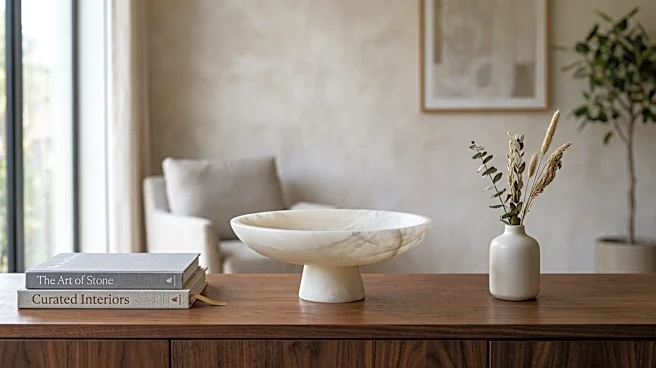
of Splendor Style, hanging too many small pieces of art creates a cluttered and unanchored look, advocating for fewer, larger focal points. Tiffany Skilling highlights the issue of 'so-so pillows' with thin fabrics and inadequate inserts, suggesting quality over quantity. Both Skilling and Pallavi Kale criticize the use of only mass-produced art and the practice of turning books backward on shelves, arguing these approaches strip a home of its personality. Kale also notes that treating every shelf with the same trendy items makes spaces look like store displays rather than personal sanctuaries.
Why It's Important?
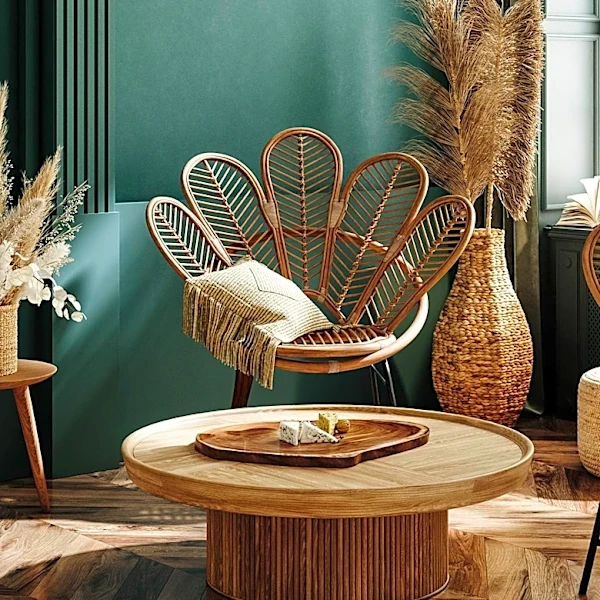
These insights from interior designers are crucial for U.S. consumers and the home decor industry, as they underscore a shift towards more authentic and personalized living spaces. For consumers, understanding these mistakes can help them avoid costly redecorating efforts and create more inviting, character-filled homes. For businesses, this feedback suggests a growing market for unique, high-quality, and customizable decor items, moving away from generic, mass-market products. Retailers and manufacturers who prioritize craftsmanship, individuality, and sustainable practices may find increased demand. The emphasis on personal items, such as pottery from travels or children's artwork, also highlights a desire for emotional connection within home environments, influencing purchasing decisions and design trends.
What's Next?
The design industry is likely to see a continued push towards bespoke and artisanal products, with a greater focus on items that tell a story or reflect personal experiences. We can expect more workshops and resources dedicated to helping individuals curate their homes with unique pieces rather than simply following trends. Designers may increasingly offer services that help clients integrate personal collections and meaningful objects into their decor. Furthermore, the market for vintage and antique items is expected to grow, as these pieces often offer the individuality and character that mass-produced goods lack. Educational content from designers will likely continue to guide consumers toward more thoughtful and personalized decorating choices, moving away from quick-fix, trend-driven solutions.
Beyond the Headlines
The critique of common decorating mistakes extends beyond mere aesthetics, touching upon deeper psychological and cultural implications. The desire for personalized spaces reflects a need for authenticity and self-expression in an increasingly standardized world. Homes are becoming sanctuaries where individuals seek to escape the uniformity of modern life and surround themselves with objects that evoke memories and emotions. This trend also has environmental benefits, as it encourages the reuse and appreciation of existing items, reducing waste associated with constantly updating decor to match fleeting trends. Ethically, it promotes a more conscious approach to consumption, valuing quality and personal significance over quantity and transient fashion, fostering a more sustainable and meaningful relationship with our living environments.