





What's Happening?
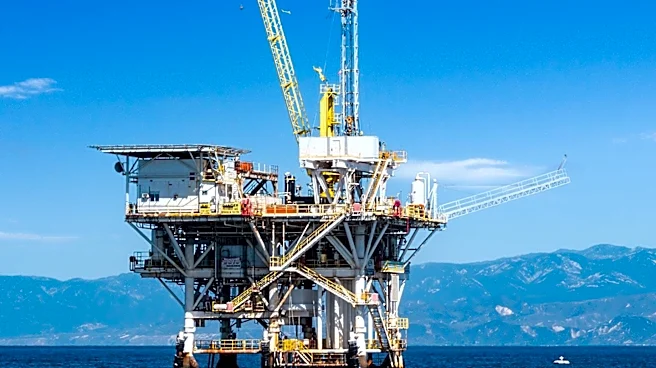
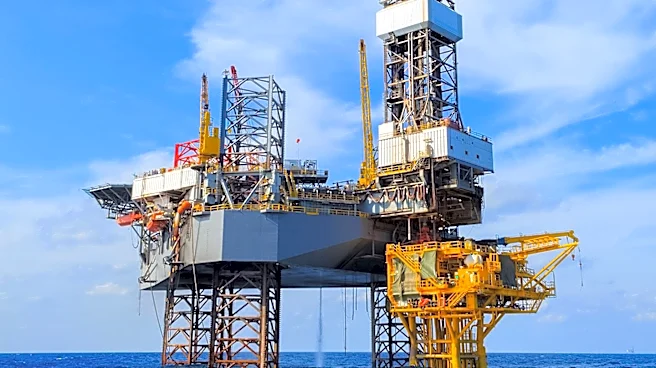
Baker Hughes, a prominent oilfield services provider, has announced expectations of a modest decline in global spending by oil and gas producers for the current year. This forecast comes despite growth in regions such as Latin America, offshore Africa,
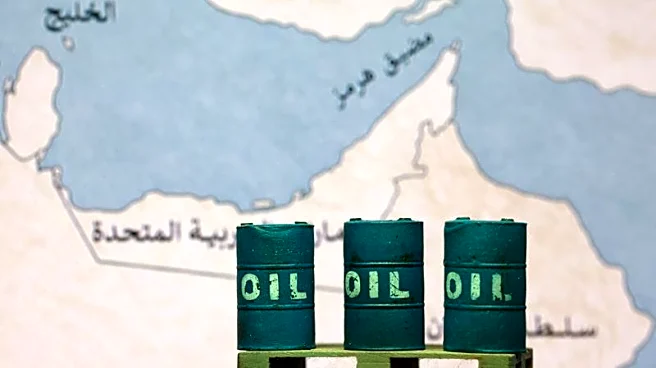
and North America, which is anticipated to be counterbalanced by reduced spending in Europe and the Middle East. The ongoing conflict in the Middle East, particularly tensions between the U.S. and Iran, has led to a cautious approach among producers, affecting drilling activities. Baker Hughes reported a significant increase in industrial and energy technology orders, which doubled year-over-year to a record $7.1 billion. However, the company anticipates a 1%-2% revenue impact on its Industrial and Energy Technology (IET) segment due to disruptions from the conflict.
Why It's Important?
The anticipated decline in global oil spending by Baker Hughes highlights the broader impact of geopolitical tensions on the energy sector. The cautious stance adopted by oil producers in response to Middle East conflicts underscores the vulnerability of global energy markets to regional instabilities. This situation could affect energy prices and supply chains, influencing economic conditions worldwide. The company's ability to offset some of the negative impacts through growth in other regions demonstrates the importance of diversification in mitigating geopolitical risks. Stakeholders in the energy industry, including investors and policymakers, will need to monitor these developments closely as they could have significant implications for energy security and economic stability.
What's Next?
Baker Hughes has forecasted third-quarter revenue for its IET segment to be between $3.17 billion and $3.47 billion, which is below analysts' expectations. The company anticipates some increase in logistics and inflationary pressures at its regional facilities during the third quarter. The ongoing conflict in the Middle East and its impact on oil spending will likely continue to be a focal point for the company and the broader energy sector. Stakeholders will be watching for any changes in geopolitical dynamics that could further influence market conditions and company performance.