

What's Happening?
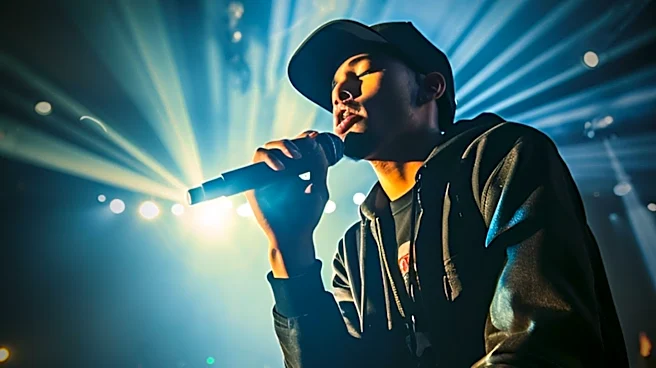
Christian hip-hop artist Hulvey canceled his sold-out concert in Amsterdam an hour before it was scheduled to begin. The cancellation occurred after Hulvey and his team discovered that the venue, to which they had been moved due to high ticket sales,
featured explicit objects and 'extremely graphic' pornographic images on its walls. Hulvey explained that the original venue booking was for a different room, and they were not informed about the explicit artwork in the new space. With a VIP meet-and-greet already underway and many young fans and families present, Hulvey requested the venue management to cover the graphic artwork. However, the venue reportedly refused, offering only to shield a side of the bar. Citing his convictions and respect for 'God’s creation,' Hulvey made the decision to cancel the show, stating he would not allow his audience, particularly children, to be exposed to such imagery.
Why It's Important?
This incident highlights the challenges artists can face when venue changes occur without full disclosure of the new environment, especially for those with strong moral or religious convictions. For Christian artists like Hulvey, maintaining alignment between their public image, message, and performance environment is crucial for their brand integrity and connection with their fanbase. The decision to cancel a sold-out show, despite the financial implications and potential disappointment of fans, underscores a prioritization of values over commercial success. This event could influence how artists and their teams vet venues, particularly when dealing with third-party bookings or last-minute changes, potentially leading to more stringent contractual clauses regarding venue suitability and content display. It also serves as a public statement on the importance of artistic and personal integrity in the entertainment industry.
What's Next?
Hulvey and his team are actively working to reschedule the event for his Amsterdam fans. Following the cancellation, numerous local churches and venues reportedly offered alternative spaces for the concert. Hulvey expressed gratitude for the support and understanding from his fans and indicated that he hopes the situation will serve as an encouragement regarding the impact of personal decisions. The artist's team will likely prioritize securing a venue that aligns with his values for any rescheduled performance. This incident may also prompt discussions within the music industry regarding venue transparency and the responsibilities of promoters and artists in ensuring appropriate environments for all audiences, especially when family-friendly events are involved.
Beyond the Headlines
The cancellation of Hulvey's concert delves into the broader intersection of artistic expression, personal conviction, and commercial realities within the entertainment industry. It raises questions about the extent to which artists should compromise their values for contractual obligations or audience expectations. Hulvey's decision, rooted in his Christian faith, exemplifies a growing trend among some artists to use their platform to uphold specific moral or ethical standards, even at a professional cost. This event could spark conversations about 'cancel culture' from a different angle, where an artist 'cancels' a performance due to a conflict with the venue's content rather than being 'canceled' by public outcry. It also highlights the diverse expectations and sensitivities of different audience segments and the need for venues to be transparent about their environment, especially when catering to a wide range of performers and their respective fan bases.