





What's Happening?
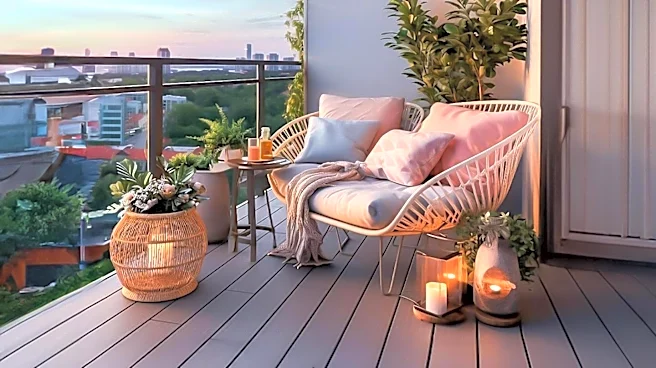
Balcony makeovers are increasingly focusing on transforming these often-underutilized outdoor spaces into functional extensions of indoor living and working areas. Innovative designs include integrating workspaces, such as desks that extend into the outdoor environment,
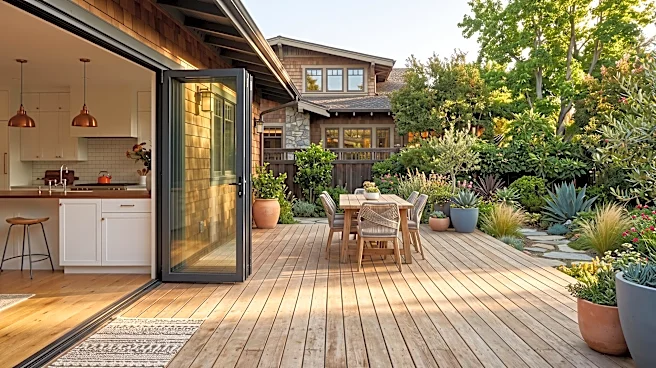
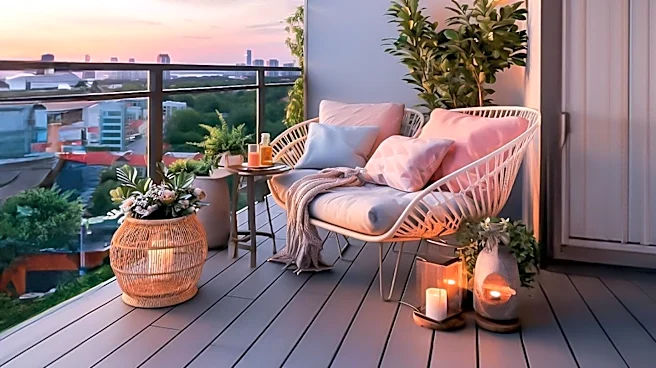
complemented by features like lounges, fire pits, and living walls for sound absorption. For narrow balconies, creative solutions like mirrored tile nooks are being used to create an illusion of greater space, often paired with built-in benches that offer additional storage. Another trend involves converting balconies into sunroom-style spaces, incorporating sloped glass roofs and skylights to maximize natural light. High-end balcony offices are also emerging, featuring wooden desks that open onto landscaped patios, complete with pergolas and fire pits. Beyond these specific examples, general enhancements include the strategic placement of planters, ambient lighting, space-saving furniture, and smart storage solutions to optimize the utility and aesthetic appeal of balconies. This shift reflects a broader trend towards rethinking balconies as versatile outdoor rooms.
Why It's Important?
This trend in balcony makeovers is significant for urban and suburban homeowners in the U.S., particularly those in compact living situations where outdoor space is at a premium. By transforming balconies into functional workspaces or extended living areas, residents can significantly enhance their quality of life and property value without the need for larger, more expensive renovations. The integration of features like sound-absorbing living walls addresses common urban challenges such as noise pollution, making these outdoor spaces more conducive for work and relaxation. Economically, these makeovers can be a cost-effective alternative to acquiring larger properties, offering a 'room outside' experience. For the real estate market, properties with well-designed and functional balconies could see increased appeal and market value. Furthermore, the emphasis on natural light and greenery aligns with growing consumer demand for biophilic design and wellness-focused living environments, impacting design and construction industries to offer more innovative solutions for small outdoor spaces.
What's Next?
The future of balcony makeovers is likely to see continued innovation in design and materials, driven by consumer demand for versatile and aesthetically pleasing outdoor spaces. We can anticipate further advancements in modular and customizable outdoor furniture, smart lighting systems, and integrated technology solutions that cater to both work and leisure activities. The adoption of sustainable materials and practices, such as drought-resistant planting for living walls and energy-efficient glazing for sunroom conversions, is also expected to grow. Architects and interior designers will likely incorporate these concepts into standard apartment and condominium designs, making functional balconies a more common feature in new constructions. Additionally, the market for DIY balcony renovation kits and services may expand, offering accessible options for homeowners looking to upgrade their outdoor areas without extensive professional intervention. Local zoning and building codes may also evolve to accommodate more flexible and innovative balcony designs, particularly in densely populated urban areas.
Beyond the Headlines
Beyond the immediate benefits of increased living space and property value, the emphasis on balcony makeovers reflects a deeper cultural shift towards valuing outdoor connectivity and flexible living environments. In an increasingly digital and indoor-centric world, these transformations offer a vital link to nature, promoting mental well-being and reducing feelings of confinement. The concept of extending a 'desk into the outdoor area' blurs the lines between work and leisure, potentially fostering a more balanced lifestyle and challenging traditional notions of office spaces. Ethically, the focus on maximizing small spaces encourages sustainable living by making the most of existing structures rather than constantly seeking larger homes. This trend also highlights a growing appreciation for thoughtful design in compact urban dwellings, demonstrating that even limited spaces can be transformed into highly functional and enjoyable areas, thereby influencing urban planning and residential development to prioritize usable outdoor spaces.