






What's Happening?
Japan is widely recognized for its high rate of lost wallets and other personal items being returned to their owners, often with all contents intact. This phenomenon is attributed to a deeply ingrained cultural emphasis on honesty, responsibility, and consideration
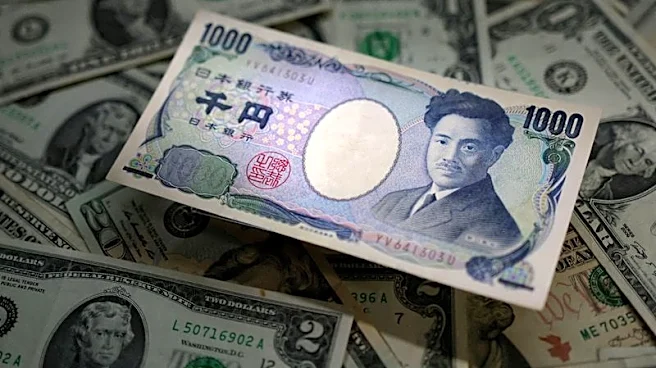
for others. Children are taught from a young age not to take what doesn't belong to them and to turn in lost items. The country also boasts an efficient lost-and-found system, prominently featuring 'koban' (police boxes) that are easily accessible and serve as central points for reporting and retrieving lost property. Many international visitors, including those from the U.S., express surprise at the frequency with which their lost belongings, even cash-filled wallets, are returned.
Why It's Important?
For U.S. citizens traveling or residing in Japan, this cultural aspect significantly enhances their sense of security and trust. It contrasts sharply with experiences in many other countries, where the expectation of retrieving lost valuables is often low. This high level of honesty can reduce stress and financial loss for visitors, contributing to a more positive overall experience. For U.S. businesses operating in Japan, understanding this cultural norm can inform their approach to customer service and internal policies regarding lost and found items. More broadly, it highlights how cultural values can directly impact daily life and public trust, offering a unique perspective on societal functioning that differs from many Western societies.
What's Next?
The cultural practice of returning lost items is expected to continue as a fundamental aspect of Japanese society. For U.S. visitors, awareness of this cultural trait can encourage them to utilize the 'koban' system if they lose something, rather than immediately assuming it's gone for good. Educational programs for international students and tourists often highlight this unique aspect of Japanese culture, preparing them for a different social environment. While crime still exists, the strong societal norms around honesty are likely to persist, reinforcing Japan's reputation as one of the safest countries in the world. This cultural trait may also continue to be a point of fascination and study for those interested in comparative sociology and cultural studies.
Beyond the Headlines
Beyond the practical benefits of retrieving lost items, this phenomenon speaks to a deeper societal fabric built on trust and collective responsibility. The prevalence of 'koban' and the public's willingness to use them for lost and found items reflect a strong civic infrastructure and a shared understanding of community welfare. This contrasts with societies where individualistic tendencies might lead to different outcomes for lost property. The story of the returned wallet, often with cash untouched, serves as a powerful symbol of Japan's unique social contract and its emphasis on harmony and respect. It offers a compelling case study for how cultural values can translate into tangible, positive outcomes for both residents and visitors, fostering a sense of collective well-being that extends beyond mere economic indicators.