



What's Happening?
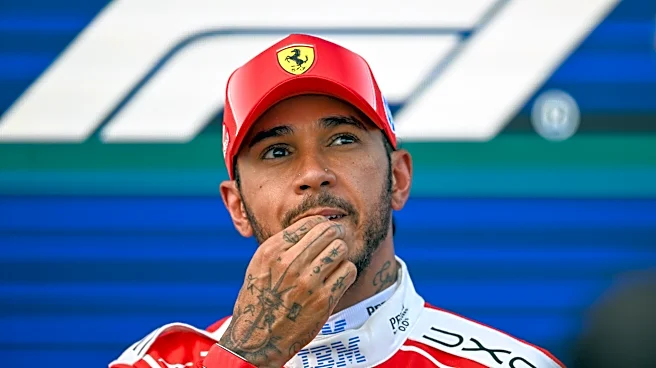
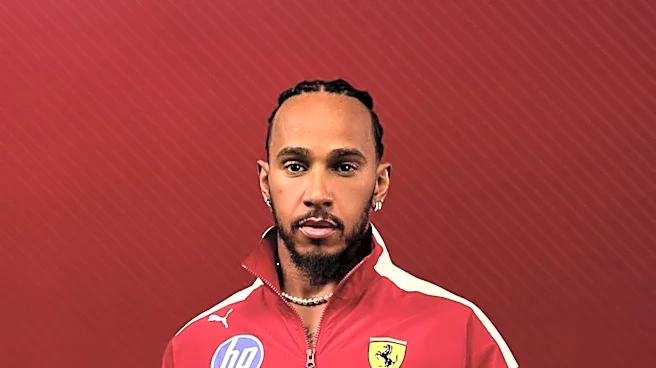
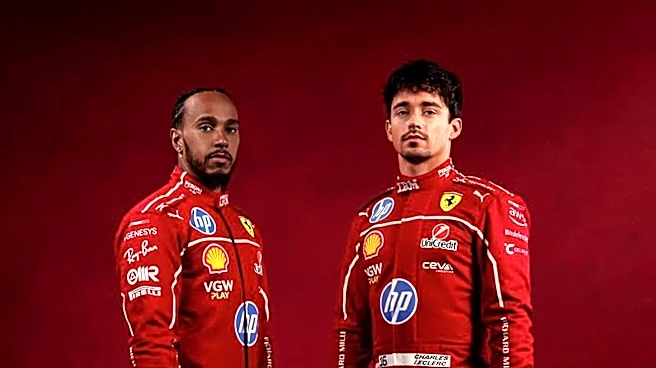
According to former Formula 1 team principal Otmar Szafnauer, Lewis Hamilton is unwilling to accept the strategic errors that Charles Leclerc has reportedly 'normalized' at Ferrari. Szafnauer suggests that Hamilton, coming from a highly successful environment
at Mercedes where strategic decisions were often correct, has a different expectation compared to Leclerc, who has spent his entire F1 career with Ferrari. This difference in perspective has led to Hamilton expressing frustration, indicating a belief that improvements can be made. The comments highlight ongoing scrutiny of Ferrari's strategic calls, which have frequently been questioned during Leclerc's tenure with the team.
Why It's Important?
This assessment from an ex-F1 team boss underscores a significant challenge for Ferrari: integrating a driver of Lewis Hamilton's caliber and experience into a team culture that, according to Szafnauer, has grown accustomed to strategic missteps. Hamilton's refusal to 'normalize' these errors could be a catalyst for much-needed change within Ferrari's operational and strategic departments. His high standards and winning mentality, honed over years of championship success with Mercedes, could push Ferrari to re-evaluate and improve its decision-making processes. Conversely, if these issues persist, it could lead to internal friction, impact team morale, and ultimately hinder Ferrari's ability to compete for championships, affecting its brand and financial performance in the highly competitive Formula 1 landscape.
What's Next?
The comments from Otmar Szafnauer suggest that Ferrari faces an imperative to address its strategic shortcomings, especially with Lewis Hamilton's arrival. The team principal, Fred Vasseur, will likely need to demonstrate tangible improvements in strategic execution to align with Hamilton's expectations and prevent further frustration. This could involve a review of personnel, processes, or technology within the strategy department. The ongoing dynamic between Hamilton and Leclerc, particularly in how they react to and influence strategic calls, will be closely watched. Future race performances and the team's ability to capitalize on opportunities will serve as key indicators of whether Ferrari can successfully adapt and overcome these 'normalized' issues.
Beyond the Headlines
The tension described by Otmar Szafnauer between Lewis Hamilton's expectations and Ferrari's 'normalized' strategic errors points to a deeper cultural challenge within established organizations. It highlights how long-standing practices, even if suboptimal, can become ingrained and accepted over time. The arrival of a highly successful external figure like Hamilton can act as a disruptive force, forcing a re-evaluation of these norms. This scenario is not unique to sports; it mirrors challenges faced by businesses and institutions when new leadership or talent demands higher standards and challenges the status quo. The outcome at Ferrari could offer insights into how organizations can either successfully integrate new perspectives to drive improvement or succumb to internal resistance, ultimately impacting their long-term competitiveness and innovation.