






What's Happening?
Bilt has launched Bilt Neighborhood OS, an AI-powered operating system and commerce network designed to help local businesses attract new customers, build loyalty, and personalize experiences within their communities. This expansion builds on Bilt's existing
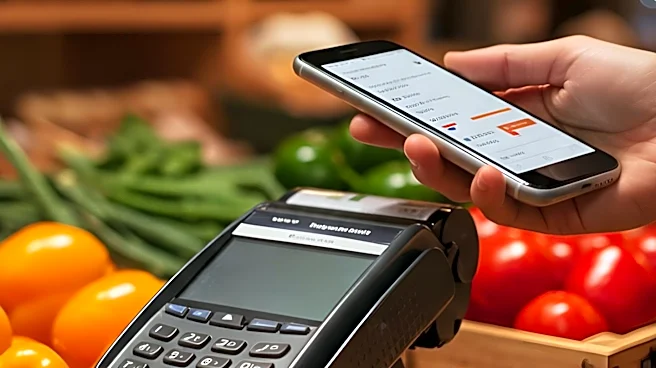
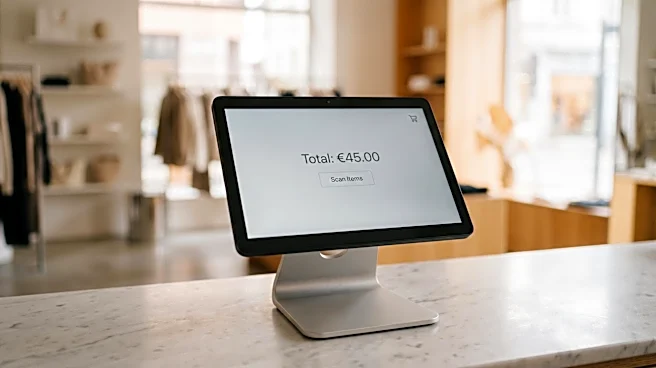
technology for housing, extending its reach to connect businesses where people spend with the communities where they live and work. The platform offers two main components: Bilt Neighborhood OS, an AI-powered commerce platform, and Bilt Membership Platform, which allows organizations to launch branded loyalty programs or extend existing ones into the neighborhood network. Bilt has partnered with major technology providers like Adyen, Verifone, Clover from Fiserv, and OpenTable to distribute Neighborhood OS, aiming to integrate with existing systems without requiring businesses to replace their current technology. The initiative also includes partnerships with professional sports teams, hospitality brands like Hyatt, and real estate partners to create connected fan and resident experiences.
Why It's Important?
Bilt's Neighborhood OS is a significant development for the U.S. economy, particularly for the $6.6 trillion annual in-person retail and food-services spending. Many local businesses still rely on disconnected systems for customer acquisition and loyalty. This platform aims to bridge that gap by providing AI-powered tools that enable businesses to reach nearby residential communities, personalize offers, and measure attributable spending. For consumers, it means more rewarding everyday experiences and opportunities to earn points at local merchants. For professional sports teams, it extends fan engagement beyond game day, rewarding participation at local establishments. The platform's ability to integrate with existing payment and POS systems makes it accessible for a wide range of businesses, fostering local commerce and strengthening community ties. This initiative could revitalize local economies by making it easier for small businesses to compete and thrive.
What's Next?
Bilt Neighborhood OS will roll out its integrations and capabilities in phases, beginning in 2027, with a focus on expanding its network of participating businesses and communities across the U.S. The company plans to partner with Meta to support small-business owners through education and resources. We can expect to see more professional sports teams, hospitality groups, and real estate partners adopting Bilt's membership platform to create branded loyalty experiences. The long-term vision is to create a 'Bilt flywheel' where more communities bring more consumers, more businesses create more opportunities to engage and reward them, and more commerce flows back into the neighborhoods. This will likely lead to a more interconnected local commerce ecosystem, driven by AI and personalized loyalty programs.
Beyond the Headlines
Bilt's Neighborhood OS represents a profound shift towards hyper-localized, AI-driven commerce and community building. By connecting disparate systems and leveraging AI, Bilt is creating an 'operating system' for physical neighborhoods, blurring the lines between online and offline interactions. This has deeper implications for urban planning and community development, as it incentivizes local spending and fosters a sense of belonging. However, it also raises questions about data privacy and the potential for algorithmic control over local economies. The platform's success will depend on its ability to empower local businesses and communities without creating new dependencies or exacerbating existing inequalities. Ultimately, Bilt's vision could reshape how people interact with their local environments, making everyday life more rewarding and interconnected, but also more digitally mediated.