


What's Happening?
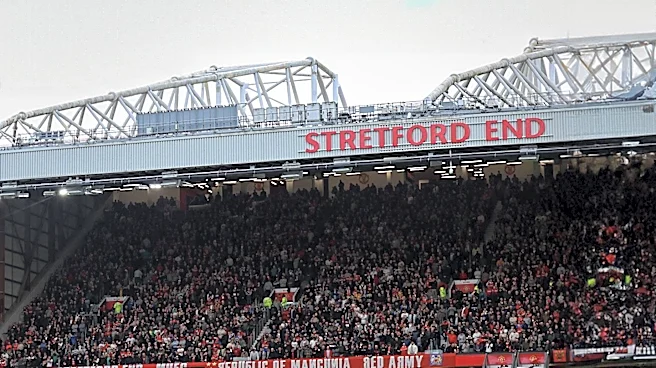
In May 2005, a group of Manchester United supporters, outraged by Malcolm Glazer's hostile takeover of their club, convened to form a new football club, FC United of Manchester. The fans were particularly incensed by Glazer's use of loans secured against
the club's assets, incurring substantial interest payments. This move followed earlier protests against the takeover, with many fans pledging not to financially support Manchester United under Glazer's ownership. The idea for a breakaway club, initially mooted by the fanzine Red Issue, aimed to create a fan-controlled entity that rejected the commercialism of modern football. After initial meetings and significant fan pledges, FC United of Manchester was officially established and joined the 10th-tier North West Counties Division Two for the 2005-06 season. The club quickly gained momentum, attracting large crowds and achieving multiple promotions in its early years, eventually building its own stadium, Broadhurst Park.
Why It's Important?
The formation of FC United of Manchester represents a significant moment in football history, showcasing fan power and resistance against the commercialization of the sport. It highlights a growing disillusionment among supporters with club ownership models that prioritize financial gain over traditional club values and fan engagement. This movement demonstrated that a substantial portion of a club's fanbase is willing to take drastic measures, including creating a new entity, to preserve what they perceive as the integrity and community spirit of football. The club's success in attracting thousands of fans and achieving on-field promotions underscored the viability of fan-owned and fan-run models, offering an alternative to the corporate structures prevalent in top-tier football. It also sparked broader conversations about ownership, debt, and the role of supporters in the governance of football clubs, influencing similar fan-led initiatives in other sports and countries.
What's Next?
FC United of Manchester continues to operate as a fan-owned club, serving as a model for supporter-led initiatives in football. While Manchester United remains under the majority ownership of the Glazer family, with ongoing fan discontent, FC United provides an enduring alternative for those who reject the current ownership structure. The club's continued participation in lower leagues and its involvement in international tournaments like the Fenix Trophy demonstrate its sustained commitment to its founding principles. The ongoing debate surrounding football club ownership, particularly in England, means that FC United's existence remains a potent symbol of fan activism. Future developments could see more clubs adopting similar fan-ownership models, or increased pressure on existing owners to engage more meaningfully with their supporter bases, inspired by the precedent set by FC United of Manchester.
Beyond the Headlines
FC United of Manchester's story delves deeper than just a football club; it's a powerful narrative about community, identity, and resistance against corporate influence in beloved institutions. The club's creation reflects a broader societal concern about the erosion of local identity and community bonds in the face of globalized commercial interests. It highlights the emotional and cultural significance that sports clubs hold for their supporters, often transcending mere entertainment. The fan-ownership model of FC United embodies democratic principles within a sporting context, challenging the traditional top-down management structures. This movement also raises ethical questions about the responsibilities of club owners to their fanbase and the wider community, suggesting that financial investment should not supersede the cultural heritage and social role of a football club. It serves as a case study for how collective action and shared values can create viable alternatives to dominant commercial paradigms.