







What's Happening?
US government agencies are advocating for the addition of Singapore-based cloud computing company Megaspeed to the Entity List. This push stems from heightened scrutiny regarding the suspected diversion of artificial intelligence (AI) chips to China.
The Pentagon, along with the State, Energy, and Treasury departments, has reportedly supported this proposed listing, following previous delays by the Commerce Department in adding new entities. This development coincides with a separate criminal investigation by the Justice Department into potential chip diversion to China, bringing US export-control compliance back into sharp focus. Nvidia Corp, a major chipmaker, has already taken action by cutting ties with Megaspeed and placing the company on its internal block list in June 2025. Reports indicate that illegal AI chip exports have significantly decreased since 2024 and early 2025, attributed to stricter oversight from US authorities and chip vendors.
Why It's Important?
This move underscores Washington's ongoing efforts to restrict China's access to advanced computing technology and maintain control over the global AI supply chain. The potential listing of Megaspeed signals a broader US strategy to enforce export controls more rigorously, impacting companies involved in the AI chip ecosystem. While Wedbush suggests the direct impact on Nvidia's revenue would be minimal due to their proactive measures, the broader implication is increased pressure on international firms to comply with US export regulations. This situation highlights the geopolitical competition surrounding technological dominance, particularly in AI, and the US government's determination to prevent its adversaries from acquiring critical technologies. The focus on cloud computing companies indicates an evolving understanding of how restricted technologies might be accessed and utilized indirectly.
What's Next?
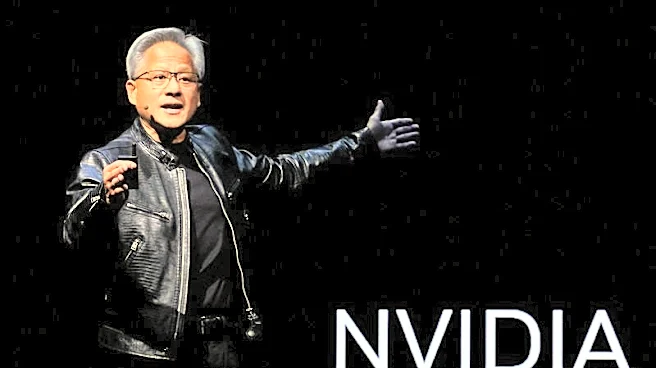
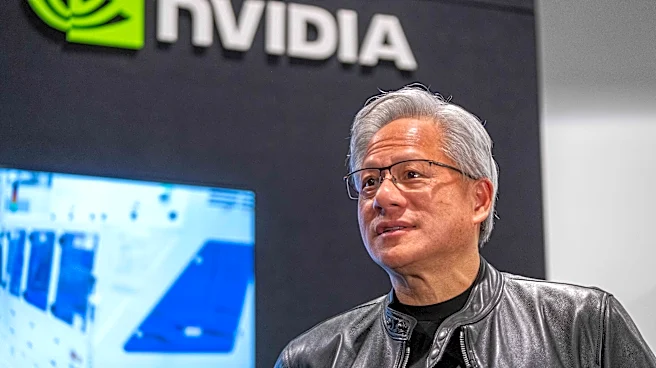
The issue of export controls and industry efforts to prevent restricted chips from reaching China is expected to be a key topic in Congress next week. Nvidia chief executive Jensen Huang is scheduled to testify on these matters, providing insights into the industry's perspective and challenges. This testimony could influence future policy decisions and enforcement actions related to semiconductor exports. The ongoing Justice Department criminal investigation also suggests potential legal repercussions for entities found to be in violation of export controls. Further actions by the Commerce Department regarding the Entity List are anticipated as the US continues to refine its strategy for managing the global AI supply chain and limiting China's technological advancements.
Beyond the Headlines
The push to add Megaspeed to the Entity List reflects a deeper strategic shift in how the US addresses technological competition. Beyond direct chip sales, the focus is now extending to services and infrastructure, such as cloud computing, that can facilitate access to advanced AI capabilities. This broadens the scope of export controls and introduces new complexities for international businesses operating in the tech sector. The situation also highlights the ethical and legal dilemmas faced by companies caught between competing national interests and the globalized nature of technology development. The increased scrutiny could lead to a more fragmented global technology landscape, where companies must navigate a complex web of regulations and geopolitical pressures, potentially impacting innovation and international collaboration in AI.