




What's Happening?
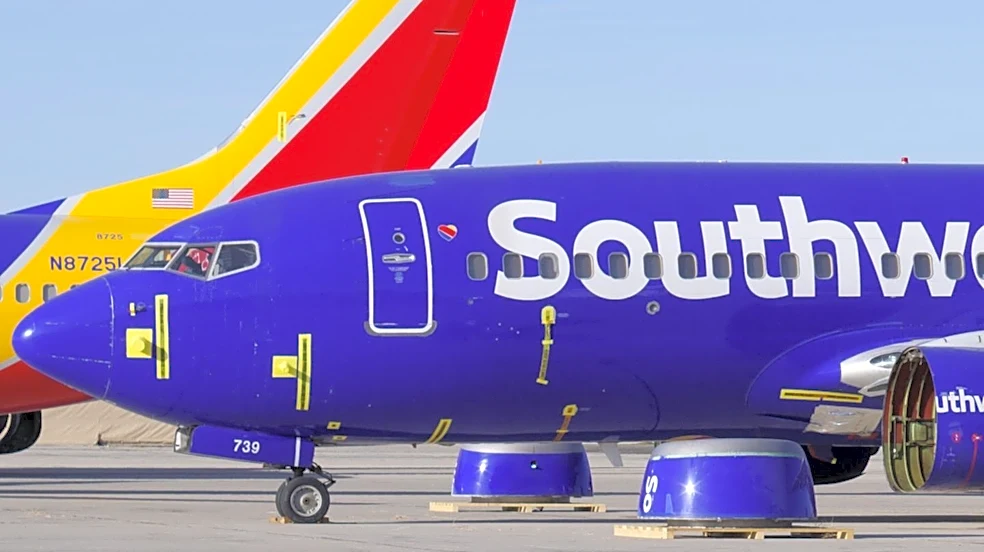
In the 2000s, Southwest Airlines, under the leadership of CEO Gary Kelly, implemented an aggressive and unconventional fuel hedging strategy. Unlike most airlines that hedged fuel for short periods, Southwest locked in fuel prices up to a decade in advance,
betting billions that oil prices would not remain at $20 a barrel. By 2008, approximately 70% of Southwest's fuel was hedged at an effective price below $50 per barrel, while competitors were paying $140. This strategy transformed Southwest's finance department into a significant profit center, generating over $3.5 billion in fuel hedging gains between 1999 and 2008. In 2007 alone, these profits reached $727 million, accounting for about 40% of the airline's net income. This allowed Southwest to maintain 64 consecutive profitable quarters, a feat unmatched by its rivals during that period. The strategy was supported by Southwest's strong balance sheet, which enabled it to post collateral for long-dated contracts, a luxury most leveraged legacy carriers could not afford.
Why It's Important?
Southwest's fuel hedging strategy had a profound impact on the U.S. airline industry. It provided the airline with a substantial competitive advantage, allowing it to offer lower fares and expand its market share while competitors struggled with soaring fuel costs. This financial engineering demonstrated that airlines could mitigate the severe impact of oil price volatility, a lesson that forced other carriers to develop their own, albeit more conservative, hedging desks. The success of Southwest's approach also influenced how Wall Street evaluates airline stocks, making fuel hedging disclosure a key metric in earnings reports. The strategy's success contributed to industry consolidation, as weaker airlines unable to match Southwest's cost advantages either failed or were acquired. This period of dominance, fueled by strategic financial bets, reshaped the competitive landscape of U.S. air travel for years to come.
What's Next?
While Southwest's aggressive hedging strategy was highly successful for a decade, the landscape has since changed. By 2009, when oil prices crashed to $40, Southwest's hedges became unprofitable, leading to a $400 million loss. Consequently, the airline scaled back its speculative positions and closed its dedicated trading desk, adopting a more conservative hedging approach in line with its peers. Today, regulatory changes post-financial crisis, higher costs for long-dated oil contracts, and thinner airline balance sheets make it impractical for any airline to replicate Southwest's past strategy. The industry has learned the importance of financial tools in managing operational risks, but the era of turning the finance department into a major profit center through aggressive fuel hedging is largely over. Airlines continue to hedge fuel, but with a more cautious and risk-averse approach.
Beyond the Headlines
The story of Southwest's fuel hedging highlights a deeper lesson about corporate culture, risk tolerance, and long-term strategic vision. Unlike its competitors, Southwest's finance team had the autonomy and trust to make long-term bets that might not yield immediate returns, a decision that would have been met with resistance or dismissal at other carriers focused on quarterly earnings. This cultural difference allowed Southwest to capitalize on market inefficiencies that others either missed or were too risk-averse to pursue. It underscores that competitive advantage can stem not just from operational efficiency or product innovation, but also from sophisticated financial management and a corporate environment that supports bold, calculated risks. The legacy of this strategy is not just in the billions earned, but in demonstrating the power of strategic financial engineering to fundamentally alter an industry's competitive dynamics.