





What's Happening?
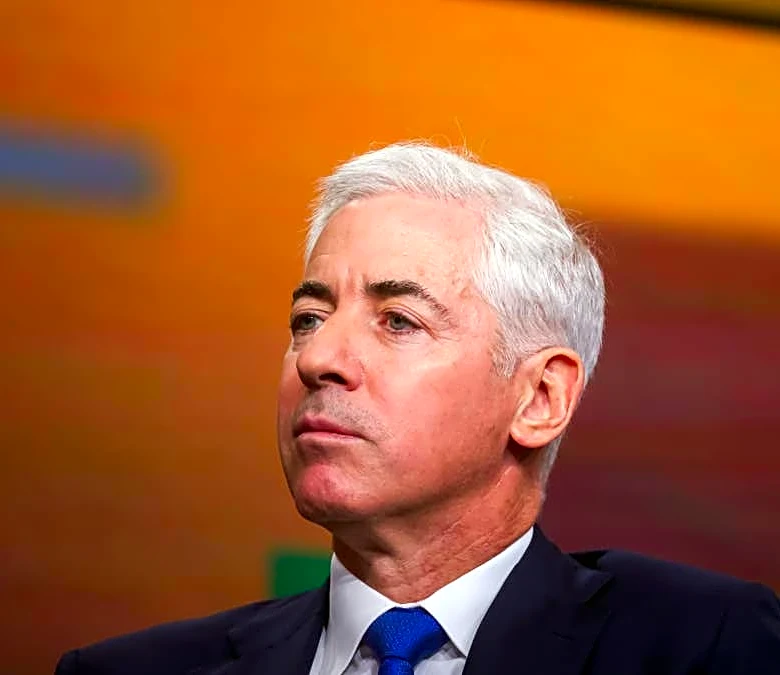
Michael Burry, known for his Substack disclosures, has reportedly increased his position in MercadoLibre (NASDAQ:MELI) after the stock experienced a 14% decline this year. Burry initially bought into the Latin American e-commerce giant when its stock fell
on earnings, purchasing shares in the $1,600 range. This move aligns with a broader trend among elite hedge funds, as Insider Monkey's database indicates an increase in hedge fund investors in MercadoLibre, rising from 102 in the first quarter to 107 by the end of the second quarter. Notable funds, including Boykin Curry's Eagle Capital Management, Philip Uhde's Linonia Partnership, and David Blood and Al Gore's Generation Investment Management, have also significantly raised their stakes in the company. Despite a fall in operating income by 17% and net income by 11% in the second quarter due to heavy spending on shipping, credit cards, and user acquisition, these investors appear to be betting on the company's long-term growth strategy. Analysts anticipate this spending to yield results, forecasting an earnings growth of approximately 29% annually.
Why It's Important?
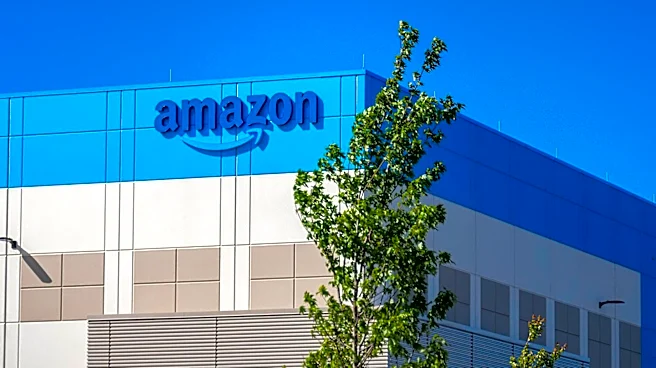
The increased investment by prominent hedge funds and figures like Michael Burry in MercadoLibre signals a potential belief in the company's underlying value and future growth, despite recent financial setbacks. This trend suggests that sophisticated investors view the current stock dip as a buying opportunity, anticipating that MercadoLibre's strategic spending will eventually translate into higher profitability. For the U.S. investment community, this highlights a focus on long-term potential in emerging markets, particularly in Latin America's burgeoning e-commerce sector. The company's valuation, currently at 45.12 times forward earnings against a sector median of 14.61, is considered a premium, but also a significant discount to its own five-year average. The success or failure of MercadoLibre's strategy to defend its market share against competitors like Amazon and Sea's Shopee in Brazil, which accounts for over half of its revenue, could influence investment strategies in similar growth-oriented companies facing intense competition and high operational costs. The next few quarters of earnings will be crucial in validating these investment decisions.
What's Next?
The immediate focus for MercadoLibre will be on its upcoming quarterly earnings reports, which will serve as a key test for the company's valuation and the effectiveness of its spending strategy. Analysts' forecasts of 29% annual earnings growth suggest an expectation that the heavy investments in infrastructure, logistics, and user acquisition will begin to pay off, leading to improved profitability. Should these forecasts materialize, the stock could see a rebound, validating the confidence shown by investors like Michael Burry and the hedge funds. Conversely, if earnings continue to lag despite increased revenue, the stock's premium valuation could come under further pressure. The company will also need to demonstrate its ability to effectively counter the expansion of major competitors in its core markets. Investors will be closely watching for signs that MercadoLibre's spending is strengthening its 'moat' in Latin America, rather than simply eroding its margins. The performance in the coming quarters will likely dictate whether the current dip is indeed a temporary setback or indicative of more fundamental challenges.
Beyond the Headlines
The investment narrative surrounding MercadoLibre extends beyond immediate financial metrics, touching upon the broader dynamics of global e-commerce and the strategic importance of market dominance in rapidly developing regions. The company's aggressive spending, while impacting short-term profits, reflects a common strategy in high-growth sectors: prioritizing market share and ecosystem development over immediate profitability. This approach, often seen in tech giants, aims to create a sustainable competitive advantage by building robust logistics, payment systems, and customer loyalty. The challenge lies in balancing this long-term vision with investor expectations for financial returns. Furthermore, the competition from global players like Amazon underscores the increasing globalization of e-commerce and the need for regional leaders to innovate continuously. The success of MercadoLibre's strategy could serve as a case study for other companies operating in competitive emerging markets, illustrating the delicate balance between aggressive expansion and financial prudence. The ethical implications of such intense competition, particularly concerning labor practices and market concentration, could also become more prominent as these companies grow.