








What's Happening?
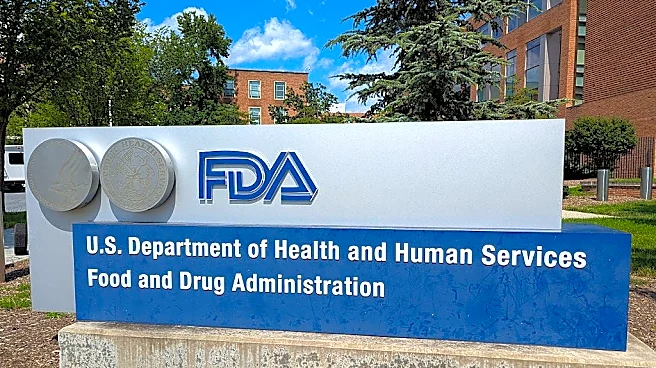
The U.S. Food and Drug Administration (FDA) has implemented its Quality Management System Regulation (QMSR), effective February 2, 2026. This regulation amends the device current good manufacturing practice requirements in 21 CFR Part 820 and incorporates
ISO 13485:2016 by reference, along with terms and definitions from ISO 9000:2015. The QMSR clarifies the definition of a 'manufacturer' to include any person who designs, manufactures, fabricates, assembles, or processes a finished device, explicitly naming functions like contract sterilization, installation, relabeling, remanufacturing, repacking, or specification development. This means that parties performing these functions are considered manufacturers under FDA rules. The regulation applies to manufacturers of finished devices intended for commercial distribution, while manufacturers of components or parts of finished devices are not directly subject to the QMSR, though the FDA retains legal authority to inspect them.
Why It's Important?
This regulatory update significantly impacts the medical device industry in the U.S., particularly for companies involved in contract manufacturing. By broadening the definition of 'manufacturer,' the FDA ensures that all entities contributing to the production of a finished medical device are held to quality management standards. This change aims to enhance patient safety and product quality by extending regulatory oversight across the entire supply chain. Device owners must now ensure their contract manufacturers comply with QMSR requirements, often through quality agreements. The distinction between 'components' and 'finished devices' is crucial, as accessories are treated as finished devices and are subject to the QMSR, unlike raw materials or parts. This clarity helps prevent common mistakes in compliance and ensures a more robust quality system throughout the manufacturing process.
What's Next?
Medical device companies and their contract manufacturing partners must ensure their quality management systems are fully compliant with the new QMSR by the effective date. This involves reviewing and updating existing quality agreements, internal procedures, and supplier assessment processes to align with the incorporated ISO 13485:2016 standard. Manufacturers of finished devices will need to conduct ongoing risk-informed assessments of their suppliers to ensure the provision of quality products or services. While component manufacturers are not directly subject to the QMSR, they are encouraged to consider its provisions, and device owners may contractually require them to adhere to QMSR-style controls. The FDA will continue to enforce these regulations, with potential inspections and audits to ensure compliance across the industry.
Beyond the Headlines
The QMSR's integration of ISO 13485:2016 signifies a move towards global harmonization in medical device quality management, potentially easing international trade and regulatory navigation for U.S. manufacturers. However, it also places a greater burden on companies to understand and implement complex international standards. The explicit inclusion of functions like contract sterilization and relabeling within the definition of a manufacturer underscores the FDA's commitment to a holistic view of product quality, recognizing that various stages of production can impact the final device's safety and effectiveness. This could lead to increased scrutiny of third-party service providers and a demand for higher quality standards across the entire medical device ecosystem, ultimately benefiting patients through more reliable and safer medical products.